


 Shkruar nga Cahal Milmo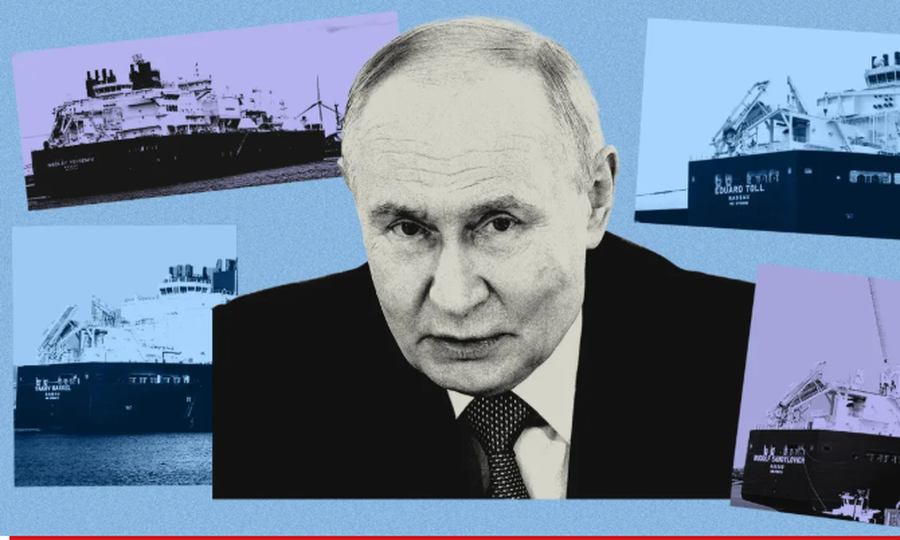
The UK government has been accused of "opening the door for Russia to finance its war economy" by delaying the implementation of sanctions aimed at blocking the Kremlin's oil and gas revenues...
British companies are helping Vladimir Putin rake in over £700m a month to fund his war by facilitating Russian gas shipments to Europe and Asia, an investigation by The i Paper has revealed.
Last month, British ministers introduced measures aimed at cracking down on this trade, banning UK companies from providing vital services - such as the use of icebreaking tankers and maritime security - for Russian liquefied natural gas (LNG) exports.
The aim was to stop funding Putin’s war machine. But a legal exemption that will run until January next year allows British support for shipments from Russia’s two largest LNG production hubs - Yamal LNG and Sakhalin-2.
The move will allow the Kremlin to profit billions of pounds from fossil fuel exports in the coming months, campaigners and politicians warn.
As the UK grapples with its own fuel supply problems caused by the Iran war, officials and industry experts accuse the government of “opening the door to Russia’s war economy” in a bid to avert an energy crisis in Europe.
Ships owned or supplied by British companies are estimated to have facilitated 76 per cent of Russia’s liquefied natural gas (LNG) exports since the start of the invasion of Ukraine in 2022.
Data obtained by The i Paper suggests that Britain’s participation in Russian shipments will bring Moscow around £714m a month for the next seven months. The trade remains perfectly legal until the exemption expires.
The UK government defended itself, saying the sanctions were being gradually imposed to protect Britain’s own supply chains and “provide flexibility in the market while increasing pressure on Russia”.
A £5 billion “legal path” for Russia
Russia is estimated to have earned around £931bn – more than the annual GDP of Switzerland – since the start of its invasion of Ukraine from the sale of oil and gas. Fossil fuels are the Kremlin’s main source of revenue, which Britain and its allies have repeatedly vowed to block.
Defence sources said this “legal route” to trade was at odds with the UK’s own defence budget – which led to the resignation of the Defence Secretary, John Healey, last week.
In his resignation letter, the former secretary noted that Prime Minister Sir Keir Starmer had accepted intelligence assessments that Russia could attack NATO around 2030, and that Britain should be prepared to deal with this threat.
A British official said: “The irony is immense. The UK has put itself in a position where it is opening the door for Russia to fund its war through LNG sales, while failing to adequately fund our defence.”
While Ross Greer, co-leader of the Scottish Greens, said: “We are directly allowing Russia to make colossal amounts of money from this trade, money that goes towards a whole war economy…”
The icebreaker fleet is managed by Scotland.
The investigation found that British companies providing these services include a Glasgow-based shipping company owned by a billionaire who is a neighbor of Donald Trump. That firm oversees a fleet of icebreaking LNG tankers.
Also involved in the scheme are several specialist marine insurers based in London and Newcastle. Much of the gas - worth around £1.4bn over the next seven months - is expected to be transported to European ports by tankers operated by Seapeak Maritime (Glasgow) Ltd.
The company manages a fleet of six icebreaking vessels serving the Yamal LNG plant in Siberia. The company is based in an industrial estate near the River Clyde. Its activities are entirely legal, but campaigners say the government's exemptions are putting commercial interests above morality.
Razom We Stand, a Ukrainian group, notes that this period of exclusion coincides with the extraordinary profits Russia has made in recent weeks due to the closure of the Strait of Hormuz. The Center for Energy Research (CREA) found that Russia saw a 52 percent increase in oil and gas revenues in the first month of the Iran war alone.
Razom We Stand’s executive director, Svitlana Romanko, said Britain “cannot claim to be leading the sanctions” while allowing this trade. Isaac Levi of CREA added: “The UK must immediately close the legal avenues that allow companies like Seapeak to profit.”
"Pact with the Devil"
Burime nga industria e transportit detar deklaruan se kufizimi i fitimeve të Rusisë duhet të balancohet me “realitetin e pakëndshëm“: Evropa ka ende nevojë për lëndët djegëse të Moskës.
Edhe pse BE-ja ka reduktuar varësinë, vitin e kaluar ajo varej nga Moska për rreth treçerekun e nevojave të saj, ndërsa fabrika Sakhalin-2 furnizon vende si Japonia dhe Koreja e Jugut.
Një drejtues i lartë i transportit të energjisë u shpreh: “Ky është pakti me djallin që duhet bërë nëse duam të mbajmë dritat ndezur dhe ngrohjen në punë“. Kompania Seapeak në Glasgow menaxhon gjashtë anije akullthyes të teknologjisë Arc-7, me vlerë 235 milionë paund secila.
Këto anije transportojnë gazin nga Siberia në Evropë. Sipas analizës së CREA-s, akullthyeset e Seapeak kanë transportuar rreth 13 miliardë paund LNG rus që nga fillimi i pushtimit e deri në prill të vitit të kaluar.
Operacioni në Skoci është pjesë e një strukture që shtrihet në Vancouver të Kanadasë, ku ndodhet Seapeak LLC. Sipas të dhënave, Seapeak LLC gjeneroi 195 milionë paund të ardhura nga dërgesat ruse në vitin 2025.
Seapeak dhe fqinji miliarder i Trump-it
Kompanitë Seapeak janë në pronësi të Stonepeak, një firmë gjigante e fondeve private në SHBA, që menaxhon asete prej 90 miliardë dollarësh. Ajo drejtohet nga Michael Dorrell, një australian me banim në Nju Jork, pasuria e të cilit vlerësohet rreth 6.5 miliardë paund.
Në vitin 2024, Dorrell shpenzoi 150 milionë dollarë për të blerë të vetmin ishull privat në Palm Beach, Florida - pranë klubit luksoz Mar-a-Lago të Donald Trump-it. Në një intervistë, Dorrell tha se mund ta shihte pronën e Trump-it nga rezidenca e tij dhe se e viziton atë “gjithë kohës“.
Seapeak nuk iu përgjigj pyetjeve të gazetarëve, por deklaroi në raportin e saj se mbetet e fokusuar te shpërndarja e energjisë në mënyrë të përgjegjshme.
Liderët globalë të sigurimeve detare
Mbretëria e Bashkuar është gjithashtu siguruesi më i madh në botë i anijeve ruse të LNG-së. Më shumë se tre të katërtat e anijeve që kanë transportuar gaz rus që nga fillimi i luftës janë siguruar nga kompani britanike, duke mbuluar dërgesat me vlerë 38 miliardë paund.
Pesë ofrues sigurimesh jofitimprurëse, të njohur si klubet P&I, janë identifikuar si sigurues të këtyre eksporteve, përfshirë NorthStandard dhe The West of England P&I Club. Klubet e sigurimeve theksuan se aktiviteti i tyre është plotësisht i autorizuar nga autoritetet britanike.
Ata shtuan se ofrimi i sigurimit është kritik për mbrojtjen e mjedisit detar nga aksidentet, diçka që nuk ekziston për “flotën hije“ të Rusisë, dhe se nuk kanë asnjë motiv financiar në këtë mes.
Ndërkohë, qeveria britanike deklaroi se ka zbatuar një sërë sanksionesh dhe së fundmi njoftoi masa të reja që synojnë rrjetet financiare dhe anijet që dyshohet se transportojnë naftë dhe gaz në mënyrë të paligjshme./Pamfleti nga “The i Paper”





Lini një Përgjigje