


 Shkruar nga Diplomatico | Pamfleti.net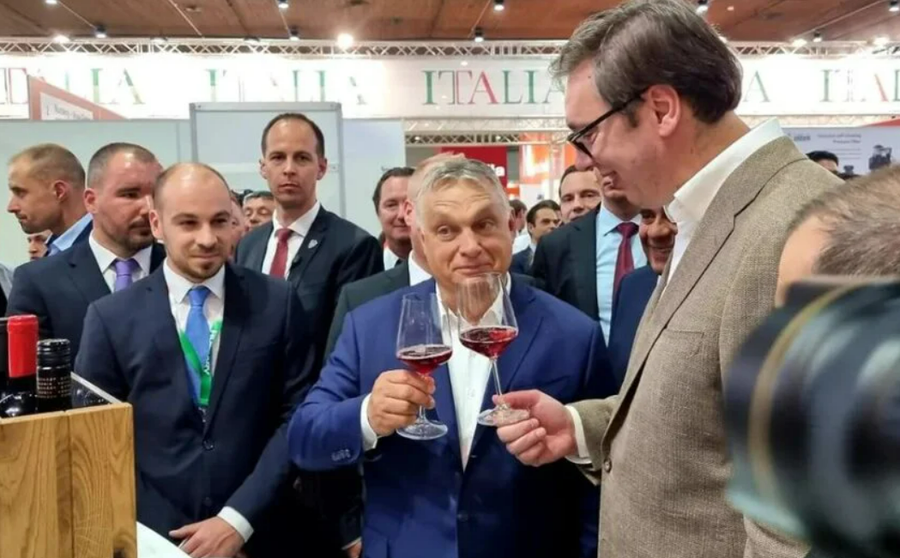
The Budapest meeting puts Vučić in a delicate position between East and West; while Russia, the US and Orbán play geopolitical chess, Serbia tries to sell the crisis as a victory...
Diplomatic and media sources have confirmed: Viktor Orbán is preparing an informal meeting between Donald Trump and Vladimir Putin in Budapest. Against the backdrop of this informal summit that is not recognized by any international structure, Serbian President Aleksandar Vučić is also moving, skillfully playing all sides of the table.
Vučić is not just there as a spectator, but as a potential beneficiary. According to the analysis published by the prestigious Serbian newspaper “Danas”, Vučić aims to use his closeness to Orbán and indirect ties to Trump to achieve several key objectives: to lift sanctions on the Gazprom-controlled NIS company; to carry out the ownership transfer to the Hungarian company MOL; and to position himself as a peacemaker at a time when Serbia is suffering from internal tensions and diplomatic isolation.
Vučić's participation in this Trump–Putin–Orbán triangle is not naive. He aims to reconfigure Serbia's international relations, without abandoning either Russia or the West. This attempt to come out "unscathed" on both sides translates into a double diplomacy, which has been a constant characteristic of his regime.
The calculations are clear: if Trump returns to power, Vučić wants to have an open door in Washington. At the same time, by maintaining the connection with Putin and channeling it through an increasingly authoritarian and Eurosceptic Orbán, Vučić positions himself as a “trusted” negotiator on both fronts.
But this position is dangerous. The EU views with suspicion any further rapprochement of Serbia with Russia. In Brussels, Vučić is on the verge of losing credibility, especially after the failure to implement the Ohrid agreement with Kosovo and the ongoing tensions in the north. The US has not forgotten Belgrade's energy and military ties with Moscow. And any further rapprochement with Putin puts Serbia on a collision course with the West.
On the other hand, Russia is eager for any new channel of influence in Southeast Europe. For Moscow, a Serbia that serves as a diplomatic transmitter is of great value. But Putin does not give anything without getting something in return, and this “something” could be a deeper engagement by Belgrade against sanctions, to the detriment of Serbia’s European integration.
The Budapest meeting is not just a photo for Orbán's archive. It is a clear signal that a new axis is being configured: conservative, authoritarian and pro-Russian, in the heart of Europe. Vučić is not the organizer of this front – but he is an active part of it, hoping to benefit before it explodes.
For Albania and the region, this development is alarming. A Serbia anchored deeper in the anti-Western axis is a threat to stability, to Euro-Atlantic processes and to the balance in the Balkans. Albania must increase diplomatic vigilance and strengthen coordination with the US and the EU to prevent the Balkans from becoming a springboard for Kremlin interests.
The Budapest Triangle is not a theater; it is living politics. And Aleksandar Vučić is no longer a spectator. He is an actor who plays for himself, but on the stage of others./ Pamphlet
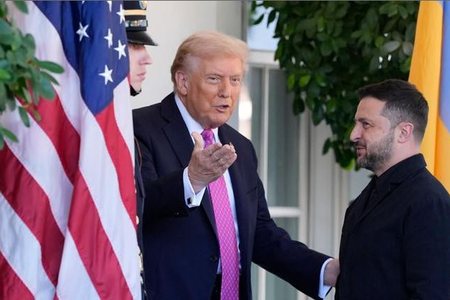
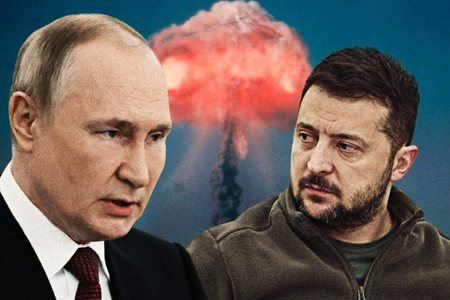
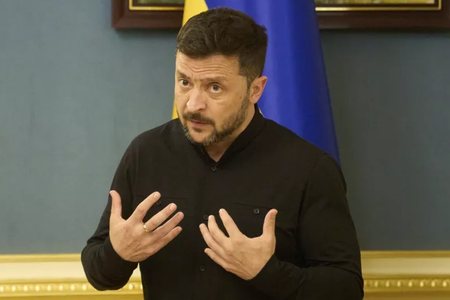
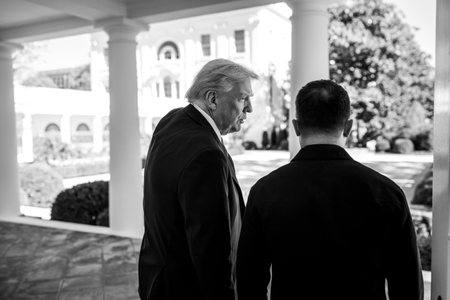
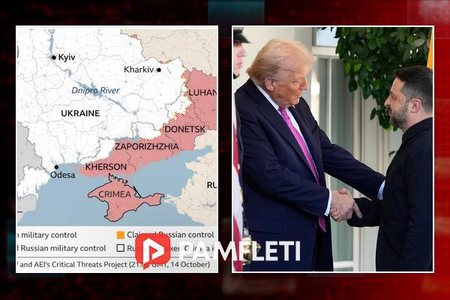


Vuçiç, ndërkohë që vjelë 'mollë', rrezikohet që Orban ti mari, 'Arkat' e mbushura më parë. Kjo në raport me Hungarinë. Pazari për 'Zajednicën' nuk i shkojë falë burrështetasve Kosovarë dhe gruashtetases gjermane Angela Merkel , Gjeostrategëve Amerikanë dhe të përfshirëve të tjerë.Takimi në Budapest nuk është pazar, por një përpjekje për ti dhënë fund luftës në Ukrahinë dhe një rikonfigurimi të Balkanit.
Bota ka krijuar Shoqaten e Delenxhinjve ne vend te OKBse. Se ku do i dale fundi mjere ne te vegjelit e te varferit.