


 Shkruar nga Pamfleti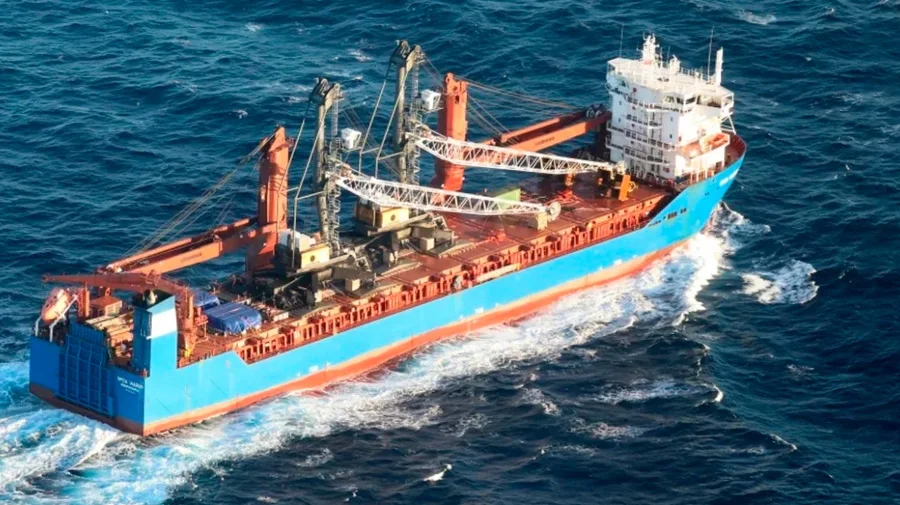
A Russian cargo ship, suspected of carrying two nuclear reactors for submarines and possibly destined for North Korea, suffered a series of explosions and sank under still unclear circumstances, about 60 miles off the coast of Spain, according to a CNN investigation.
The fate of the Ursa Major, which sank on December 23, 2024, remains a mystery. According to CNN, the incident may be linked to a rare and high-risk operation by a Western military power aimed at preventing the transfer of advanced nuclear technology from Russia to its ally, North Korea. The ship was launched just two months after Kim Jong Un sent troops to support the Russian offensive in Ukraine.
Increased military activity near the wreckage has raised doubts about the ship's cargo and destination. US nuclear-detection aircraft have flown over the area twice in the past year, according to public flight records. A week after the sinking, a suspected Russian spy ship approached the wreckage, causing four more explosions, according to a source familiar with the Spanish investigation.
The Spanish government has released little public information about the case. In a statement on February 23, after pressure from the opposition, it confirmed that the Russian captain had told Spanish investigators that the Ursa Major was carrying “components for two nuclear reactors, similar to those used in submarines,” but was unsure whether they contained nuclear fuel.
According to the Spanish investigation, a rare type of torpedo may have been used to pierce the ship's hull. The incident occurred in the final weeks of Joe Biden's presidency, at a time when the war in Ukraine was going in Moscow's favor and the US was seeking to avoid a direct escalation with Russia.
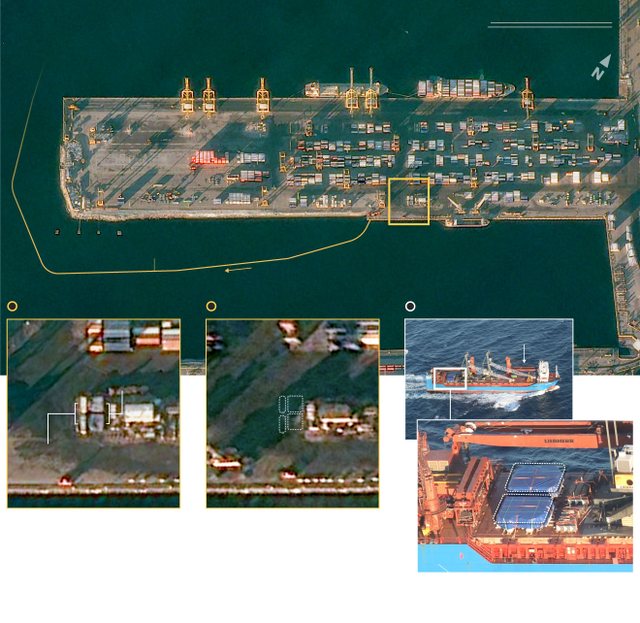
The Ursa Major, also known as the Sparta 3, had previously been used to evacuate Russian military equipment from Syria. The ship docked on December 2 at the port of Ust-Luga, on the Gulf of Finland, before being loaded in St. Petersburg. Public cargo documentation indicated that the destination was Vladivostok, in the Russian Far East.
In October of that same year, the state-owned company "Oboronlogistics", the owner of the ship, announced that its ships had received authorization to transport nuclear materials.
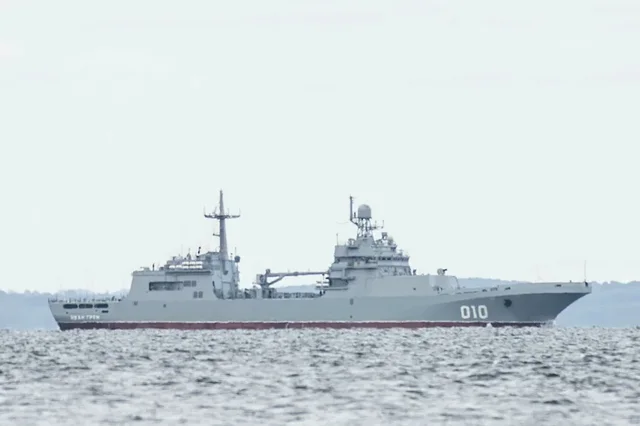
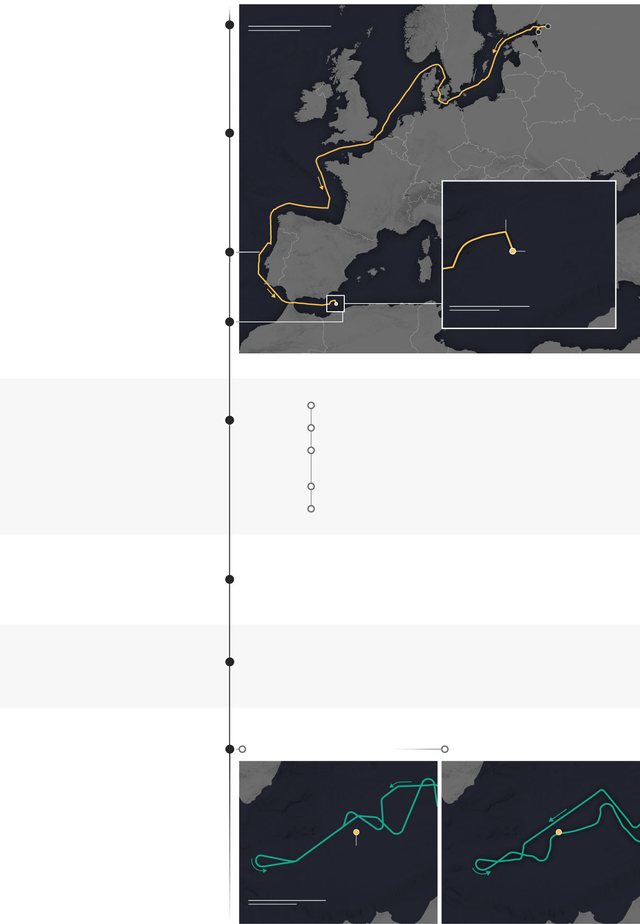
According to Portuguese authorities, the ship was monitored by the Portuguese navy as it moved along the French coast and then into Portuguese waters. Two Russian military ships, the Ivan Gren and the Aleksandr Otrakovsky, accompanied it during the journey.
Më 22 dhjetor, në ujërat spanjolle, “Ursa Major” ngadalësoi papritur shpejtësinë. Ekipet spanjolle të shpëtimit kontaktuan anijen përmes radios, por ekuipazhi deklaroi se situata ishte normale.
Rreth 24 orë më vonë, anija devijoi nga kursi dhe më 23 dhjetor lëshoi sinjal emergjence. Sipas hetimit, ajo kishte pësuar tre shpërthime në anën e djathtë, pranë dhomës së motorëve. Dy anëtarë të ekuipazhit humbën jetën.
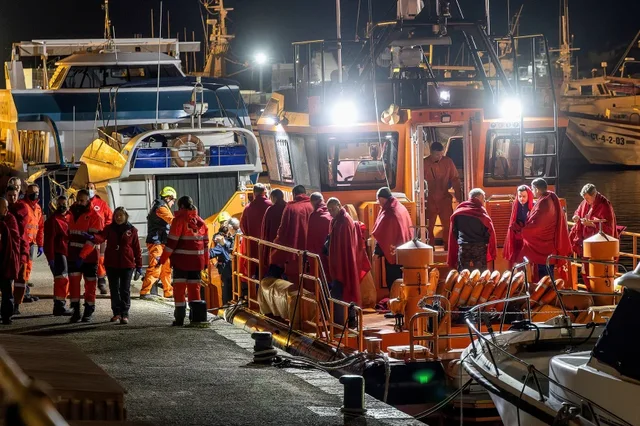
14 marinarët e mbijetuar u evakuuan me varka shpëtimi dhe u morën nga anija spanjolle “Salvamar Draco”. Më vonë, anija ushtarake ruse “Ivan Gren” kërkoi që mjetet e tjera të qëndronin larg zonës dhe kërkoi kthimin e menjëhershëm të ekuipazhit rus.
Sipas hetimit, “Ursa Major” dukej fillimisht e qëndrueshme dhe nuk rrezikonte fundosje të menjëhershme. Por në mbrëmje, “Ivan Gren” lëshoi sinjale ndriçuese të kuqe mbi zonë dhe më pas u regjistruan katër shpërthime të tjera. Rrjeti Kombëtar Sizmologjik i Spanjës konfirmoi se në atë kohë u regjistruan sinjale të ngjashme me shpërthime nënujore.
Pak pas orës 23:00, “Ursa Major” u raportua e fundosur.
Kapiteni rus, i identifikuar si Igor Anisimov, besonte se ngarkesa do të dërgohej në portin Rasón të Koresë së Veriut. Hetimi spanjoll vë në dyshim arsyen pse një ngarkesë e tillë do të transportohej me rrugë detare përreth botës, kur Rusia disponon një rrjet të gjerë hekurudhor.
CNN raportoi gjithashtu se anija ruse “Yantar”, e akuzuar më parë për spiunazh dhe sabotazh në ujërat e NATO-s, qëndroi për pesë ditë mbi vendin e fundosjes. Sipas burimeve, edhe aty u regjistruan shpërthime të tjera, që mund të kenë synuar mbetjet e anijes në fund të Mesdheut.
Sipas qeverisë spanjolle, rrënojat ndodhen në një thellësi prej rreth 2.500 metrash, ndërsa rikuperimi i kutisë së zezë konsiderohet shumë i vështirë dhe i rrezikshëm.
Ndërkohë, ushtria amerikane ka treguar interes të veçantë për zonën. Avionë të specializuar ëC135-R për zbulimin e mbetjeve bërthamore kanë fluturuar dy herë mbi vendin e incidentit pas fundosjes së “Ursa Major”.
Dyshimet për transferim të teknologjisë bërthamore drejt Koresë së Veriut janë shtuar pas publikimit nga Pheniani, në fund të vitit 2025, të imazheve të nëndetëses së parë bërthamore të regjimit të Kim Jong Un.
Analisti ushtarak Mike Plunkett, nga kompania “Janes”, deklaroi për CNN se një transferim i tillë teknologjie do të përbënte “një lëvizje të madhe nga Moska” dhe “potencialisht shumë shqetësuese”, veçanërisht për Korenë e Jugut.
Hetimi spanjoll dyshon se reaktorët mund të kenë qenë të modelit VM-4SG, i përdorur në nëndetëset ruse me raketa balistike të klasës Delta IV.
Sa i përket dëmtimit të anijes, hetuesit spanjollë po shqyrtojnë mundësinë që trupi i saj të jetë goditur nga një silur i tipit “Barracuda”, një armë me shpejtësi shumë të lartë që besohet se zotërohet vetëm nga SHBA, disa vende të NATO-s, Rusia dhe Irani.
Other experts cited by CNN have expressed doubts about this version and suggest that the damage may have been caused by a magnetic mine placed on the ship's hull.
Neither Russian, Spanish, or British authorities have officially commented on the investigation's allegations. The Pentagon also declined to comment. However, several Western security and intelligence officials have described the incident as "highly unusual," without offering an alternative explanation for the explosions and the strong Russian response.





Lini një Përgjigje