


 Shkruar nga Pamfleti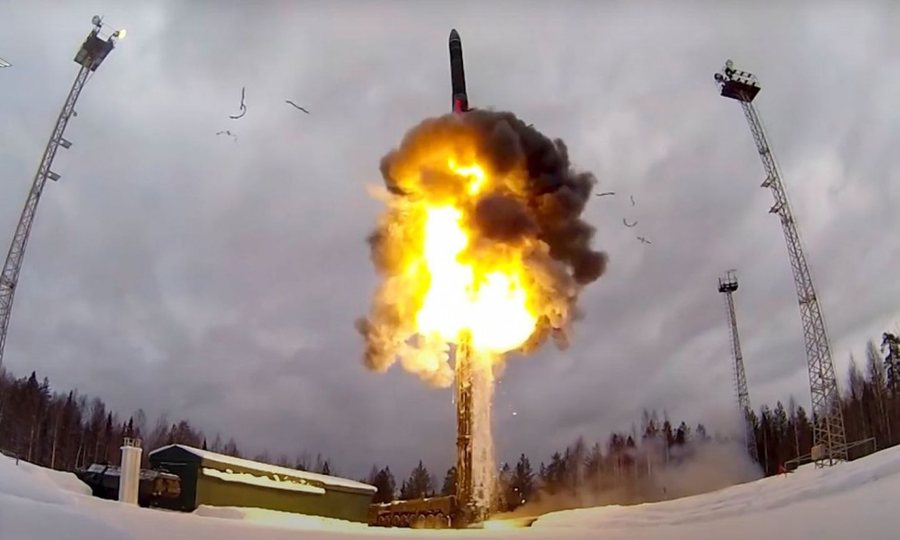
Why "Start" cannot be extended, who is to blame and why the situation is further complicated by Trump's plans
The world's two leading nuclear powers, the United States and Russia, after more than 50 years do not accept limits on their nuclear arsenals. This is the message sent to the world by the fact that the New START treaty on the control and limitation of nuclear weapons expires today and there is no successor agreement.
At a time when the global geopolitical tableau is dominated by turmoil and the arms race is at its peak, the two countries that have 90% of the nuclear weapons on the planet admit that they will have no limits on the nuclear warheads they possess and will not take measures to reduce the risk of a nuclear war.
As for who is to blame for the current situation, Russia is "showing" from Washington. Moscow has said it proposed a de facto extension of the treaty for a year, but has not received a response from the US president. For his part, Donald Trump has said he has no problem with the treaty expiring, as he can negotiate a better one in the future.
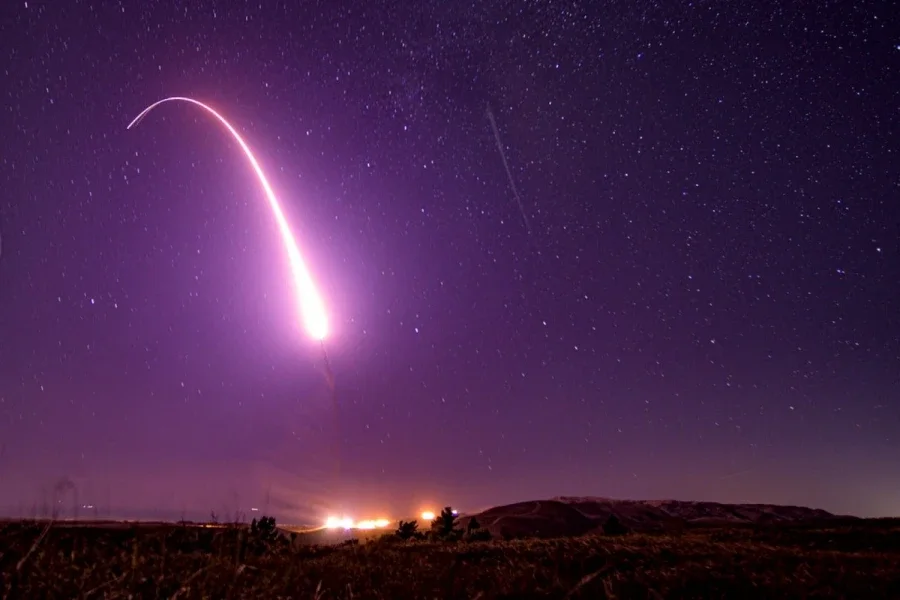
What is the START treaty?
After the Cuban Missile Crisis in 1962 and the threat of nuclear war between the United States and the Soviet Union, it was realized that a line of communication between the two countries was needed, as well as a treaty to prevent the possibility of a nuclear conflict. In 1972, then-US President Richard Nixon and then-Soviet leader Leonid Brezhnev signed the “SALT” agreement. This was the first attempt to limit their nuclear arsenals. Since then, there has always been some kind of agreement in place between the two countries to limit and control nuclear weapons.
The START treaty was signed by then-US President Barack Obama and his Russian counterpart Dmitry Medvedev. It entered into force on February 5, 2010, and stipulated reductions in the nuclear arsenals of both countries. Specifically, during the Cold War, each country had 30,000 nuclear warheads.
The treaty limited each country's nuclear warheads to 1,550, launchers to 800, and intercontinental ballistic missiles and ballistic missiles to 700.
Also, detailed transparency and verification mechanisms were established for both countries to exchange data and conduct on-site inspections of each other's nuclear arsenals.
Even before the pandemic, US and Russian inspection teams inspected nuclear weapons facilities 18 times a year. Each year, they exchanged more than 1,000 updates to report movements and changes in the status of deployments of missiles, bombers and nuclear warheads limited by the treaty.
Pas përfundimit të pandemisë, Rusia nuk e pranoi rifillimin e inspektimeve nga ekipet amerikane, duke përmendur luftën në Ukrainë. Të dyja palët gjithashtu ndaluan së ofruari përditësime. Megjithatë, ato vazhduan të pranonin kufizimin numerik të vendosur nga Traktati për kokat bërthamore. Në vitin 2021, doli në pah “Start i ri”, me një kohëzgjatje 5-vjeçare, për të cilën u ra dakord në minutën e fundit.
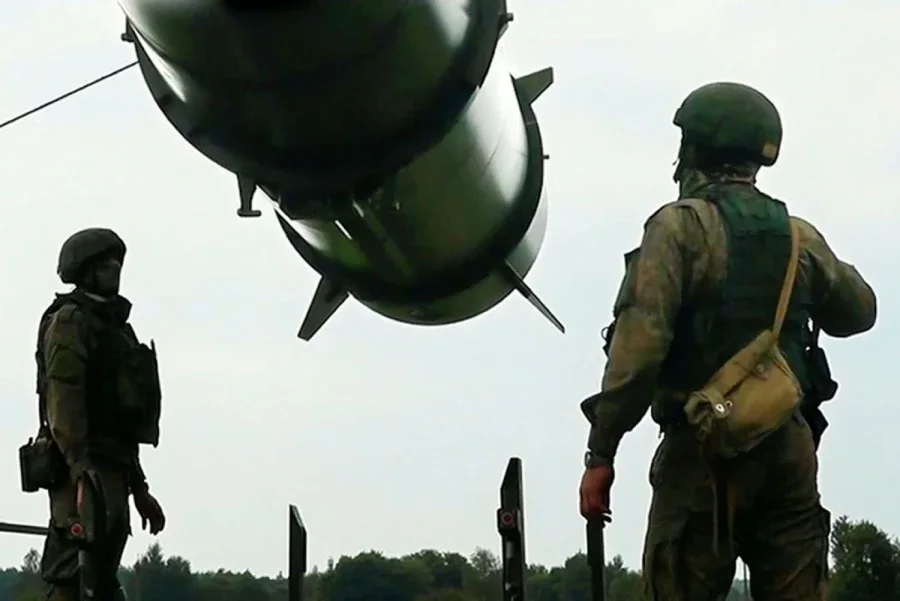
Sipas Lynn Rustin, e cila ishte në ekipin amerikan që negocioi START dhe ka punuar në pozicione të larta në Shtëpinë e Bardhë dhe në Departamentin e Shtetit të SHBA-së, traktati nuk mund të zgjatet përtej maksimumit prej 15 vjetësh.
Megjithatë, Vladimir Putin ka propozuar që kufijtë e kufizimit të armëve bërthamore të ruhen verbalisht për një vit tjetër derisa të fillojnë negociatat e reja.
“Kjo është ajo që e bën këtë moment kaq shqetësues: epokës së përmbajtjes së ndërsjellë bërthamore po i vjen fundi dhe asnjëra palë nuk tregon ndonjë urgjencë për t'u rikthyer në këtë çështje me shqetësim të ndërsjellë ekzistencial. Të dyja palët tani janë gati, për herë të parë në dekada, të forcojnë arsenalet e tyre strategjike bërthamore në vend që t'i zvogëlojnë ato së bashku”, shkroi Lynn Rustin në një artikull të kohëve të fundit.
Rreziqet për planetin
Frika që shprehet hapur është se do të fillojë një garë e re armatimesh dhe, mbi të gjitha, se arsenalet bërthamore do të forcohen jo vetëm në SHBA dhe Rusi, por kryesisht në Kinë, Pakistan dhe vende të tjera.
“Pa kufizimet e “Startit të Ri”, planifikimi strategjik nga të dyja palët ka më shumë të ngjarë të drejtohet nga pasiguria dhe skenarët më të këqij. Kjo rrit rrezikun e një gare të re armatimesh, veçanërisht nëse secila palë fillon të shtojë koka shtesë bërthamore në raketat ekzistuese ose të zgjerojë sistemet e shpërndarjes. Edhe nëse rritjet e arsenalit në shkallë të gjerë nuk zbatohen menjëherë, mungesa e kufijve dhe transparencës do ta bëjë më të vështirë ‘leximin’ e qëllimeve dhe menaxhimin e krizave”, vuri në dukje Georgia Cole, një bashkëpunëtore në grupin e ekspertëve Chatham House.
Kina, e cila po kërkon të shfaqet si superfuqia e re e botës, ndoshta dëshiron të rrisë arsenalin e saj bërthamor. Pekini këmbëngul se nuk do të marrë pjesë në negociatat zyrtare mbi kontrollin e armëve bërthamore sepse ka një arsenal shumë më të vogël se Shtetet e Bashkuara dhe Rusia. Vlerësohet se Kina ka 600 koka bërthamore, ndërsa Shtetet e Bashkuara dhe Rusia kanë nga 5,000 koka bërthamore secila.
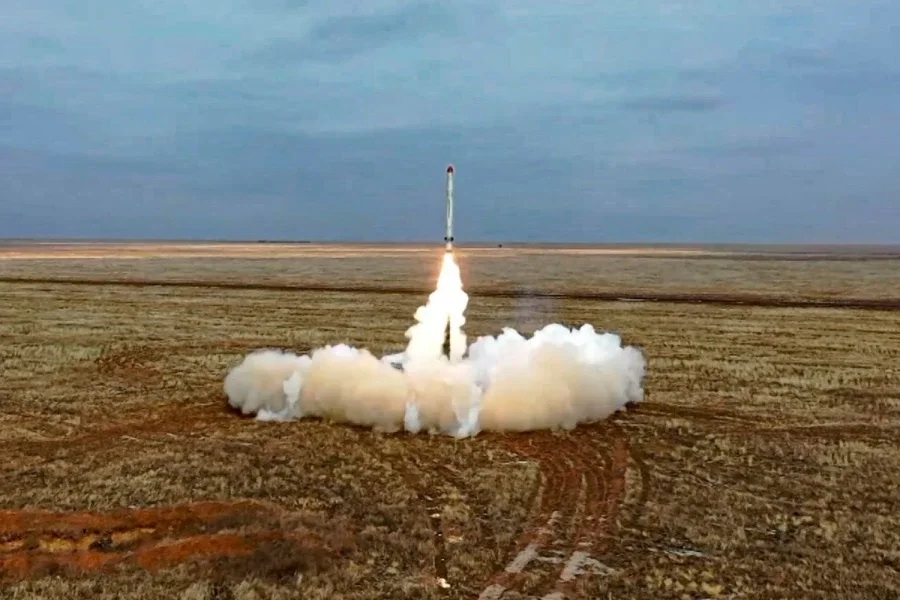
Situata ndërlikohet më tej nga planet e Trump për "Kupolën e Artë", "mburojën" e re anti-raketore që SHBA-të duan të blejnë dhe do ta mbrojnë nga një sulm me armë bërthamore. Moska ka argumentuar prej kohësh se "Kupola e Artë" i hap derën Rusisë për të forcuar mbrojtjen dhe arsenalin e saj.
"The New START Treaty was never a comprehensive solution to the strategic rivalry between the US and Russia, and some parts of its framework reflect an earlier phase of nuclear competition. However, it has provided the basis for predictability in a deteriorating relationship. Its termination would eliminate that basis," Georgia Cole stressed.
He added that “in the current geopolitical climate, the margin for error is already small. Maintaining some form of mutual restraint, however limited, remains preferable to risking the dangerous instability of an uncontrolled nuclear competition.” / Pamphlet /




Lini një Përgjigje