


 Shkruar nga Pamfleti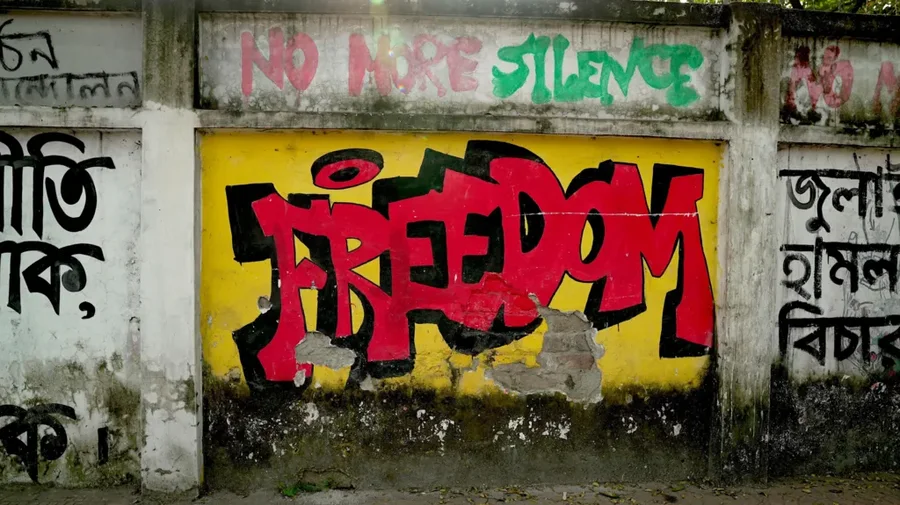
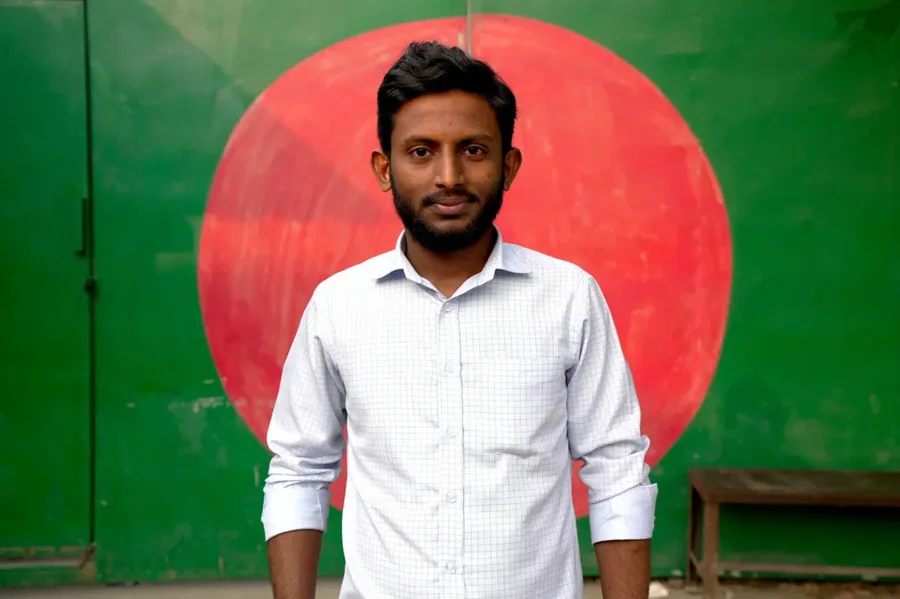
Rahat Hossain was almost killed trying to save his friend in a youth uprising that became one of the bloodiest episodes in Bangladeshi history.
Footage showing him pulling to safety Imam Hasan Taim Bhuiyan, who had been shot by police, went viral during a revolution that toppled the country's leader.
During a crackdown on protests on July 20, 2024, Hossain, 24, and Bhuiyan, 19, took refuge in a tea stall in Dhaka, but police dragged them out, beat them, and ordered them to leave.
Bhuiyan was shot. Seeing him lying on the ground, Hossain started to drag him, but the police kept shooting. Hossain felt a bullet graze his leg.
"I had to leave him behind," says Hossain. Bhuiyan was later pronounced dead at the hospital.
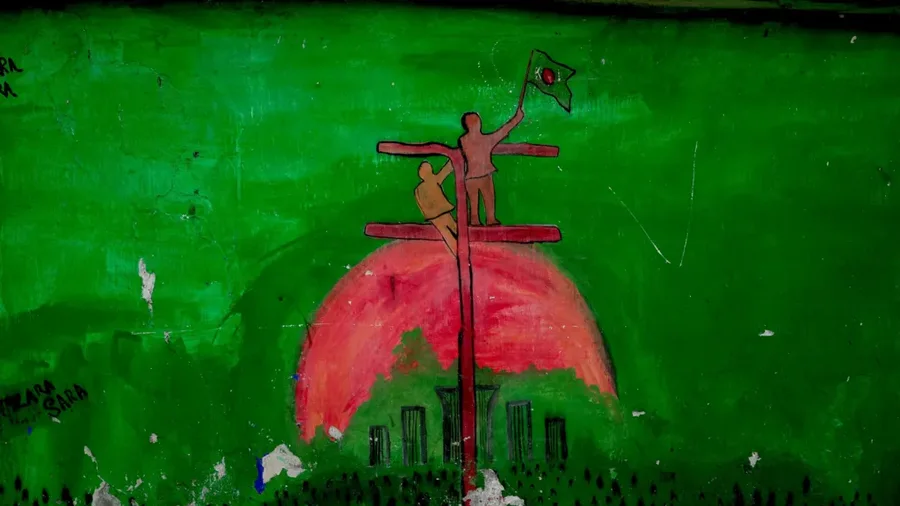
The images of violence became the catalyst that transformed student-led demonstrations into a massive nationwide protest, centered in the capital, Dhaka. Within two weeks, the government was ousted from power, with Prime Minister Sheikh Hasina fleeing the country.
According to the United Nations, up to 1,400 people died during the protests, the vast majority of whom were killed in the security crackdown ordered by Hasina.
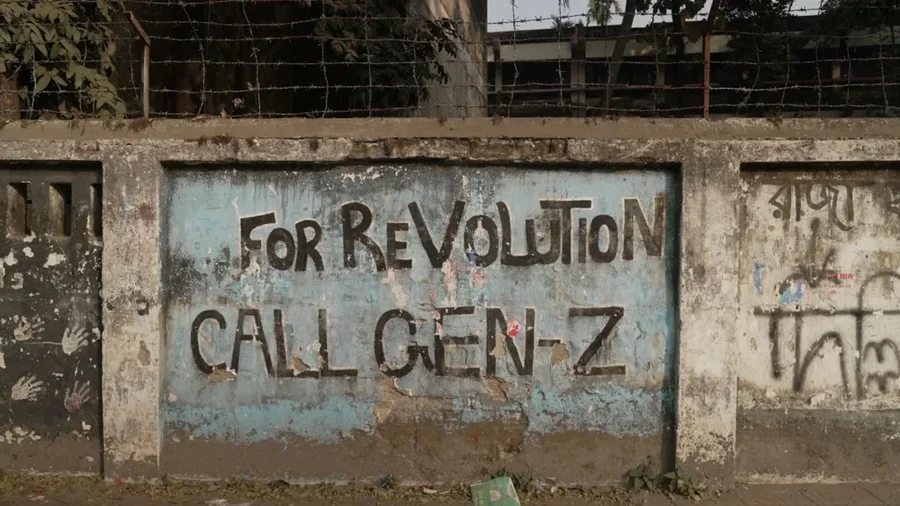
Hasina's fall seemed to promise a new era. The uprising was considered the first and most successful of a series of Generation Z protests around the world.
Several student leaders in Bangladesh continued to hold key positions in an interim government, trying to shape what they had come out to fight for. They were expected to play a role in the country's next administration, after decades of rule by Hasina's Awami League and the rival Bangladesh Nationalist Party (BNP).
But as the general elections approach next week, the newly formed student political party is deeply divided and women in the movement are largely sidelined. With the Awami League banned, other long-established parties are filling the void.
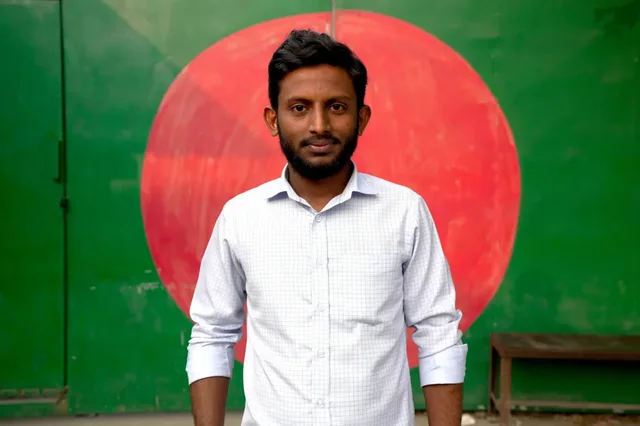
Rahat Hossain survived the shooting at the protests, but his friend did not.
The caretaker government has failed to create the "beautiful Bangladesh based on peace, equality, justice and fairness" that he had hoped for.
Hossain is not alone in thinking that the student-led National Civic Party (NCP) is too inexperienced. On the contrary, he is impressed by another, much older party: Jamaat-e-Islami.
It is an Islamist party that has served as a junior partner in the coalition, but gained momentum in the run-up to the February 12 elections, from which the Awami League is banned.
I themeluar në vitin 1941, Xhamati është ndjekur gjithmonë nga qëndrimi i tij gjatë luftës së Bangladeshit për pavarësi nga Pakistani në vitin 1971. Qindra mijëra njerëz u vranë dhe më shumë se 10 milionë u larguan nga shtëpitë e tyre. Disa nga politikanët e Xhamatit u akuzuan për bashkëpunim me Pakistanin Lindor të atëhershëm.
Por kjo histori nuk duket se e shqetëson Hossainin, i cili beson se Xhemati është modernizuar.
"Xhemati mbështeti shokët e kryengritjes së korrikut dhe studentët në mënyra të ndryshme", shpjegon ai.
Udhëheqësi i Xhematit, Shafiqur Rahman, i tha BBC-së se partia po zotohet t’i japë fund korrupsionit dhe të rivendosë pavarësinë e gjyqësorit pretendime që do të jenë të vështira për t'u realizuar në një vend me nivele historikisht të larta korrupsioni, por që kanë gjetur jehonë tek shumë njerëz.
Profesori Tawfique Haque i Universitetit North South në Daka thotë se shumica e votuesve të rinj, të lindur shumë kohë pas vitit 1971, mund ta ndajnë Xhematin nga historia e tij dhe nuk e shohin atë si një vijë të kuqe.
"Është një çështje brezash", thotë ai, duke argumentuar se ata nuk duan të "mbyllen me këtë debat".
Hossain nuk është i vetmi që po i drejtohet Xhematit: kandidatët e mbështetur nga krahu studentor i partisë fituan një fitore të thellë gjatë zgjedhjeve studentore në universitetet kryesore të Bangladeshit shtatorin e kaluar, në një votim të parë si një tregues i gjendjes shpirtërore kombëtare.
Një kompromis i diskutueshëm
Mungesa e besimit në NCP është një goditje e madhe për udhëheqësit studentorë.
"Shpresonim të bënim shumë më mirë", pranon Asif Mahmud, 27 vjeç, një ish-këshilltar i qeverisë së përkohshme dhe tani kryetar i Komitetit Zgjedhor të NCP-së.
Por, argumenton ai, shanset ishin kundër tyre: "Vetëm dy parti e kanë udhëhequr Bangladeshin gjatë 50 viteve të fundit… ne po përpiqemi të vërtetojmë veten."
Pra, NCP bëri një zgjedhje. Në dhjetor, ata njoftuan një aleancë shumëpartiake me Jamaat-e-Islami.
Ashtu si Jamaat, NCP ka premtuar të çrrënjosë korrupsionin. Manifesti i saj ka premtime të tjera që synojnë votuesit e rinj: drejtësi për familjet e të vrarëve në kryengritje, uljen e moshës së votimit në 16 vjeç dhe krijimin e vendeve të punës përmes reformës tatimore dhe ekonomike.
Mahmud argumenton se NCP kishte nevojë për ndihmë nga operacionet bazë të Jamaat-it, edhe nëse ata nuk pajtohen për çështje të caktuara. "Ne gjithmonë kemi thënë se nuk jemi një parti islamiste," tha ai, "Kjo nuk është një aleancë ideologjike."
Por nga 30 kandidatët që Jamaat po i lejon NCP-së të kandidojë, vetëm dy janë gra. Jamaat po kandidon më shumë se 200 kandidatë, të gjithë burra.
Ky është një kompromis që anëtaret e larta femra të NCP-së, si Tasnim Jara, e kanë quajtur një "vijë të kuqe morale" dhe arsyeja pse ajo dhe disa të tjera kanë dhënë dorëheqjen nga partia.
"They wanted to sideline us," says Shima Akhter, a 25-year-old student who helped lead the protests.
Despite women playing a key role in the uprising, Shima argues that the interim government under Muhammad Yunus is still largely dominated by men.
Both parties deny that they have sidelined women.
The lack of support for the NCP, along with the ban on the Awami League, is also benefiting the BNP, which has rebranded itself as a liberal democratic force.
After seeing thousands of supporters and senior members imprisoned under Awami rule, the BNP is now the largest party in the race and is further narrowing the gap with the student party.
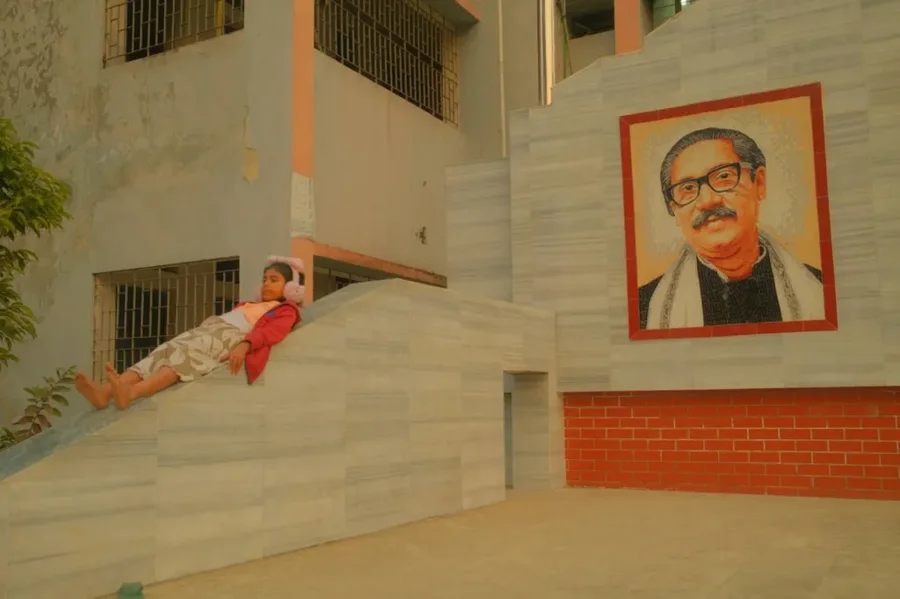
Like the Awami League, whose leader Hasina is the daughter of Sheikh Mujibur Rahman, considered the country's founder, the BNP is linked to a political dynasty.
Its new leader, Tarique Rahman, is the son of the late Khaleda Zia, Bangladesh's first female prime minister. Zia herself came to power after her husband, a former president, was killed in a military coup.
"Whether you come from a dynasty or not, it doesn't matter," former BNP commerce minister, now candidate, Amir Khasru Mahmud Chowdhury, told the BBC.
Ironically, this dynastic cycle is only sustainable thanks to the student-led uprising, after which Rahman was able to return after 17 years in self-imposed exile.
Hasina ruled Bangladesh for 15 years, overseeing economic progress but increasingly trying to silence opposition with arrests, disappearances and politically motivated extrajudicial killings. She was sentenced to death for the crackdown in 2024 by Bangladesh's war crimes court last year.
If Sheikh Hasina were to order this, the party and its supporters would “resist” the elections, he warned. “If she decides that people should not go to the polling stations, then we will not go. If she says the elections should be disrupted, then we will disrupt them.”
Many people in Bangladesh were happy to see the end of the Awami League's rule. After next week's vote, students will find out whether their revolution and the bloodshed were worth it. /Adapted from BBC /





Lini një Përgjigje