


 Shkruar nga Pamfleti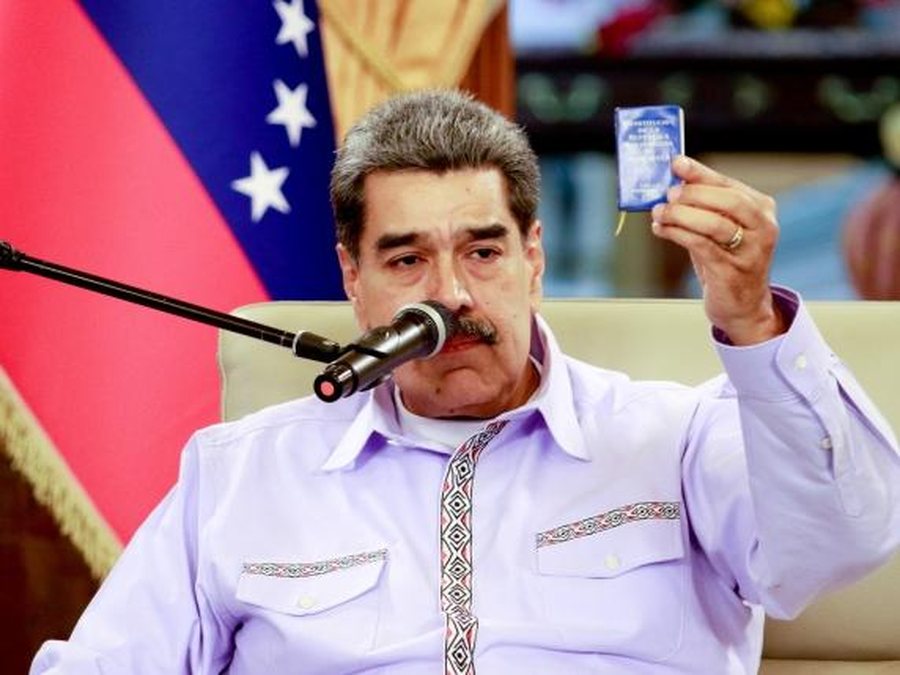
Even if Maduro leaves or is eliminated, Diosdado Cabello, the Minister of Interior and Peace, who is considered one of the most powerful drug lords in Venezuela, remains in Caracas.
The United States considers Nicolás Maduro a "narcoterrorist", just like Manuel Noriega, the dictator-president of Panama, who was initially a "friend" of the CIA and later ended up in prison for drug trafficking and money laundering.
But Venezuela is not Panama!
A ground invasion like Operation "Causa Justa" in 1989 is impossible. At that time, 30,000 soldiers were enough, while in Venezuela ten times that number would be needed.
Analysts say Trump's strategy aims for heavy pressure, and perhaps soon even missile launches, that could force Maduro to surrender himself and flee to a friendly state like Russia, China, Cuba or an African country, to avoid Noriega's fate.
Maduro is already accused by US prosecutors of being the head of a narco-state, even though most of the drugs that reach American streets come from the Pacific Ocean, not the Caribbean.
There is a $50 million bounty on the head of Venezuela, the highest ever from the US.
It is believed that, unofficially, Washington has cleared the way for him to leave Venezuela, as US special forces cannot force him out of the Miraflores Presidential Palace.
The allies who keep him in power
Maduro has resisted so far, relying on the vast oil reserves, the largest in the world, that make Venezuela an enviable object.
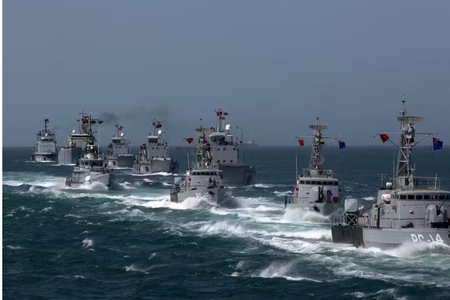
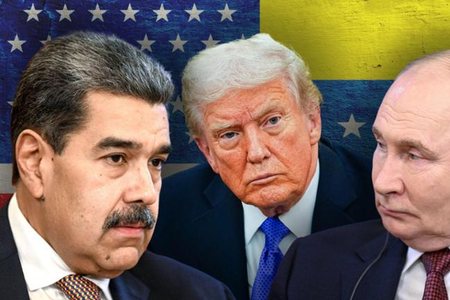
He seeks support from the allies who keep him in power, Russia with weapons, China with loans, Iran with fuel, to resist a possible American attack, which risks causing a wider conflict.
The dangers of an invasion
Maduro is not alone in power; the leaders of the armed forces have gained power and money under his shadow and will resist to the end.
"An invasion would be chaotic and extremely protracted," writes Atlas Report.
Even if Maduro leaves or is eliminated, Diosdado Cabello, the Minister of Interior and Peace, who is considered one of the most powerful drug lords in Venezuela, remains in Caracas.
The most likely option remains with missiles aimed at infrastructure and perhaps some palace of power. But it is not yet certain that Maduro will leave. Another option could be presidential elections without manipulation and an amnesty, as happened with other Latin dictatorships during the Cold War./Corriere della Sera


Lini një Përgjigje