


 Shkruar nga Pamfleti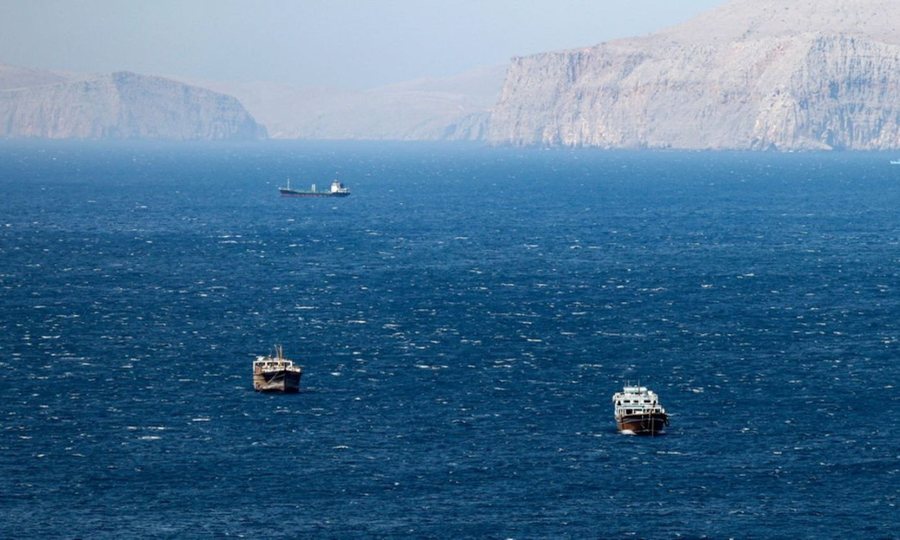
The differing interpretations of the Memorandum of Understanding on control of the Strait of Hormuz have caused military escalation and put the interim agreement between Washington and Tehran to the test...
The Strait of Hormuz continues to remain at the center of tensions between Iran and the United States, while different interpretations of Article 5 of the Memorandum of Understanding (MoU) are testing the interim agreement reached between the two countries.
According to Axios, both sides have accused each other of violating the memorandum, specifically Article 5, which regulates the safety of navigation in the Strait of Hormuz. The latest military clashes are the first serious incidents since the agreement was signed on June 17.
According to Axios, on Sunday evening Washington and Tehran agreed to stop mutual attacks and hold a meeting in Doha, Qatar, to continue technical talks and resolve disagreements regarding the implementation of the memorandum.
The crisis escalated after a merchant ship was hit while passing through the Strait of Hormuz. The US responded with strikes on Iranian targets, although Tehran did not claim responsibility for the incident.
The Islamic Revolutionary Guard Corps (IRGC) then announced that it had launched ballistic missiles and drones against US forces at the Ali Al Salem air base in Kuwait and the US Fifth Fleet headquarters in Bahrain, presenting the action as a response to US attacks on five coastal areas of Iran.
Iran said it launched missile and drone strikes on US bases in Kuwait and Bahrain, escalating tensions days after both sides agreed to an interim deal to end their conflict https://t.co/RvmOFeVE1K pic.twitter.com/2UQ4dVl1jS
— Reuters (@Reuters) June 28, 2026
The Iranian Foreign Ministry described the US attacks as a violation of the United Nations Charter and the Memorandum of Understanding.
Why Hormuz matters
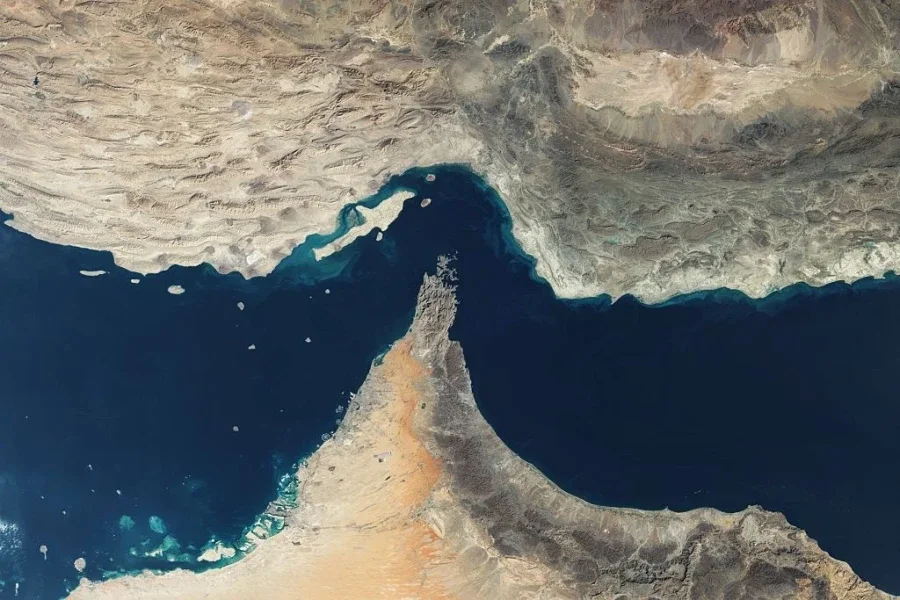
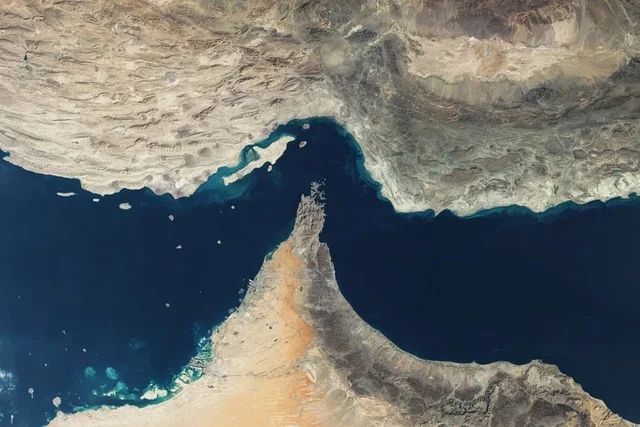
The Strait of Hormuz is one of the world's most important shipping lanes for oil. Before the conflict erupted on February 28, about a fifth of global oil supplies passed through it.
Iran's de facto blockade of the strait has sent shockwaves through international energy markets. The memorandum envisions the full reopening of the maritime corridor, but Tehran has opposed US efforts to create alternative corridors off the coast of Oman.
According to maritime intelligence company Windward AI, the tensions have directly impacted ship traffic. The number of crossings fell from 70 on Wednesday to 54 on Thursday and dropped to just 40 on Saturday.
What does Article 5 provide?
According to the text of the memorandum, Iran commits to taking all necessary measures to guarantee the safe passage of commercial ships without tariffs for a period of 60 days, in both directions between the Persian Gulf and the Sea of Oman.
The provision also provides for: the removal of technical and military obstacles; the demining of the area within 30 days; the initiation of consultations with the Sultanate of Oman and other coastal states on the future administration of the strait, in accordance with international law .
However, it is precisely the interpretation of these formulations that has become the main source of disagreement.
Two different interpretations
Iranian Foreign Minister Abbas Araghchi stated during a visit to Baghdad that the memorandum recognizes Iran's full responsibility for the administration and supervision of the Strait of Hormuz during the transition period.
According to him, any intervention or unilateral action by other parties would only worsen the situation and delay the full reopening of the maritime corridor.
On the other hand, the US supports a coordinated navigation system with Oman and the International Maritime Organization (IMO), a proposal that Tehran considers unacceptable.
According to Al Jazeera, experts believe that the main problem is not the text of the memorandum, but its interpretation.
Hasan Ahmadian, a professor at the University of Tehran, argues that Washington is trying to implement different rules than those it itself accepted when signing the agreement.
Iranian analyst Abbas Aslani estimates that Tehran considers control over the Strait of Hormuz as a strategic tool to deter further American attacks and that any attempt to change its status by force is unacceptable.
Meanwhile, Austrian defense analyst Wolfgang Pusztai says Iran insists on controlling the strait, while the US and Arab countries seek to guarantee freedom of navigation.
According to him, although both sides have used force to support their positions, the scale of the reactions does not indicate that they are aiming for a full escalation of the conflict. He believes that there is still room for a diplomatic solution.
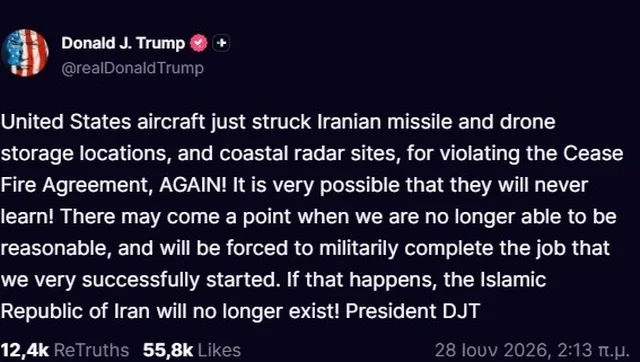
US President Donald Trump wrote on the "Social Truth" platform that US forces struck Iranian missile depots, drones and radar installations in response to what he said were repeated violations of the agreement by Tehran.
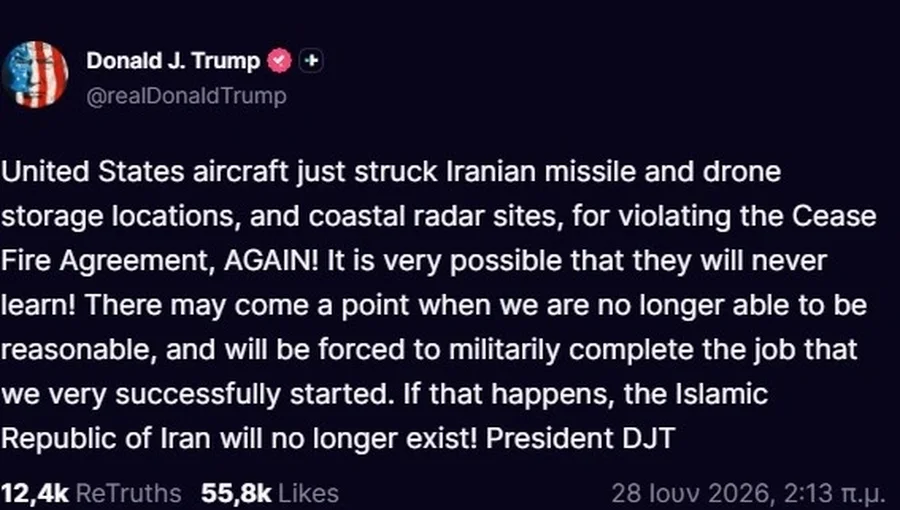
He warned that if the situation escalates further, the United States may undertake even more extensive military operations against Iran. / Pamphlet /






Lini një Përgjigje