


 Shkruar nga Pamfleti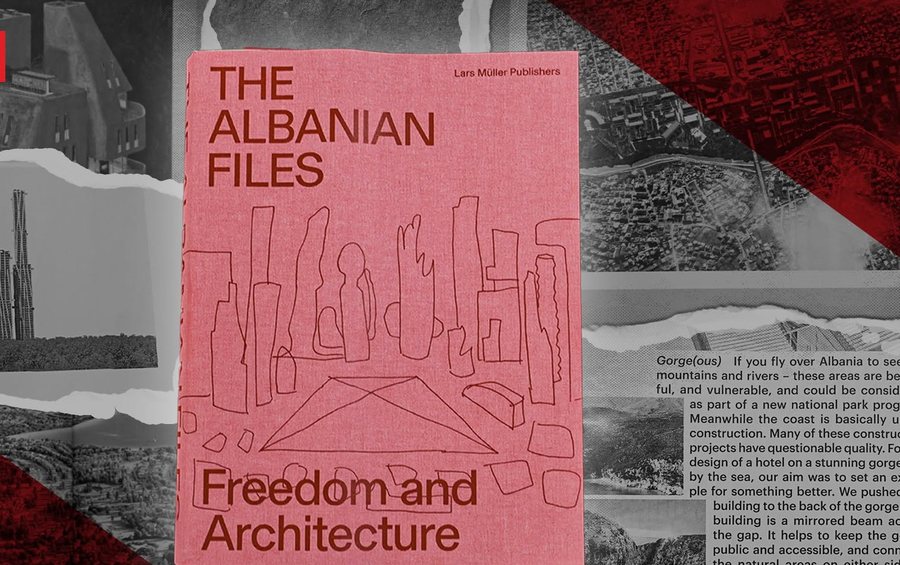
The book "The Albanian Files" has opened a debate on the relationship between architecture, power and urban development in Albania, raising questions about the role of international architects in the country's largest projects...
A luxurious edition of nearly 750 pages, “The Albanian Files”, published by Lars Müller Publishers, has sparked a debate that goes far beyond architecture. The book compiles projects, reflections and testimonies of dozens of internationally renowned architects who have designed in Albania over the past two decades.
The foreword was written by Prime Minister Edi Rama, who for years has placed architecture and urban transformation at the center of his political vision. Since its publication, the book has been read in diametrically opposed ways.
For the government's supporters, it represents a testament to the country's modernization and Albania's ability to attract the world's most renowned architectural names. For critics, it constitutes an unusual document that helps to understand how strategic decisions for the territory were made, often through direct contacts with the prime minister rather than through the usual institutions.
The debate has also been intensified by the fact that the book is not an opposition report or a leaked document, but a publication in which the architects themselves recount their experiences in Albania. It is precisely this testimony that has become the subject of numerous interpretations.
According to critics, the book describes a model where architecture is presented not only as an instrument of urban development, but also as part of a political mechanism that concentrates decision-making in a narrow circle of power.
They argue that large projects - towers in Tirana, tourist resorts and coastal interventions - have been promoted as symbols of modernization, while questions continue to arise over the transparency of procedures, the source of capital and institutional control.
Part of the debate is related to how international architects describe their contacts with the prime minister. Architect Chris Precht says he was contacted by Rama via Instagram to discuss the possibility of working in Albania.
Alejandro Aravena writes that the prime minister called him immediately after getting his number, while Sam Chermayeff describes a late-night call that led to discussions about concrete projects.
In many countries, such stories could be considered interesting episodes in the relationship between politics and architecture. However, in Albania they have raised questions about the functioning of institutions.
Kritikët pyesin se cili është roli i ministrive, bashkive, agjencive të planifikimit dhe procedurave të prokurimit nëse projektet strategjike nisin përmes kontakteve të drejtpërdrejta me kreun e qeverisë.
Sipas këtij interpretimi, libri dokumenton një sistem ku arkitektura shndërrohet në një instrument të pushtetit politik. Në një kohë që projektet prezantohen si dëshmi të zhvillimit dhe modernizimit, kritikët argumentojnë se ato janë realizuar në një klimë ku çështje si pronësia mbi tokën, lejet e ndërtimit, investitorët strategjikë dhe mbrojtja e mjedisit kanë qenë vazhdimisht objekt polemikash.
Akuza më e rëndë e ngritur nga një pjesë e analistëve, është se prestigji i arkitektëve me famë botërore mund të ketë shërbyer për t’u dhënë legjitimitet projekteve që lidhen me një model zhvillimi të kritikuar për mungesë transparence.
Shqipëria po përjeton prej vitesh një bum të jashtëzakonshëm ndërtimi, ndërsa debati mbi origjinën e kapitaleve që financojnë një pjesë të këtyre investimeve mbetet i hapur. Në këtë kontekst, disa ekspertë argumentojnë se arkitektët nuk mund të konsiderohen vetëm projektues teknikë, por edhe aktorë që kanë kontribuar në krijimin e imazhit publik të këtyre projekteve.
Ata shtrojnë pyetjen nëse janë kryer verifikime të mjaftueshme për mjedisin institucional dhe ekonomik ku po investonin emrin dhe reputacionin e tyre. Debati ka marrë edhe një dimension juridik. Shkrimtari dhe analisti Fatos Lubonja e bëri publik librin në Shqipëri dhe ndihmoi në krijimin e një grupi pune për analizimin e përmbajtjes së tij.
Sipas burimeve të cituara në debat, juristët po shqyrtojnë mundësinë e paraqitjes së një kallëzimi pranë Strukturës së Posaçme Kundër Korrupsionit dhe Krimit të Organizuar (SPAK), me argumentin se libri mund të përmbajë elemente me interes për hetime të mundshme.
Një tjetër pikë që ka tërhequr vëmendjen, është mungesa pothuajse e plotë e zërit të arkitektëve shqiptarë dhe komuniteteve të prekura nga projektet. Libri fokusohet kryesisht te studiot ndërkombëtare dhe vizionet e tyre për transformimin e territorit shqiptar.
Për kritikët, kjo krijon përshtypjen e një Shqipërie të parë si laborator eksperimentimi, ku vendimmarrja zhvillohet larg debatit publik. Ndër pjesët më të diskutuara të botimit është letra e Reinier de Graaf nga firma holandeze OMA.
Në një tekst me tone satirike, ai sugjeron se arkitektët do të përfitonin më shumë nëse Rama do të vazhdonte të qeveriste përtej kufijve të zakonshëm të mandateve. Kryeministri ka sqaruar se letra është një tekst ironik dhe se përfshirja e saj tregon pikërisht mungesën e censurës editoriale.
Megjithatë, kritikët argumentojnë se një satirë e tillë merr një kuptim tjetër në një vend me kujtesë të fortë të autoritarizmit. Sipas tyre, humori politik nuk mund të shkëputet nga konteksti ku zhvillohet, sidomos kur lidhet me përqendrimin e pushtetit.
The controversy surrounding the book is taking place in a tense political climate. Citizen protests against coastal construction, environmental protection, and the way public property is managed have expanded into broader demands for transparency and accountability.
Against this backdrop, “The Albanian Files” has become a point of reference for both political camps. Rama has rejected critical interpretations. He has stated that the book was not published by him and that the authors wrote independently.
According to the Prime Minister, Albania has become an "open-air university" for contemporary architecture, and collaboration with renowned international names has increased the quality of projects, promoted the country, and helped form a new generation of professionals.
It is undeniable that in recent years Albania has gained considerable attention in international architectural circles. Tirana's central square, new towers and urban projects have been published in prestigious magazines and have attracted the interest of the world's most renowned studios.
However, critics argue that aesthetic success cannot replace institutional transparency. According to them, the fundamental question is not whether the projects are beautiful or ambitious, but how the decisions were made, who benefited from them, and whether the standards of a democratic state were respected.
Historian and cultural heritage expert Auron Tare has linked the debate to the relationship between power and territory. Referring to a thought by British architect Richard Rogers, he argues that autocracies aim not only for control over institutions, but also over the landscape and historical memory of a country.
According to him, urban transformations are not just aesthetic matters; they directly affect the way a society understands its history and future. Ultimately, the debate that “The Albanian Files” has opened is no longer limited to architecture.
It touches on the way power is exercised, how decisions about the territory are made, and what is the relationship between institutions, public interest, and private capital. For the government's supporters, the book remains a testament to the ambition to modernize Albania and integrate it into the international architectural map.
For critics, it represents a document that raises serious questions about the functioning of the state, the concentration of power, and the transparency of urban development. Regardless of the interpretation given to it, one thing seems clear: “The Albanian Files” has managed to do something that architectural publications rarely achieve.
He has shifted the debate from projects and buildings to the way power is constructed, how territory is administered, and how politics, economics, and public image are intertwined in today's Albania. / Pamphlet from "Tirana Times"





Normalisht qe kjo po ndodh. Palloshi e ka nda mendjen me e shkataeru ket vend. Jane ata arkitekt qe duan ta shpallin Palloshin mbret. Po a mundet nje pallosh te behet mbret? Nese po, shpallni me mire kete "timin"
Lumenjt, rruget, prroskat, plot me mbeturina. Fshatrat pa uje, pa rruge, pa plan zhvillimi. Njerezit degdisen neper bote ne kerkim te fatit, keta zhgarravisin neper letra luksoze qe shkelqejne. Jam kurioze ta di per cfare flasin keto file. Ato mund te jene nje roman I stisur me imaginate, per efekt fasade dhe show qe gjithkush mund ti bej. Le ta themi roman me zhgarravina, ku zhgarravitesit hamendesojne dhe mendojne se deti U Bo kos. U farofte fara e keqe antishqiptare jarabil!