


 Shkruar nga Pamfleti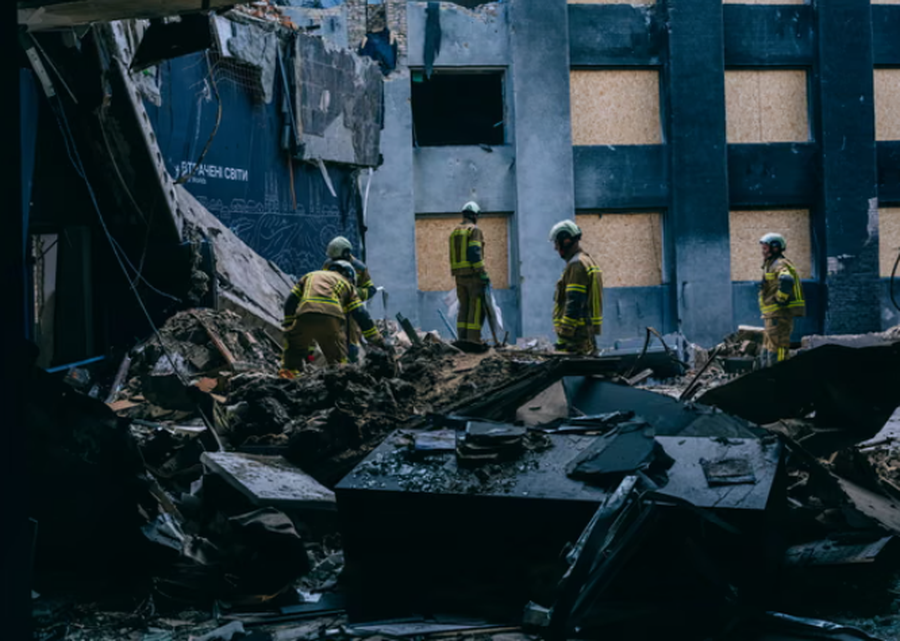
Russia's latest attack killed two people, injured 90 others and caused extensive damage to many museums and buildings of cultural significance in the Ukrainian capital.
For four years, Vitalina Martynovska and her team had been working on the complete transformation of the National Chernobyl Museum in Kiev.
The new modern exhibits were designed to tell a new story about the reactor explosion on April 26, 1986, the worst nuclear accident in history, a factor that contributed to the collapse of the Soviet Union and an event that continues to influence Ukrainian identity today.
The museum would not only be dedicated to the extraordinary work of the “liquidators,” who carried out the first cleanup operations after the disaster. It would also tell the story “of all the people whose lives changed after the disaster,” said Martynovska, the museum’s director.
The museum reopened to visitors on April 26, exactly 40 years after the nuclear disaster. But less than a month later, on the night of May 23, a shock wave caused by a Russian missile engulfed the museum's historic building, once a fire station.
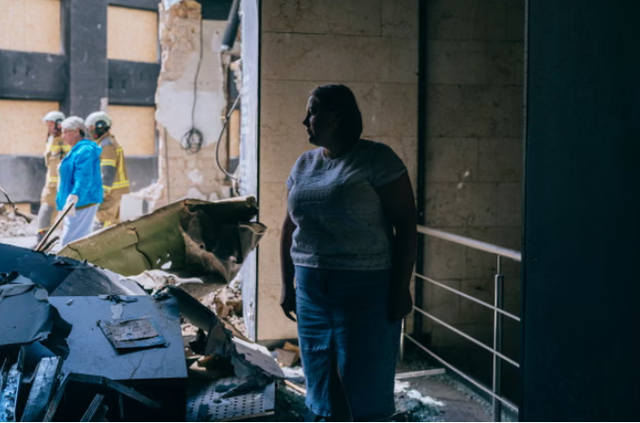
Five days later, still deeply shaken, Martynovska stood among the charred remains of the museum. Firefighters worked amid the near-total destruction of everything she and her team had worked so hard to create over the years.
“There is practically no space in the museum that has not suffered damage,” she said, adding that “the building itself has suffered significant damage. The roof has been destroyed, the floor between the second and third floors has collapsed, while the exhibition halls and the museum laboratory have been damaged.”
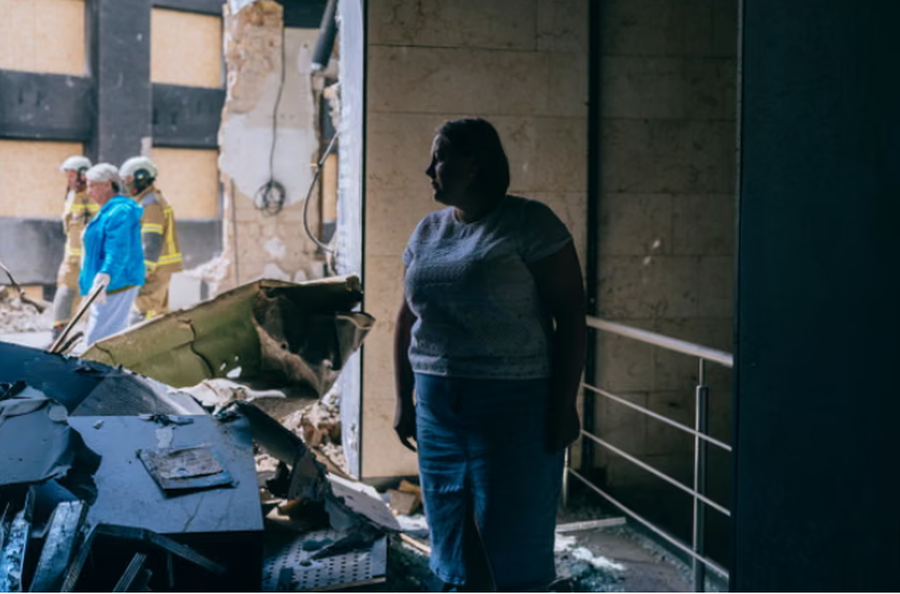
According to initial estimates, about 40% of the irreplaceable artifacts on display have been destroyed.
Martynovska learned that the building had been engulfed in flames at around 5:00 a.m. on May 24. That night, Russia launched 60 missiles and 600 drones into Ukraine, most of them aimed at the capital. The attack killed two people, injured 90 others, and caused extensive damage to museums and culturally significant buildings in Kiev.
“Twenty minutes later I was there,” she said, adding that “the first thing I saw was thick smoke and flames on the roof. The windows, doors and gates that were part of this building were already collapsed to the ground. Given that for the last four years I had worked with the team to restore the facility and create the new exhibition, you can imagine how hard this was for me.”
Sapo ekipet e emergjencës e lejuan, ajo dhe kuratori kryesor hynë në ndërtesë për të shpëtuar çfarë të mundnin. “Filluam evakuimin e artefakteve ndërsa çatia ende digjej dhe operacioni i fikjes së zjarrit vazhdonte”, tha ajo, ndërsa shtoi se “mund të dëgjonim çatinë duke u shembur. Kalonim vazhdimisht përmes ujit.”
Ndërsa fliste, punonjësit e emergjencës po siguronin një hapësirë që kishte strehuar një ekspozitë për zonën e Çornobilit para ndërtimit të centralit bërthamor. Artefaktet përfshinin Bibla të vjetra, libra, ikona dhe objekte qeramike, shumica e të cilave ishin shkatërruar.
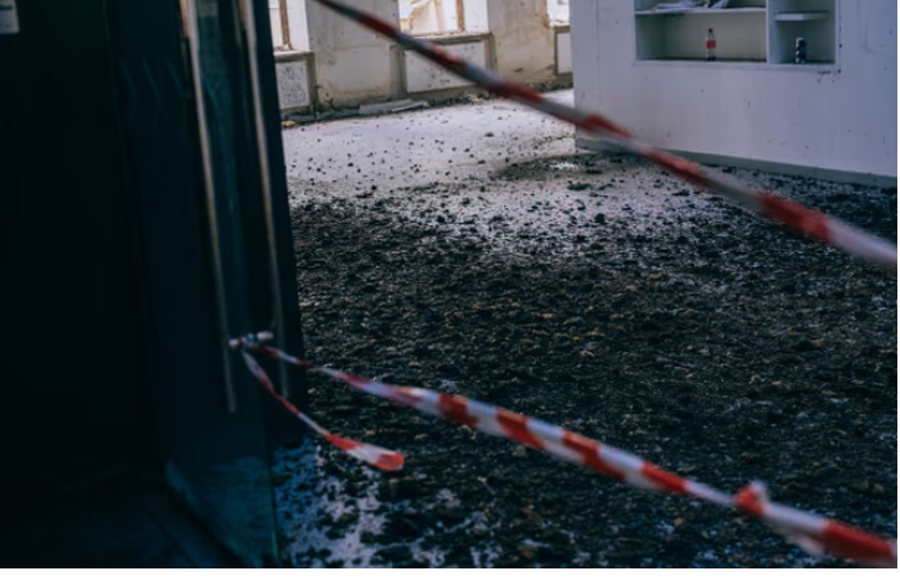
Një mbishkrim në mur që shpjegonte temën e sallës kishte mbetur i paprekur. Në përkthim ai shkruante: “Botë të humbura”.
Depot e muzeut, ku ruhen rreth 22 mijë artefakte, nuk ishin dëmtuar, tha Martynovska. Ajo shprehu gjithashtu shpresën se përqindja e humbjeve mund të rezultojë më e ulët pas vlerësimeve përfundimtare.
Në duar mbante një enë të bukur balte, të cilën ekipet e emergjencës e kishin gjetur mes rrënojave të nxira. Sipas saj, aty ishte gjetur edhe pjesa e pasme e një rakete.
Në një pjesë tjetër të qytetit, era dhe shiu hynin në ndërtesën elegante me fronton dorik të Muzeut Kombëtar të Artit të Ukrainës (NAMU).
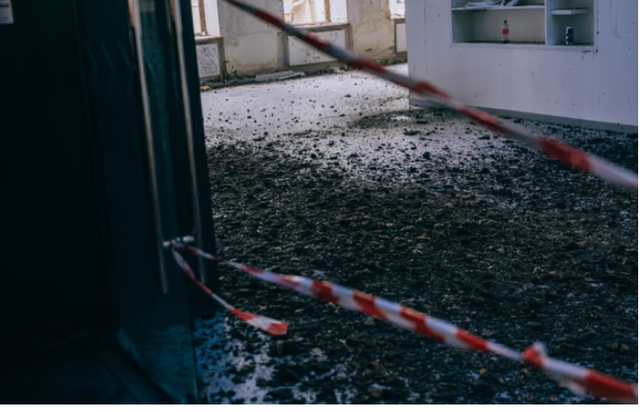
Valët goditëse kishin thyer pothuajse të gjitha dritaret, pjesë të tavaneve ishin shembur dhe panelet e dyerve të mëdha prej druri në hyrje ishin flakur në holl. Edhe statuja e Apolonit që ndodhet mbi fasadë ishte çarë.
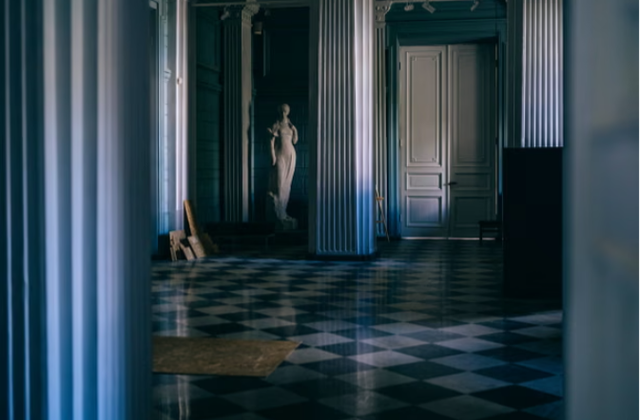
Koleksioni i muzeut, që përfshin ikona të lashta, mjeshtër të vjetër dhe modernistë ukrainas, ishte zhvendosur në depo ose ishte dërguar për ekspozita jashtë vendit.
Gjatë pushtimit në shkallë të plotë, muzeu kishte organizuar ekspozita të përkohshme. Ekspozita aktuale, “Lindja e Diellit”, me vepra të piktorit të shekullit XX Anatoly Limarev, u mbrojt nga copat e xhamit dhe mbeturinat falë mureve të përkohshme të ngritura në sallë.
Pas sulmit, ekspozita u çmontua me shpejtësi dhe u transferua në një vend të sigurt.
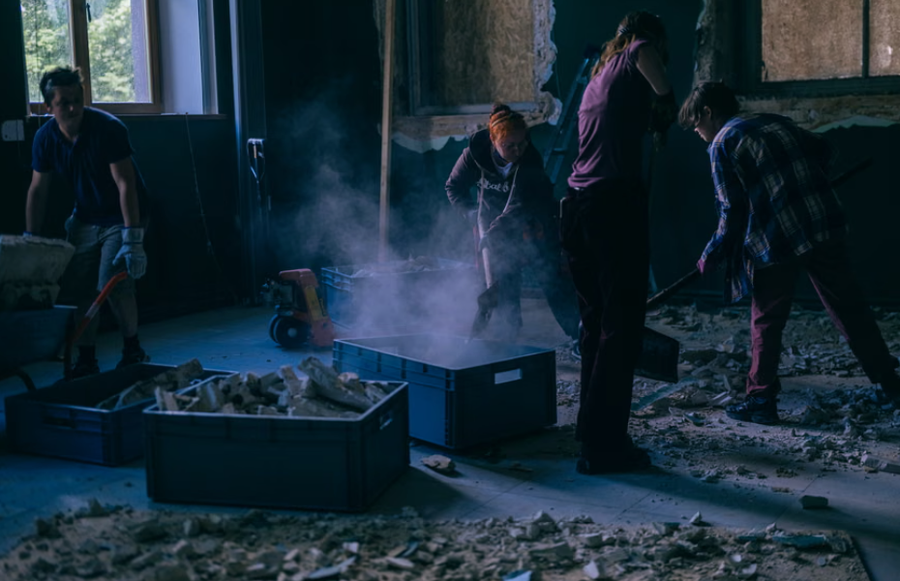
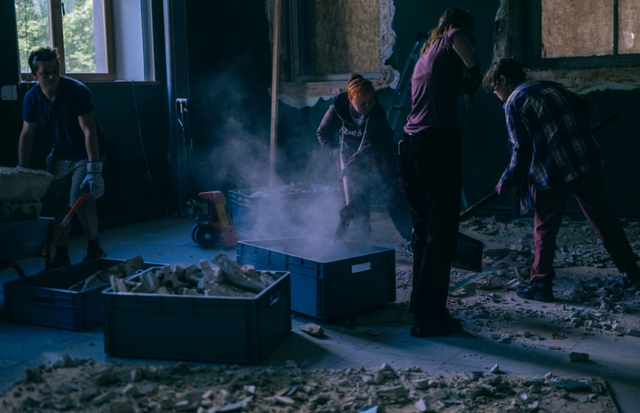
Në një nga galeritë elegante të muzeut, drejtuesi i ekspozitave, një konservator i lartë dhe dy studentë të Akademisë Kyiv-Mohyla po pastronin rrënojat.
“Pa dyshim që është një praktikë profesionale që nuk do ta harrojnë kurrë”, tha zëdhënësja e muzeut, Veronika Bublei.
Ajo kujtoi se mëngjesi i 24 majit ishte “plot stres dhe tmerr”.
“Vraponim sa andej-këtej duke u përpjekur të bënim çfarë mundnim. Nuk kishte kohë për emocione – ose ndoshta stresin e shndërruam në përpjekje për të bërë diçka praktike.
Ndihesha sikur ishim në epiqendrën e një stuhie, me të gjitha dyert dhe dritaret të shkatërruara – sikur një tornado të kishte kaluar përmes ndërtesës.”
“Ndjesia ime e parë ishte tronditja”, tha drejtoresha e muzeut, Yulia Lytvynets, e cila, si pjesa tjetër e stafit, ishte veshur me rroba pune ndërsa vazhdonte operacionin e lodhshëm të pastrimit.
“We know there is a war. Our halls are empty and the artworks are safe. But you can never be 100% prepared for something like this. Even if you hide the collection, you can’t hide the building.”
The museum was preparing for its next exhibition dedicated to modernist scenographer Anatol Petrytskyi. Now it will be held online only.
The building will remain closed to the public for an indefinite period.
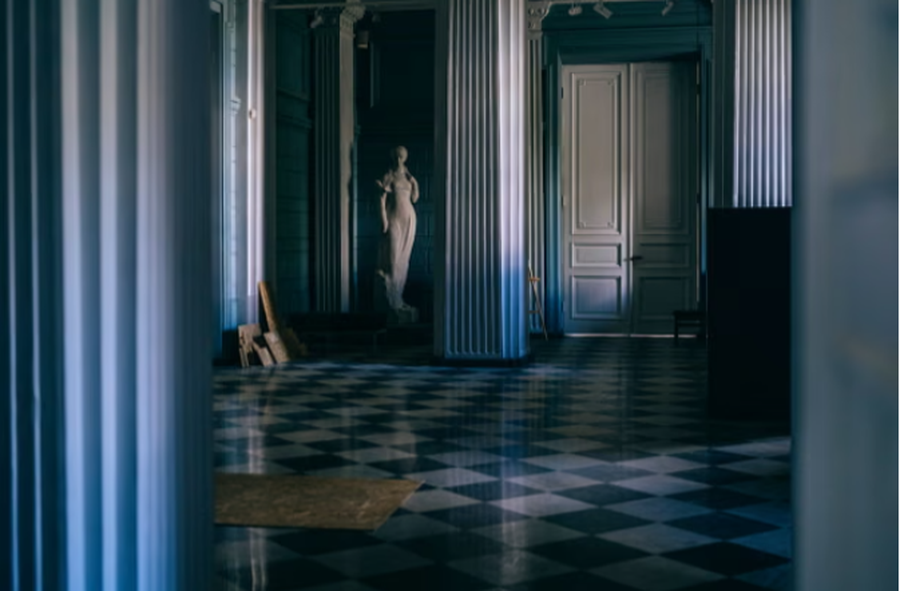
Authorities also reported damage to a number of cultural institutions and buildings, including the Zhytnyi market, a masterpiece of 1980s modernism.
This was just the latest attack that has damaged Ukraine's cultural heritage.
According to the Ukrainian Ministry of Culture, the Russian military has “destroyed or damaged 1,723 cultural heritage sites and 2,524 cultural infrastructure facilities in Ukraine” since 2022.
A large fire also engulfed a shopping mall and market in the Lukianivka district of Kiev.
At "Mala Opera", a performance hall opposite the burnt-out shopping mall, technical chief Oleksandr Buryma was placing plastic sheets over broken windows as a temporary solution.
According to him, the roof was damaged and part of the back wall had collapsed.
However, the hall, an early 20th-century building that once served as a cultural center for tram workers and is today a beloved stage for theater and music, planned to continue operating.
On May 29, the play "Railroad", by American author Bryan Reynolds, set during the rise of Nazism, was scheduled.
In this case, the show would continue, as long as this was possible. /Adapted from The Guardian /





Hitlerianet nuk demtuan Parisin e kryeqytet ku shkelen. Keta qelbesirat sllave ku shkelen nuk lane gje pa djegur. Berlinin e rrafshuan e femrat i perdhunuan 100% keta gollo ndyresira sllavo qelbashe brzhe, brzhe, mzhlla, mzhlla. Te njejten gje kane bere tere keta llumi i llumit sllavet ne Europe e Iliri historikisht.