


 Shkruar nga Pamfleti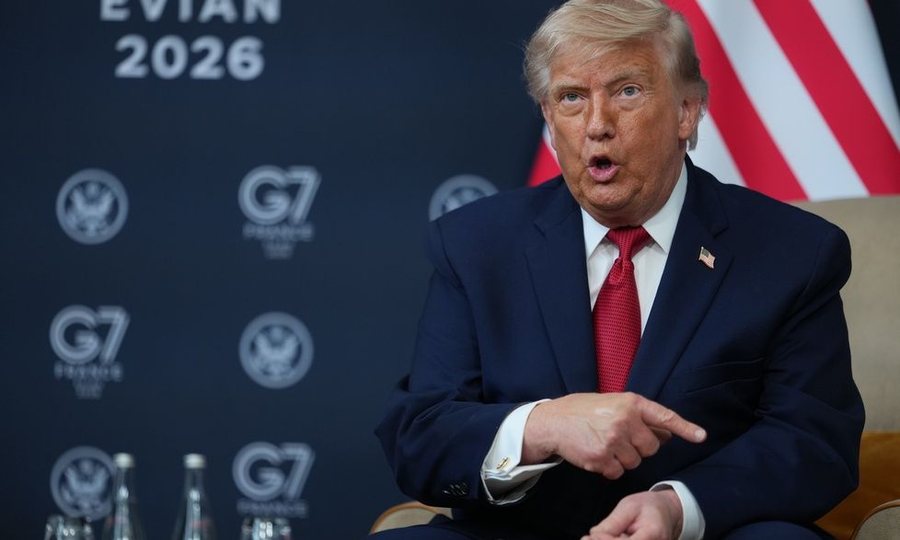
After 110 days of US and Israeli military operations against Iran, it remains unclear who won and who lost from the expected peace deal.
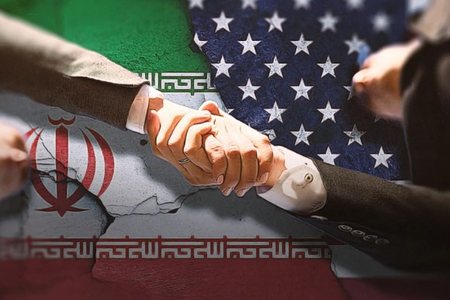
According to preliminary information from Arab and Western media, the United States and Iran are expected to halt military operations on all fronts, including Lebanon.
The agreement stipulates that Washington will lift the naval blockade of Iran within 30 days. Tehran, in turn, commits to guarantee the uninterrupted movement of commercial ships from the Persian Gulf to Oman.
The US and its regional partners, mainly the Persian Gulf countries, are committing to providing $300 billion for a plan to rebuild and develop Iran's economy. In parallel, Washington is committed to lifting all sanctions on Tehran.
Iran declares that it will not produce or acquire nuclear weapons. However, Tehran will be allowed to continue its nuclear program for electricity generation.
These are the main terms of the memorandum that aims to end the fighting and open a period of cooperation between the US and Iran.
However, some issues remain unclear. It is not yet known what will happen to Iran's enriched uranium and what mechanism will guarantee that the Iranian nuclear program is used only for peaceful purposes.
The opening of the Strait of Hormuz is expected to gradually restore international shipping and supply to industries. This could later lead to a reduction in the prices of fuel and other products that became more expensive during the war.
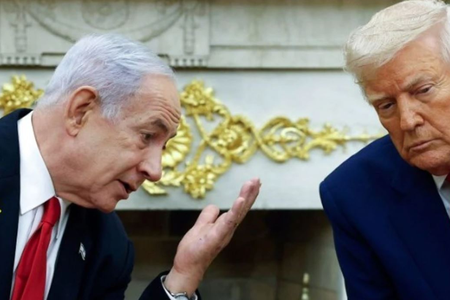
In this context, the question arises whether Donald Trump has emerged politically strengthened. Can he force Benjamin Netanyahu to stop operations against Hezbollah in Lebanon or in other areas where the Israeli military claims to be acting to protect its citizens?
The nature of the $300 billion fund also remains unclear. Will it constitute a form of compensation for war damages, or will it be primarily an investment package from Gulf Arab countries, with or without American funds?
During the bombings, when oil prices had exceeded $110 per barrel, the US president had repeatedly stated that the US was benefiting from rising fuel prices. But globally, the economic crisis caused by the war remains an open question: did it help or hurt the US economy?
Iran, meanwhile, lost hundreds of millions, perhaps even billions, of dollars from the blockade of oil and gas exports. The question is how long it will take Tehran to recoup these losses.
The deal raises more questions than it answers. Did Trump win a diplomatic victory? Did Iran accept a forced compromise? Or are all sides presenting the cessation of war as a victory for their publics? / Pamphlet /


Lini një Përgjigje