


 Shkruar nga Pamfleti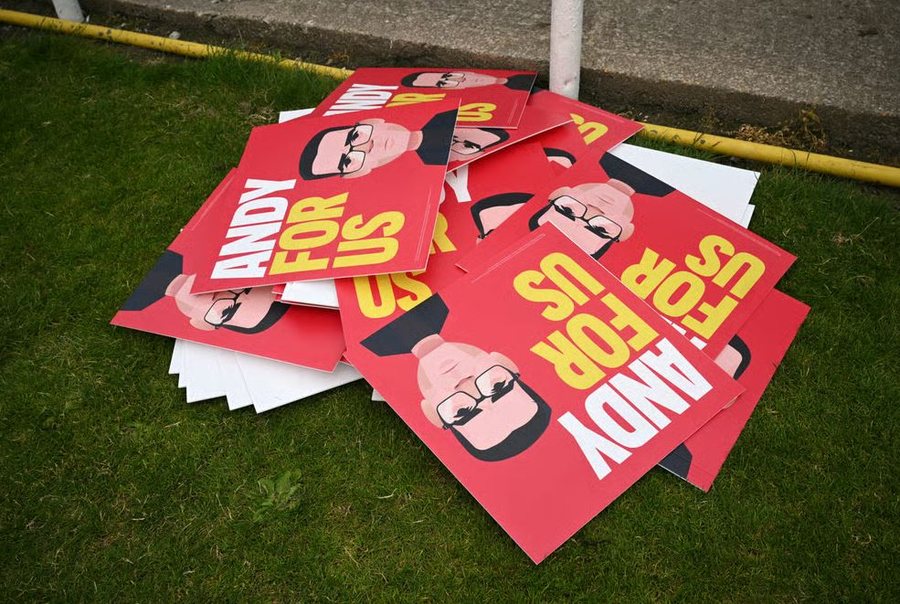
Keir Starmer has spent the past year negotiating a series of deals with Brussels. However, UK and EU officials say the talks are far from over. Here are the issues that still remain unresolved.
Andy Burnham is set to take office as Prime Minister of the United Kingdom in a few weeks. One of the first challenges he will face will be Britain's relationship with the European Union.
Outgoing Prime Minister Keir Starmer has spent the past year negotiating a package of deals with Brussels. Burnham is expected to take over as the government continues to negotiate.
The agreements were expected to be finalised at a summit scheduled for July 22. The date had been set just a week before Starmer unexpectedly announced his resignation.
The package includes an agri-food sector agreement, aimed at facilitating trade in food and drinks, linking the carbon emissions trading systems between the EU and Britain, as well as a youth mobility scheme, which would make it easier to live, study and work abroad.
In parallel, a separate agreement on electricity trade is also being negotiated, which follows a different calendar.
Allies of the Minister for Relations with the European Union, Nick Thomas-Symonds, who is leading the negotiations, say Burnham's team shares the same position as the current government on key agreements.
Thomas-Symonds himself, who hopes to remain in office, declared at a conference on Tuesday that the package of agreements "will be delivered."
However, he stressed that the summit date, already postponed due to Starmer's resignation, had been set to focus efforts and create a closing deadline for negotiations. According to British and European officials, the talks are still far from reaching a final agreement.
While negotiations on linking carbon markets and the agri-food agreement are moving in the right direction, the scheme for youth mobility is proving much more complicated.
The difficulty lies in the fact that both sides have agreed that the three main agreements should be treated as a single package and that none can be finalized without reaching agreement on all of them.
During this year's negotiations, Brussels put forward a new demand, demanding that any agreement on the movement of young people also include a reduction in university fees for students from EU countries studying at British universities.
Që prej Brexit-it, këta studentë paguajnë tarifa që arrijnë në dhjetëra mijëra paund më shumë sesa studentët britanikë. Bashkimi Evropian kërkon rikthimin e sistemit që ishte në fuqi para daljes së Britanisë nga blloku.
Londra argumenton se kjo çështje nuk ishte pjesë e mandatit negociues të miratuar vitin e kaluar dhe se universitetet britanike nuk mund të përballojnë humbjen e të ardhurave.
Grupi Russell, që përfaqëson universitetet më prestigjioze kërkimore në Mbretërinë e Bashkuar, vlerëson se një ndryshim i tillë do t'i kushtonte sektorit rreth 580 milionë paund.
Deri tani, qëndrimi i qeverisë britanike ka qenë se tarifat universitare nuk duhet të jenë pjesë e negociatave për lëvizjen e të rinjve. Megjithatë, Londra është e gatshme ta diskutojë këtë çështje në të ardhmen, nëse në këmbim merr një ofertë me përfitime të konsiderueshme ekonomike. Pyetja për Burnham do të jetë se sa e madhe duhet të jetë ajo ofertë.
Marrëveshjet kanë edhe rëndësi urgjente
Lidhja mes këtyre marrëveshjeve e rrit edhe më shumë urgjencën e negociatave. Marrëveshja për sistemin e tregtimit të emetimeve synon të lidhë tregjet e karbonit të BE-së dhe Britanisë, duke përjashtuar kompanitë britanike nga Mekanizmi i Rregullimit të Karbonit në Kufi (CBAM) i Bashkimit Evropian.
Kjo politikë po zbatohet gradualisht dhe, derisa të sigurohet përjashtimi, do të ndikojë mbi eksportet britanike me intensitet të lartë karboni drejt tregut evropian, përfshirë sektorë politikisht të ndjeshëm si industria e çelikut.
Marrëveshja për tregun e karbonit ka rezultuar më e lehtë për t'u negociuar, por kompanitë britanike mund të detyrohen të presin më gjatë dhe të përballen me kosto shtesë nëse vonohet e gjithë paketa.
Po aq e rëndësishme konsiderohet edhe marrëveshja agro-ushqimore. Qeveria britanike ka vendosur një afat ambicioz, pasi beson se ajo mund të ndihmojë në uljen e presionit mbi çmimet e ushqimeve në kushtet e krizës së kostos së jetesës.
Megjithëse disa kompani kanë shprehur dyshime për ndikimin real të saj, marrëveshja mbetet pjesë e strategjisë politike të qeverisë për të treguar se po ndërmerren masa konkrete për përballimin e kësaj sfide.
Në samit pritej të diskutoheshin edhe çështje të tjera. Industria britanike dhe ajo evropiane e automjeteve përballen me një afat deri në fund të vitit për të zgjidhur problemet në zinxhirët e furnizimit me bateri për automjetet elektrike.
Po ashtu, duhet të përfundojnë sa më shpejt negociatat për aksesin e kompanive britanike të mbrojtjes në programin e BE-së për financimin e blerjes së armëve për Ukrainën, në mënyrë që ato të mos humbasin kontrata të rëndësishme.
Përballja me proteksionizmin e BE-së
Në disa sektorë tregtarë, Burnham do të duhet të përballet me një valë të re proteksionizmi global vetëm për të ruajtur pozicionin aktual të Britanisë.
The European Union has responded to the protectionist policies of the United States and China by raising trade barriers, including new tariffs on steel and requirements for the use of European products in sectors such as the automotive industry and nuclear energy.
Britain is trying to opt out of these measures by proposing a trade alliance with the EU for the steel sector. However, it remains unclear whether Brussels will accept this proposal.
What will happen to the Brexit red lines?
Beyond technical issues, Burnham will also have to make political and strategic decisions. Will he seek further mitigation of the consequences of Brexit? Or will he aim, in the future, for Britain to move closer to European structures?
One of the main questions relates to the Labour Party's stance on the possibility of returning to the European single market, customs union and free movement.
Starmer's plan was for Britain to move closer to the EU's single market in some sectors, but it was not clear whether Brussels would accept this or view it as an attempt to take advantage of only the most advantageous parts of the relationship.
The European Union's message has been clear: the red lines that Britain has set for itself make closer ties with the bloc much more difficult.
The new prime minister will have to answer these questions at the next EU-Britain summit, if and when it is rescheduled, most likely in the fall.
Ultimately, Burnham will also have to decide what direction the Labour Party's upcoming election platform will take regarding the United Kingdom's relationship with the European Union./ Taken from "Politico"





Lini një Përgjigje