


 Shkruar nga Pamfleti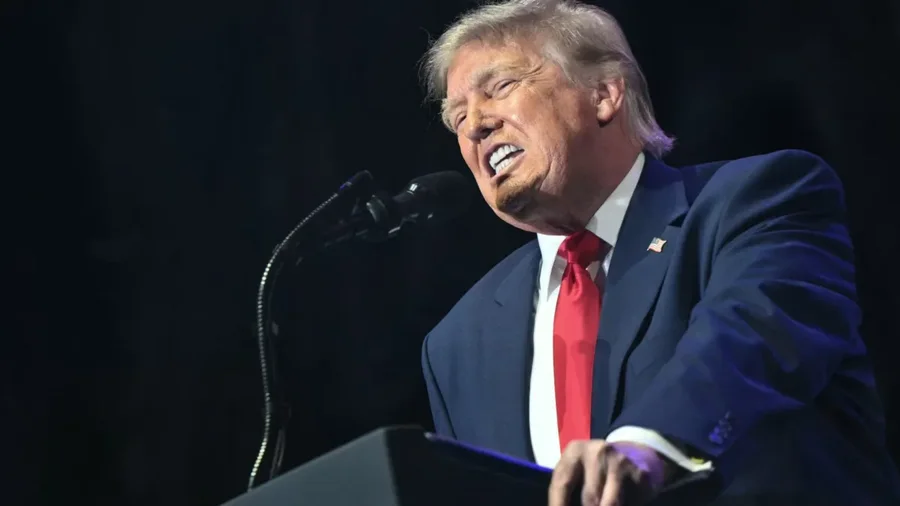
The analysis argues that the US president is trying to change voting rules to avoid Republicans losing in Congress, instead of focusing on the problems that concern voters.
US President Donald Trump is trying to secure a political advantage ahead of the midterm elections, as Republicans face the risk of losing their majority in Congress. According to an analysis by The Independent, the administration is increasingly placing emphasis on electoral reform, rather than focusing on policies that directly affect the lives of voters.
Donald Trump continues to wield considerable influence over US federal institutions. Republicans control both houses of Congress, while the Supreme Court has a conservative majority, with three of the nine justices appointed by him. However, according to an analysis by The Independent, this control has not been accompanied by much success in passing legislation.
Trump's second term has relied heavily on executive orders, which can be overturned by a future administration. For this reason, the passage of laws in Congress remains crucial to the president's political legacy.
One of the most important bills in recent months was the housing bill, supported by the White House and approved by votes from both Republicans and Democrats. According to the analysis, the law aimed to address the housing crisis, one of the biggest economic problems for millions of Americans.
However, on the day he was expected to sign it into law in the Oval Office, Trump changed his mind. He made signing the law conditional on Congress passing a package of national election reforms. These measures include mandatory voter identification and restrictions on mail-in voting.
According to the author, this development shows that the president has become more aware of the importance of the midterm elections, which are expected to take place in November. The analysis highlights that most polls and electoral models predict the loss of the Republican majority in the House of Representatives, while Democrats also have a chance of taking control of the Senate.
Such an outcome would significantly change the political balance in Washington. If Democrats win the House of Representatives, they will lead parliamentary committees and will have the authority to launch investigations into the administration, request official documents and call witnesses. If they also take the Senate, they could block new presidential appointments to the administration and the judiciary, including the Supreme Court.
The analysis notes that Republican leaders have been trying for months to persuade Trump to focus on the midterm elections. However, according to the author, the president has shown little interest in issues that concern voters, such as the cost of living and the economy. Instead, he has continued to pursue policies that, according to the analysis, have not enjoyed widespread public support.
In this context, the author argues that Trump has chosen a different strategy. Instead of trying to win voter support through new policies, he is focusing on changes to electoral rules.
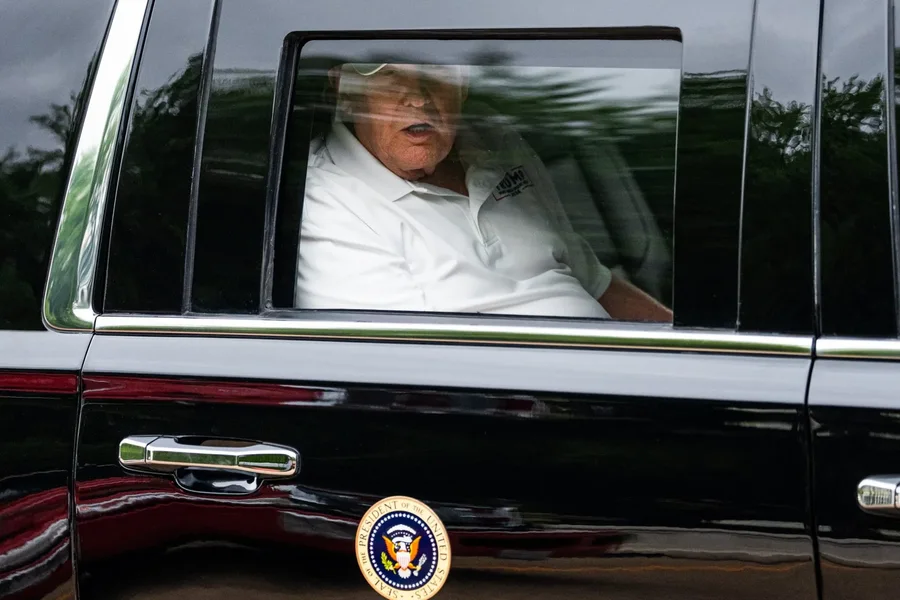
However, according to the analysis, efforts so far have not been successful. The administration has issued several executive orders to change election administration, but the courts have blocked them, arguing that organizing elections is the responsibility of the states, not the federal government. For this reason, the president needs the approval of Congress if he wants to change federal law.
The author also notes that Trump has not focused on changes that some Republicans consider more politically favorable. The analysis cites the recent Supreme Court ruling on redistricting, which, according to the author, gives Republican states more room to revise electoral maps in ways that could affect the political balance.
In contrast, the president continues to focus on mail-in voting, claiming that it favors Democrats. The analysis points out that there is no evidence to support this claim and that various studies show that a large share of Republican voters, especially older ones, also use this method of voting. Consequently, limiting mail-in voting could also affect the Republican electorate.
Trump's efforts to change the electoral rules reflect the way he is dealing with the political risk of the midterm elections. According to the analysis, the president seems more willing to demand changes to the electoral system than to change policy priorities to respond to voter concerns. The Independent estimates that the outcome of this strategy could affect not only the political fate of the Trump administration, but also the functioning of American institutions after the November elections. /Adapted Pamphlet /








Lini një Përgjigje