


 Shkruar nga Pamfleti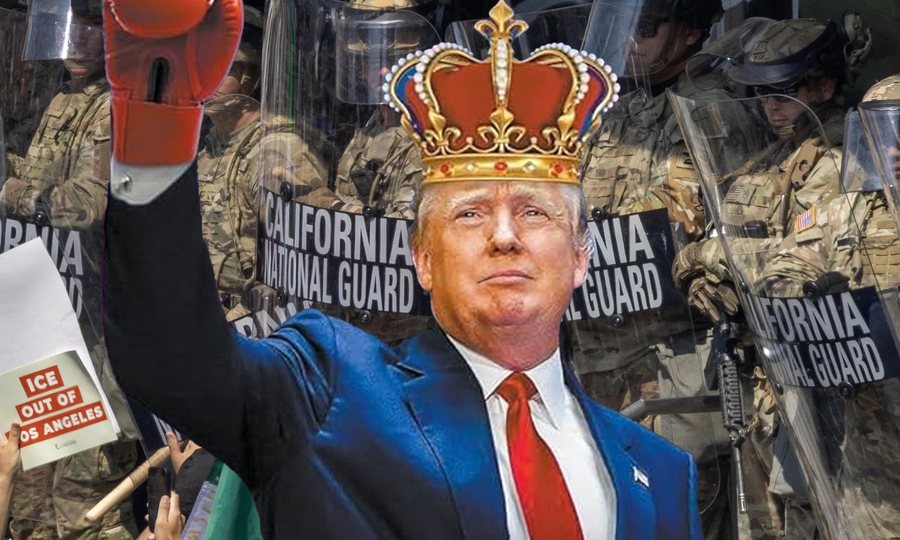
Although Trump has been given more power, he has not been crowned. A president cannot do what a king does: rule without elections, spend without approval, dissolve the courts, or eliminate the authority of local governments.
Kings rule by birth and blessing. They also rule through fear. When millions of protesters came out this month to say “No to Kings,” Donald Trump released an AI-generated video of himself being crowned, only to insist later that he “is not a king.”
So, what is the truth?
Brilyn Hollyhand takes the question directly and notes that there are no kings in America and that Trump's videos, according to him, are just entertaining mockery.
But the real question is whether Trump is seeking the kind of power that once belonged to monarchs. After the Supreme Court’s decision in Trump v. United States, presidents enjoy absolute immunity for essential constitutional acts and presumed immunity for other official acts, making it even harder to challenge concentrated executive power.
Against this backdrop, critics say Trump is already governing like a king by demanding control over independent institutions, replacing existing staff with trusted "knights," arbitrarily punishing through tariffs and other measures, and generally creating an atmosphere of fear.
To his supporters, however, these actions represent strong and decisive leadership from a president who, after all, won a popular majority in the last election. They see a leader who removes obstacles to deliver results.
Although Trump is not a king on paper, his strategy recalls the powers once wielded by kings, especially Henry VII, the Tudor monarch who consolidated authority by weakening rival nobles, centralizing fiscal control, and reshaping the mechanisms of government.
For example, Henry used secret means to collect revenue debts, forced gifts, and fines to shift resources towards royal priorities without the consent of others.
Similarly, the Trump administration has frozen billions of dollars in foreign aid that were scheduled to be spent, thereby exercising a power (“treasury”) that theoretically belongs to Congress. Although a federal court in September ordered the funds released, the Supreme Court allowed most of the freeze to continue through the end of the fiscal year.
Mbështetësit e Trump do të thonë se këto “anulime” janë të ligjshme dhe synojnë t’i japin ekzekutivit fleksibilitet për të ndalur shpenzimet e panevojshme. Në këtë mënyrë, ngrirja e fondeve shihet si një veprim i vendosur në shërbim të votuesve të tij. Dhe, meqë Kongresi mund të refuzojë çdo anulim me ligj, pushteti i tij nuk është i pakufizuar.
Por administrata ka ri-klasifikuar poste kyçe, ka kufizuar mbrojtjet e shërbimit civil dhe ka zhvendosur autoritetin nga ekspertët karrieristë te ndihmësit besnikë. Juristët e agjencive po rishkruajnë udhëzimet, shkencëtarët po zbusin raportet e rrezikut, dhe zyrtarët e etikës po rishikojnë opinionet derisa të jenë politikisht të pranueshme.
Mosmarrëveshjet që dikur trajtoheshin në seanca dëgjimore apo nga inspektorët e përgjithshëm, tani po zgjidhen në mënyrë private, duke lënë pak gjurmë publike.
Qëllimi i një sistemi meritash është të parandalojë që qeveria të funksionojë si një oborr mbretëror, ku besnikëria ka më shumë peshë se aftësia. Kur favorizohen njerëz të afërt në vend të profesionistëve me përvojë, vendimet bazohen në lidhje personale, jo në ekspertizë, dhe mbikëqyrja dobësohet.
Nën Trump, zyrtarët e përkohshëm po mbushin gjithnjë e më shumë postet që kërkojnë miratim nga Senati, periudhat e komenteve publike janë shkurtuar nga 60 në 30 ditë, dhe njoftimet shpesh nxirren me nxitim.
Sërish, mbështetësit e Trump do të argumentonin se këto ndryshime prishin rezistencën burokratike dhe lejojnë drejtuesit e zgjedhur të zbatojnë programin për të cilin janë votuar. Por të tjerë shohin një përqendrim të pushtetit më monarkik, edhe pse teknikisht ligjor. Rregullat ekzistojnë për ta detyruar pushtetin të justifikohet publikisht - ndaj agjencitë duhet të propozojnë veprime, të ftojnë komente dhe të publikojnë arsyetimet e tyre.
Por çdo hap po kompresohet aq shumë sa funksionon vetëm formalisht, si një alibi e jo si mjet llogaridhënieje.
Ashtu si Henri VII që mbushte postet me besnikë ose i linte bosh, vakancat e zgjatura në rolet e inspektorëve të përgjithshëm kanë ngadalësuar hetimet, ndërsa drejtuesit e përkohshëm pa mbështetje politike kanë hezituar të zbatojnë rregullat.
Ligjet për lirinë e informimit ekzistojnë ende, por vonesat e gjata dhe refuzimet më të shpeshta i kanë dobësuar ato, duke kujtuar zakonet Tudor të ruajtjes së formave ligjore, por boshatisjes së përmbajtjes.
Ligji është menduar për ta kufizuar pushtetin, por këto kufizime zbuten kur ekzekutivi mbështetet në imunitet të plotë për aktet zyrtare, falje për aleatët dhe ndjekje gjyqësore të kundërshtarëve. Edhe pse protesta mbetet ligjore dhe e dukshme, mbrojtja e këtyre të drejtave varet nga zbatimi i barabartë.
Nëse aleatët trajtohen më butë se kritikët, atëherë ato të drejta nuk janë më të barabarta dhe aktorë të ndryshëm, biznese, organizata jofitimprurëse, zyrtarë vendorë mund të ndryshojnë sjelljen për të shmangur përplasjen.
The United States still has institutional safeguards—courts that sometimes challenge the executive branch, states and cities that respond, journalists that expose abuses, citizens that protest, and a Congress that can reassert its constitutional powers. But these mechanisms will erode if neglected. In Henry VII’s England, institutions with venerable names were hollowed out from within. The same can happen in a modern republic if citizens do not use the tools at their disposal.
Recent court decisions have undermined these protections, not only by granting immunity for official acts, but also by narrowing the rules of evidence, making it easier to fire officials, limiting the authority of agencies, and using emergency rulings to freeze funds until they expire.
However, even though Trump has been given more power, he has not been crowned. A president cannot do what a king does: rule without elections, spend without approval, dissolve the courts, or eliminate the authority of local governments.
The debate will continue between those who see Trump's tactics as legitimate ways to untie bureaucratic knots and keep promises, and those who see them as a strategy to eliminate transparency and oversight, leaving institutions formally intact but changed in function.
The question is not about crowns and titles, but about whether the presidency is becoming the sole place where national decisions are made. This battle is taking place today in budgets, appointments, and many other processes of civil administration.
In the end, it matters less whether Trump sees himself as a king than whether Congress, the courts, the business community, and the electorate allow him to behave as such./Project Syndicate





Lini një Përgjigje