


 Shkruar nga Pamfleti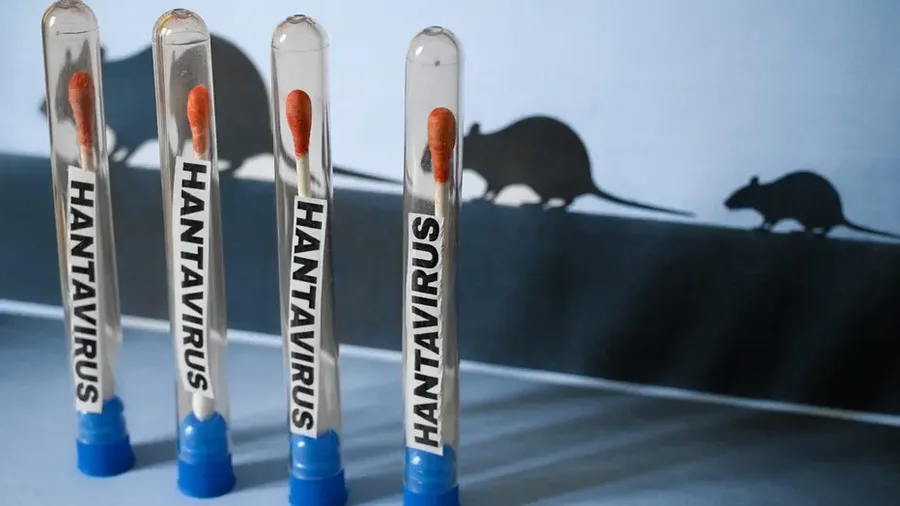
Health authorities in Spain are investigating three cases linked to the hantavirus outbreak that began on the luxury cruise ship MV Hondius, while the World Health Organization continues to assess the risk to the public as low.
The latest case in Spain involves a 32-year-old woman from the province of Alicante, who has shown mild respiratory symptoms and is being tested for hantavirus. According to authorities, test results are expected within 24 to 48 hours.
Spanish Secretary of State for Health Javier Padilla said the woman had been sitting two rows behind a Dutch passenger on a flight from Johannesburg on April 25. The Dutch passenger, who contracted the virus on board the MV Hondius, had felt unwell during the flight and later died in hospital.
Padilla stressed that the contact between them had been "very brief", as the Dutch woman had only been on the plane for a short time. However, Valencia regional authorities have begun tracing the Spanish woman's contacts in recent days.
The hantavirus outbreak is linked to a cluster of cases identified on a Dutch-flagged cruise ship that set sail from Argentina in March with about 150 passengers and crew members. The ship stopped in Antarctica and then at the island of Tristan da Cunha in the South Atlantic.
So far, three people, a Dutch couple and a German citizen, have died after being infected. Four other cases have been confirmed in the Netherlands, South Africa and Switzerland.
According to the WHO, some of the cases are caused by the "Andean" variant of hantavirus, the only type that can be transmitted between people, usually through close and prolonged contact with symptomatic people.
International experts have stressed that the virus does not spread easily and that there is no reason for alarm. However, the outbreak has put health authorities in several countries on alert, while passengers on the ship are being monitored for possible symptoms.
The ship "MV Hondius" is expected to dock in Tenerife, Canary Islands, where passengers and crew will undergo health checks according to WHO protocols.





Lini një Përgjigje