


 Shkruar nga Pamfleti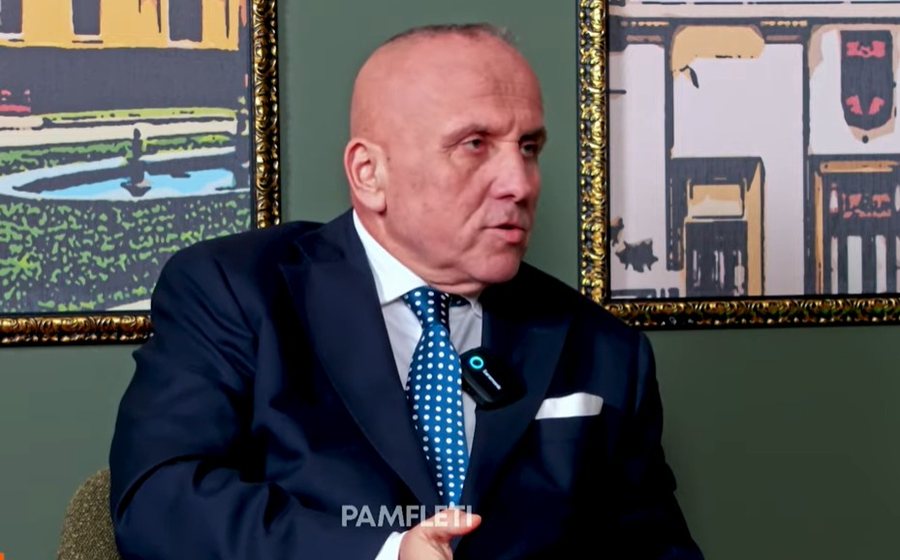
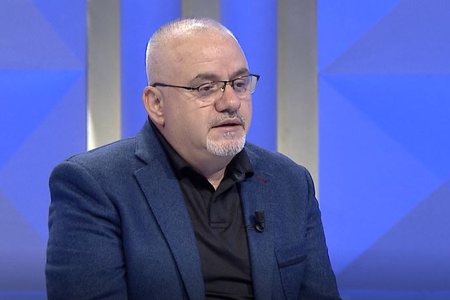
Security expert Ilir Kulla, on the show "Të Pashoq", spoke about the connections between crime and politics, but also beyond, referring to recent criminal events.
Kulla said that there is a lack of trust in law enforcement institutions, the police and the prosecution, to solve these crimes.
"The perception has been created that there is a real connection between crime and people who represent the state at different levels, whether political or technical.
You mean, this issue is just perception and this is reality. It could be both, but as the saying goes, it's better to get out or lose your eye, because we're right here at this point.
Because, by holding elections once every two years, because that's how we have elections in Albania once every two years, always going around seeking the votes of these people, of these communities, who have support, have money, have influence.
Willingly or unwillingly, politics has seated them at the table of power and they are partners at the table of power, at one time or another, with less power or more power. The problem is one of logic. Will the Albanian state have the power to cleanse itself or the Albanian institutions and calm the situation with organized crime? ", said Kulla in "Të Pashoj".
Security in the country, it seems as if assassinations have become a regular agenda. Let's say very worrying. On the other hand, state officials of the line, all the time propagate that we are the safest country. Meanwhile, ironically, that is exactly where security is targeted.
Ilir Kulla: Yes, we are safe until the day you don't have a personal enemy. Because the day you have a personal enemy, there is no one who can protect you.
This has little to do with the typology of being Albanian and has to do with the reality that has been created in Albania. But the most serious thing in this whole story, in relation to institutions, politics, crime, etc., is not beyond demagogy, words, accusations, counter-accusations, because with these we have all been made to feel like a shell, that is, that this has been the way Albanian politics has been for a lifetime.
But what makes you think is when you see that some officials who receive their salaries from the state and have, you know, the one who pays the salary, that is, the government, the state or the institution they lead, they don't give an account there, but they go and give the account to other places, either to oligarchs, or to gangs, or to businessmen. This is the worrying thing.
Because this shows the breakdown of the state. So as a result, when serious events occur, like the one in Rinas, or like the one in Elbasan and others, there is a very high level of distrust that the security institutions in the country, in this specific case the police, but also the prosecution and others, will be able to solve these things.
The perception has been created that there is a real connection between crime and people who represent the state at different levels, whether political or technical.
You mean, this issue is just perception and this is reality. It could be both, but as the saying goes, it's better to get out or lose your eye, because we're right here at this point.
Because, by holding elections once every two years, because that's how we have elections in Albania once every two years, always going around seeking the votes of these people, of these communities, who have support, have money, have influence.
Willingly or unwillingly, politics has seated them at the table of power and they are partners at the table of power, at one time or another, with less power or more power. The problem is one of logic. Will the Albanian state have the power to cleanse itself or the Albanian institutions and calm the situation with organized crime?
You know, I see the possibility as lukewarm.



Lini një Përgjigje