


 Shkruar nga Pamfleti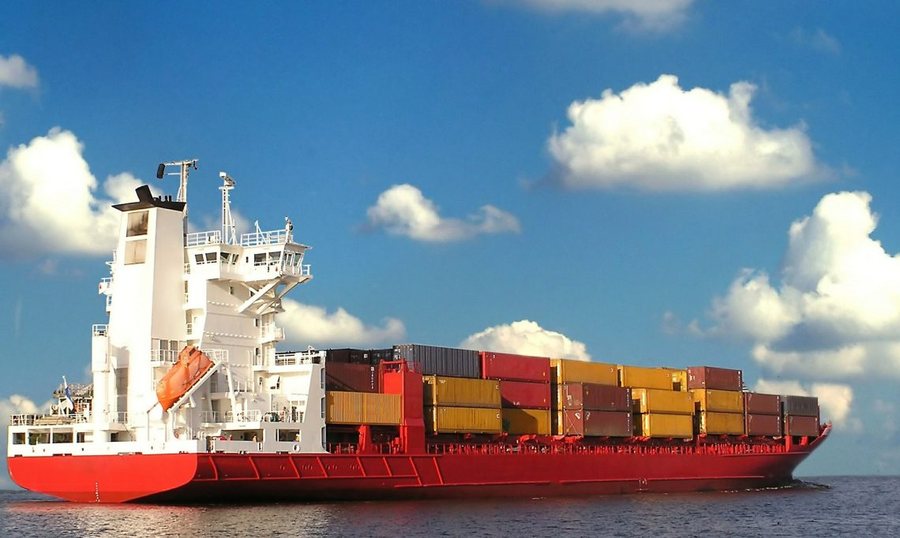
Europe must wake up to the risk of creating a new cocaine hub in West Africa, built by criminal gangs from the Western Balkans...
At first glance, the booming ports of West Africa and the criminal underworld of the Western Balkans seem like two different worlds. However, a closer look inside a container of cocoa husks – one of West Africa’s main exports – reveals a different cargo: cocaine.
Since 2019, criminal groups originating from the Western Balkans have increasingly turned to West Africa as a key transit route for cocaine trafficking. What was initially a casual trafficking point – in 2014, cocaine was shipped by small boats from northeastern Brazil to Cape Verde – has transformed into a cocaine hub for Europe and beyond. This ongoing shift has gone largely unnoticed.
A report by the Global Initiative Against Transnational Organized Crime, to which I contributed, reveals that Slavic and Albanian-speaking groups – traditionally located at key points in the cocaine supply chain [South America and Europe] – are now expanding their influence by targeting the vulnerable coasts of West Africa.
In countries such as Senegal, Gambia, Guinea-Bissau, Cape Verde and Sierra Leone, Western Balkan groups have set up infrastructure to facilitate the storage, repackaging and shipping of cocaine. The sea remains the main trafficking route, although these groups have begun to explore alternative routes, including air routes with small aircraft.
Groups from the Western Balkans use four main trafficking methods through West Africa.
The first method involves maritime routes, where cocaine shipments travel directly from South America, via West Africa, to Europe. However, a large percentage of cocaine – including multi-ton shipments – arrives in West Africa outside of containers, with the drug hidden in the hulls of ships, for example.
The non-container export method passes through the Gulf of Guinea, avoiding landfall in West Africa. The process also involves imports and warehousing in West Africa, followed by exports to Europe.
The fourth method, where cargoes are loaded into containers within West Africa, effectively avoids the increased controls on exports from South America to European ports.
Several factors have made West Africa an attractive destination for groups from the Western Balkans: it is strategically located between Brazil – a major cocaine exporter – and the overcrowded markets of Europe; meanwhile, increased law enforcement has increased the risks of direct transatlantic routes from South America to Europe – with drug seizures on these routes increasing from 201.9 tonnes in 2019 to a record 424.1 tonnes in 2023. Meanwhile, weak controls at African ports mean that less than two percent of containers are regularly inspected.
Changes in South America are also driving this shift toward West Africa. As Brazilian authorities increased controls at major ports like Santos, traffickers began redirecting cargoes to the less monitored waters of West Africa. And groups from the Western Balkans – with flexible, decentralized structures and reliable logistics networks – were ideally positioned to adapt.
The middlemen who built a cocaine empire
Common language and cultural ties serve as a basis for cooperation between groups in the Western Balkans. Two main networks dominate: one consisting of Albanian-speaking groups and the other of Slavic-speaking groups – including Serbs, Croats, Bosniaks and Montenegrins.
Currently, these networks operate through adaptable structures that facilitate broad collaboration. They are typically composed of small, tightly knit groups, with flexible memberships that typically range from 10 to 20 individuals.
The Kavac and Skaljari clans are the two main Slavic-speaking groups operating in West Africa, along with their allies. Based in Montenegro, these groups maintain extensive links with organizations in Serbia, Croatia, Slovenia, and other Balkan countries.
The Kavac clan has established a network in West Africa, while the Skaljari clan operates primarily through associates from Bosnia and Herzegovina and Albania, demonstrating a broader international presence.
On the other hand, West Africa remains largely unknown territory for Albanian groups, with the exception of the network associated with Armando Pacani.
Initially, Pacani's shipments went directly to European ports via containers. After cocaine losses and international arrest warrants, his network switched to transporting multi-ton loads from northeastern Brazil to West Africa by fishing boats in mid-2022. The network is suspected of relying on an African middleman. Pacani and his lawyers deny any involvement in criminal activities.
The organizational structure of groups involved in cocaine trafficking in West Africa includes distinct roles, usually leaders, intermediaries, and executors.
Liderët negociojnë drejtpërdrejt me prodhuesit e kokainës në Amerikën e Jugut, lëshojnë urdhra për transportin dhe mbikëqyrin çështjet financiare, përfshirë shpenzimet dhe fitimet. Ndërmjetësit koordinojnë rrugët e kontrabandës, lidhen me kontaktet në Afrikën Perëndimore dhe menaxhojnë transferimet financiare, gjithmonë duke garantuar sigurinë operacionale. Ekzekutorët – zakonisht individë lokalë nga zonat ku zhvillohen operacionet – janë përgjegjës për mbledhjen dhe dorëzimin e drogës, sigurimin e ambienteve të magazinimit dhe mirëmbajtjen e shtëpive të sigurta.
Fuqia e vërtetë që qëndron pas operacioneve të kokainës nuk janë vetëm grupet kriminale, por edhe ndërmjetësit – qoftë në terren për një kohë të gjatë apo për periudha të kufizuara. Këta ndërmjetës kanë lidhje të rëndësishme në të gjithë Afrikën Perëndimore dhe janë të lidhur, drejtpërdrejt ose tërthorazi, me rrjete mbrojtjeje në rajon. Identifikimi i ndërmjetësve është shpesh i vështirë për shkak të përdorimit të identiteteve të falsifikuara dhe nivelit të lartë të mbrojtjes që arrijnë të sigurojnë.
Ndryshe nga “bosët” e dukshëm të epokave të mëparshme, ndërmjetësit e sotëm operojnë në hije dhe me një imazh të besueshëm që mohon përfshirjen direkte. Ata lëvizin shpejt, shmangin zbulimin dhe përdorin rrjetet e ndërmjetësve lokalë. Kjo krijon një model kriminal shumë të vështirë për t’u identifikuar, por edhe më të vështirë për t’u shkatërruar.
Një figurë që mishëron rolin e ndërmjetësit është Mario Krezic, një shtetas kroato-boshnjak i lidhur me disa rrjete kriminale në të gjithë Ballkanin Perëndimor. Emri i tij shfaqet në disa akt-akuza në Serbi dhe Kroaci, dhe mesazhe të koduara të kapura nga platforma si Sky ECC dyshohet se e lidhin atë me ngarkesa të mëdha kokainë që kalojnë nëpër Afrikën Perëndimore.
Burime nga institucionet ligjzbatuese besojnë se Krezic operonte nga Freetawn, Sierra Leone, duke koordinuar logjistikën përtej Atlantikut. Ai akuzohet për organizimin e transferimeve nga anija në anije, mbikëqyrjen e importeve në zonat bregdetare, menaxhimin e magazinimit dhe futjen e drogës në kontenierë si dhe organizimin e dërgesave drejt porteve evropiane, veçanërisht në Antëerp.
Në këtë rol, Krezic dyshohet se ka shërbyer si pika kyçe e një zinxhiri global furnizimi, duke lidhur furnizuesit e Amerikës Latine, ndërmjetësit afrikanë dhe blerësit evropianë, ndërkohë që ndryshonte vazhdimisht partnerët lokalë për të shmangur zbulimin.
Rasti i tij pasqyron rolin gjithnjë e më të madh të ndërmjetësve si figura të shkathëta, me profil të ulët, që udhëheqin tregtinë e kokainës nga prapaskena. Krezic vazhdon të jetë në kërkim të autoriteteve të drejtësisë.
Çfarë vjen më pas
Grupet nga Ballkani Perëndimor po zgjerojnë praninë e tyre në Afrikën Perëndimore. Ato pritet të operojnë me më shumë pavarësi, duke u larguar nga varësia ndaj aleancave me organizata kriminale në Brazil dhe, në disa raste, në Itali. Këto grupe pritet të investojnë drejtpërdrejt në infrastrukturë dhe mbrojtje lokale.
Similar to trends observed in South America, their growing influence could lead to increased corruption, escalating violence, and fragmentation into smaller, more autonomous groups.
Europe has been slow to respond to the challenge of direct cocaine trafficking from South America and should not repeat the same mistake with West Africa. Currently, law enforcement cooperation between the Western Balkans, West Africa and the EU is fragmented. There are no dedicated networks for information exchange, while local capacities in African countries remain underfunded.
The consequences can be serious.
Cocaine bound for Europe can increasingly be purchased directly from warehouses in West Africa. In this scenario, West Africa will no longer be just a transit zone, but will become a cocaine market. Even emerging markets such as Asia and Australia have begun to report shipments traced to the Gulf of Guinea. If this situation is not addressed, it could accelerate the fragmentation of cocaine trafficking networks, trigger new waves of violence, and create entrenched criminal enclaves on both sides of the Atlantic.
To avoid this worst-case scenario, the EU and the Western Balkans need to invest in long-term cross-continental cooperation with African partners – not only through donor-funded workshops, but also through meaningful intelligence sharing, joint naval operations, and coordinated sanctions against key brokers.
Financial intelligence must keep pace with the war on drugs.
Tracing the money trail of these networks requires more skills from law enforcement structures. The strategic target should be the middlemen and their supply chains. Too often, drug seizures are celebrated while the real architects of the trafficking remain free.
Interrupting the human logistics of this market – not just seizing the drugs – is key to stopping its momentum. /BIRN/






Lini një Përgjigje