


 Shkruar nga Pamfleti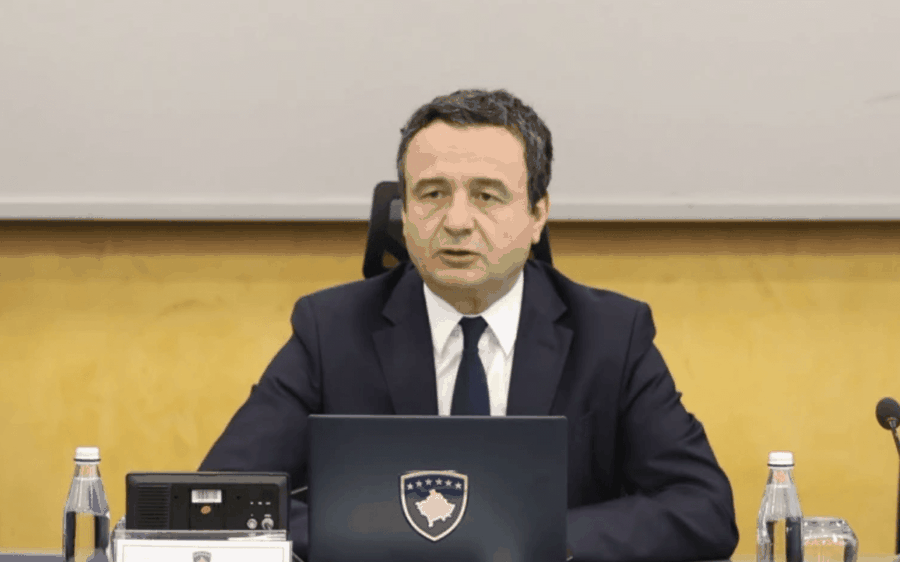
At the European level, the interventions of Emmanuel Macron and Friedrich Merz show that France and Germany are seeking to keep the dialogue framework active without returning, at least for the moment, to high-intensity public rhetoric...
The interventions from Paris and Berlin confirm the consistent European position that Kosovo’s path towards the European Union remains linked to progress in the dialogue with Serbia. The political risk remains moderate, not because of any immediate escalation of pressure, but because the main obligations remain in force. A key moment will be the implementation of the Brussels and Ohrid Agreements, together with the continuation of administrative measures regarding the Serbian community. The main indicator to follow is whether the Kurti government’s next steps will remain within the framework of technical and institutional agreements, or whether the political issue of the Association of Serb-majority Municipalities will be reopened in a more direct manner.
The congratulatory letters sent by Emmanuel Macron and Friedrich Merz to Albin Kurti following his re-election as head of the Kosovo government included clear references to the dialogue with Serbia and its connection to the country’s European trajectory. Although formulated as diplomatic messages marking the start of a new government mandate, both interventions bring back into focus the view that Kosovo’s progress in its relations with the European Union remains closely linked to progress in the normalization process with Belgrade.
Friedrich Merz referred to the difficult decisions facing the new Kosovo government in advancing the country's Euro-Atlantic integration, placing within this framework the need for further progress in the EU-mediated dialogue with Serbia. Emmanuel Macron, for his part, pointed to the Brussels and Ohrid Agreements, noting that the framework has already been defined and that the implementation of the commitments is a matter for both parties.
The convergence of the two letters shows that Paris and Berlin continue to see the Kosovo-Serbia dialogue as a central element of Kosovo's European path. This message does not constitute a new position, but rather a reaffirmation of a consistent European line, according to which the implementation of the commitments agreed in the framework of the dialogue remains a key criterion for further rapprochement with the European Union.
Of particular interest is the way these interventions were formulated. Compared to previous periods, especially in 2022 and 2023, when pressure on Pristina was more direct and often focused on the Association of Serb-majority Municipalities, the current formulation seems more balanced and less sharp.
Kjo nuk e ndryshon përmbajtjen e pritjeve evropiane, por tregon një ndryshim në ton dhe në metodën përmes së cilës ato po ripërsëriten.
Ky ndryshim përkon me një periudhë në të cilën qeveria e Kosovës po zbaton masa të caktuara administrative dhe institucionale në lidhje me komunitetin serb. Këto përfshijnë regjistrat e gjendjes civile të lëshuara nga regjistrat paralelë serbe, si dhe mundësinë e dhënies së lejeve të qëndrimit për punonjësit në sektorët e shëndetësisë dhe arsimit të financuara nga Serbia. Këto masa kanë marrë mbështetje nga Bashkimi Evropian, Gjermania dhe Franca, shkruan IBNA.
Brenda Kosovës, këto lëvizje janë pjesë e një debati më të gjerë se si çështjet që lidhen me komunitetin serb mund të përparojnë pa rihapur një përballje të mprehtë politike mbi modelin institucional të Asociacionit të Komunave me shumicë serbe. Disa analistë argumentojnë se integrimi gradual i funksioneve specifike në sistemin institucional të Kosovës mund të formësojë gjithashtu fushëveprimin e çdo zgjidhjeje të ardhshme. Megjithatë, ky vlerësim mbetet i lidhur ngushtë me rrjedhën e ardhshme të dialogut dhe me vendimet që duhen marrë në nivel politik.
Në nivel evropian, ndërhyrjet e Emmanuel Macron dhe Friedrich Merz tregojnë që Franca dhe Gjermania po kërkojnë ta mbajnë aktiv kornizën e dialogut pa u rikthye, të paktën për momentin, te retorika publike me intensitet të lartë. Kjo qasje mund të shihet si një përpjekje për të ruajtur hapësirën për angazhim me qeverinë Kurti, duke ruajtur njëkohësisht kërkesën evropiane për zbatimin e angazhimeve të dakordësuara tashmë.
Për sistemin e brendshëm politik të Kosovës, kjo krijon një mjedis kompleks. Nga njëra anë, qeveria Kurti mund të menaxhojë ndërhyrjet evropiane pa tensionin e menjëhershëm që karakterizonte fazat e mëparshme. Nga ana tjetër, përmbajtja e mesazhit evropian mbetet e pandryshuar: përparimi në dialogun me Serbinë vazhdon të lidhet me pozicionin e Kosovës brenda kornizës evropiane. Kjo do të thotë që hapësira për vendime të vështira politike nuk është zhdukur, por po zhvendoset në fazën tjetër të zbatimit.
Opozita në Kosovë pritet ta ndjekë nga afër këtë proces, veçanërisht në lidhje me çdo zhvillim që ka të bëjë me komunitetin serb dhe detyrimet që rrjedhin nga dialogu. Nëse qeveria do të jetë në gjendje t'i paraqesë hapat e saj si përshtatje administrative dhe institucionale brenda kornizës ekzistuese, apo nëse do të përballet me akuza për lëshime politike, do të varet nga përmbajtja e lëvizjeve të saj të ardhshme dhe nga mënyra se si ato perceptohen brenda vendit.
Overall, the letters from Emmanuel Macron and Friedrich Merz confirm that France and Germany are maintaining a strong link between the Kosovo-Serbia dialogue and Pristina's European path, while at this stage opting for a more measured tone. For Kosovo, the main issue is not only how these interventions are interpreted, but also how the Kurti government's next steps will be translated into practice, both in the dialogue process and at the domestic political level. /Adapted Pamphlet /




Lini një Përgjigje