


 Shkruar nga Pamfleti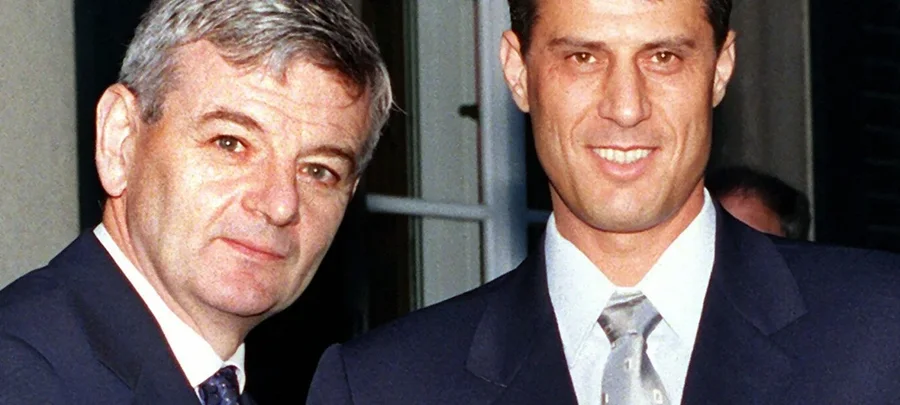
The case of former Kosovo President Hashim Thaçi at the Hague Tribunal raises questions about NATO's role during the 1999 war.
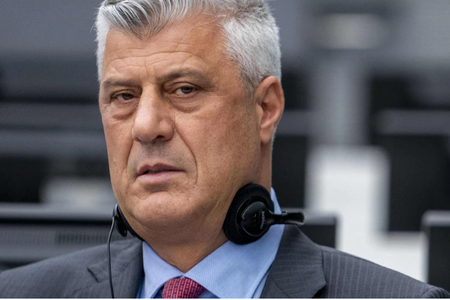
When NATO bombed Serbia in 1999, Hashim Thaçi was its most important partner in Kosovo. Today, a special tribunal is examining whether he himself is a war criminal. We had the opportunity to ask him about it.
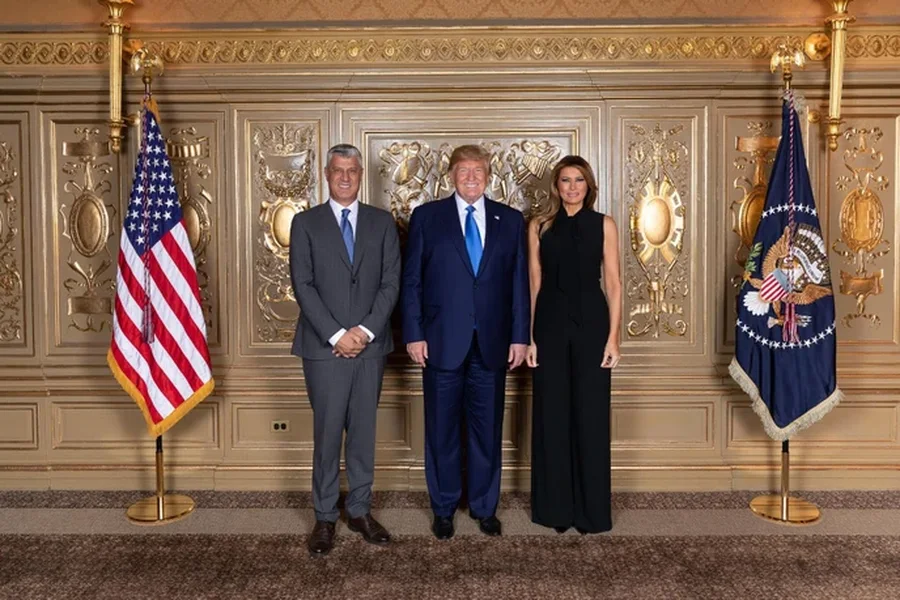
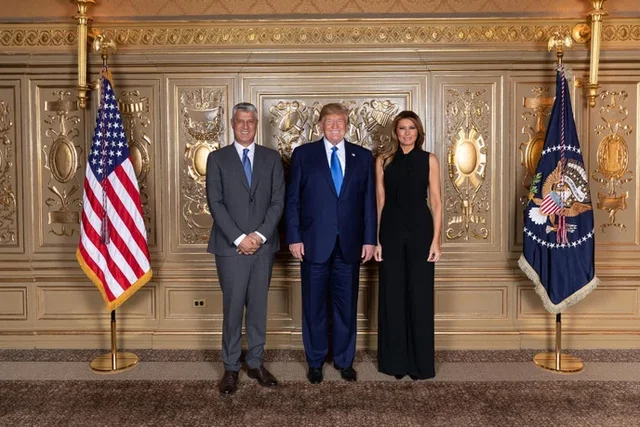
This story could be that of a war criminal, or of a major legal failure. Which one it is, cannot yet be said. What is certain is that it begins on June 24, 2020, when Hashim Thaçi, then president of Kosovo, was on his way to Washington, where he was welcomed at the White House by Donald Trump.
Trump intended, at the end of his first term, to announce one of his famous agreements, in this case a purported historic reconciliation between Serbia and Kosovo, brokered by Richard Grenell, the US ambassador to Germany and also special envoy for the talks between Belgrade and Pristina. Thaçi would sign the agreement on behalf of Kosovo, while Serbian President Aleksandar Vučić would sign it for Serbia.
However, Thaçi never arrived in Washington. Along the way, he was informed that the Special Tribunal for Kosovo in The Hague intended to indict him for war crimes. Chief Prosecutor Jack Smith made this public, although the request had not yet been confirmed by the court, perhaps assuming that the news itself would deter Thaçi from traveling. This is what happened: Thaçi cut short his trip.
Smith later became internationally known for his investigations into Donald Trump in connection with the attack on the Capitol and the secret documents at Mar-a-Lago. At the time, Trump and his associates considered Smith an adversary. They interpreted the indictment against Thaçi, especially its rapid publication, as an attempt to sabotage the planned agreement between Serbia and Kosovo.
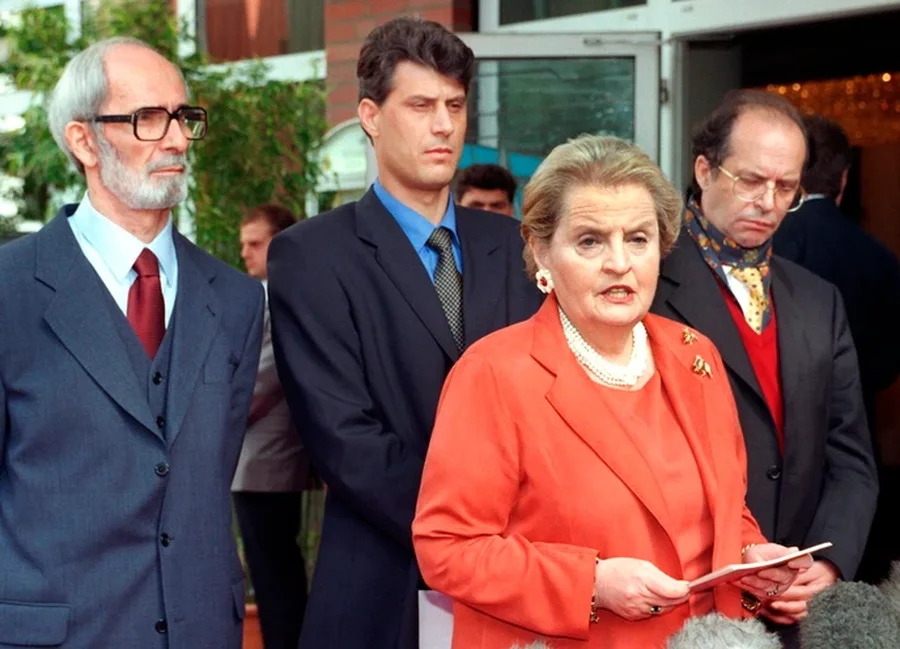
The accusations against Thaçi are serious.
Regardless of the possible motives, the indictment made public in June 2020 was confirmed by the court five months later. Thaçi immediately resigned and surrendered to the tribunal. He and three co-accused face serious charges: war crimes, crimes against humanity, kidnappings, torture, inhuman treatment and murder on 102 counts.
According to the indictment, these crimes were committed by members of the Kosovo Liberation Army (KLA), an organization for which Thaçi was a spokesman. Between March 1998 and September 1999, according to the prosecution, the KLA acted with violence against Kosovo Serbs, but also against Roma and Albanians suspected of collaborating with Serbia.
Nëse këto akuza provohen, ato do të kenë pasoja politike dhe historike për Perëndimin. Në vitin 1999, Thaçi ishte partneri kryesor i NATO-s gjatë bombardimeve 11-javore kundër Serbisë, ku mori pjesë edhe Bundeswehri. Një dënim do të nënkuptonte se NATO bashkëpunoi me një kriminel lufte në përpjekjen për të ndalur regjimin e Slobodan Milošević.
Për qeverinë gjermane të asaj kohe, të drejtuar nga kancelari Gerhard Schröder dhe ministri i Jashtëm Joschka Fischer, Thaçi mbeti një partner i rëndësishëm edhe pas luftës. Megjithatë, mbetet e paqartë nëse ai mban përgjegjësi për krimet e përshkruara në aktakuzë.
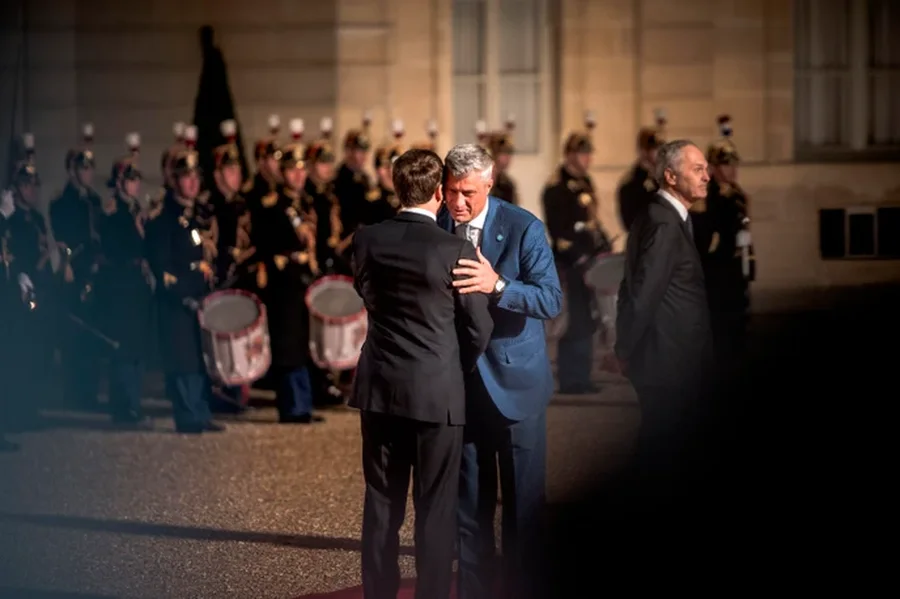
Thaçi i mohon akuzat dhe shpreh gatishmëri për të folur për to. Që në fillim të vitit 2023, u ofrua mundësia për një intervistë me të në burg. Megjithatë, burime në Kosovë paralajmëruan se një intervistë në atë fazë mund të ndikonte te dëshmitarët. Për këtë arsye, redaksia vendosi të presë deri në përfundimin e dëshmive.
Ndërkohë, rregullat e tribunalit u ashpërsuan, pasi dyshohej se Thaçi kishte tentuar të ndikonte dëshmitarët përmes vizitorëve. Si rrjedhojë, një intervistë e drejtpërdrejtë nuk ishte më e mundur. Pyetjet u dërguan me shkrim dhe përgjigjet u publikuan vetëm pasi u miratuan nga gjykata, pa ndryshime apo shtesa.
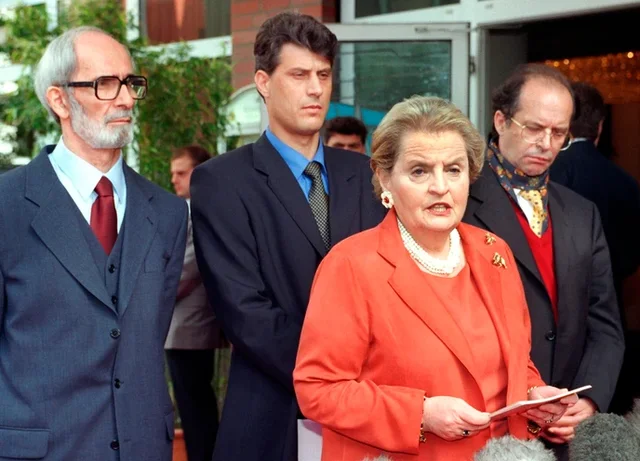
Në përgjigjet e tij, Thaçi thekson se ndërhyrja e NATO-s në vitin 1999 ishte e bazuar në vlera themelore si liria, drejtësia, të drejtat e njeriut dhe mbrojtja e jetës. Ai shpreh keqardhje që figura si Madeleine Albright dhe Richard Holbrooke nuk janë më gjallë për të dëshmuar mbi kontekstin e asaj kohe.
Ai kujton se Serbia sulmoi Kosovën dhe se populli i Kosovës bëri rezistencë. Sipas tij, pa këtë rezistencë dhe pa ndërhyrjen e NATO-s, Kosova nuk do të ekzistonte sot dhe shqiptarët e Kosovës nuk do të mbijetonin si popull.
Në atë kohë, liderët perëndimorë kishin parasysh edhe masakrën e Srebrenicës të vitit 1995, ku më shumë se 7000 myslimanë boshnjakë u vranë nga forcat serbe. Ndërhyrja në Kosovë synonte të parandalonte një tragjedi të ngjashme.
Ndërkohë, disa zyrtarë të lartë serbë janë dënuar nga Tribunali i Hagës me më shumë se 100 vite burg në total. Milosheviç vdiq para shpalljes së vendimit. Për rastet që lidhen me UÇK-në, u krijua një tribunal i veçantë, pasi në Kosovë proceset gjyqësore konsideroheshin të pamundura për shkak të presionit ndaj dëshmitarëve.
Megjithatë, ekziston rreziku që procesi ndaj Thaçit të shtrembërojë perceptimin historik të konfliktit, duke krijuar përshtypjen se të dyja palët kanë kryer krime të barabarta. Sipas analizës, kjo do të ishte e pasaktë duke pasur parasysh dhunën sistematike të shtetit serb ndaj shqiptarëve të Kosovës.
Thaçi kritikon gjithashtu përdorimin e provave që, sipas tij, burojnë nga propaganda e regjimit të Milošević-it dhe paralajmëron për rrezikun e përdorimit të narrativave të ngjashme në konflikte të tjera, si ai në Ukrainë.
His defense does not deny that some KLA members may have committed crimes, but argues that the organization did not have a clear command structure. According to this logic, Thaçi, as spokesman and negotiator, had no control over actions on the ground.
International witnesses, including former NATO commander Wesley Clark, have testified in his favor, stating that he had no military command role and that the KLA did not function as an organized army, but as a decentralized structure.
However, a fundamental question remains: in addition to the documented crimes of Serbian forces, there are also crimes committed by members of the KLA against Serbs, Roma and Albanians. If Thaçi cannot be held accountable for them, who should be held accountable? Thaçi has not answered this question. Will someone else do it – or will these crimes go unpunished? /Adapted from Pamphlet by FAZ /


Lini një Përgjigje