


 Shkruar nga Pamfleti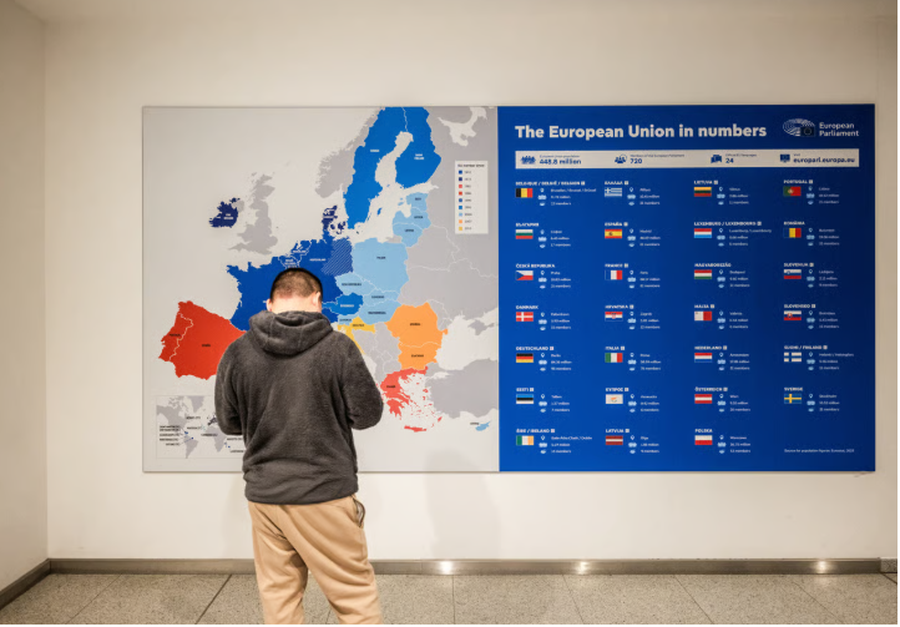
European leaders avoid debate on new memberships for fear of populist rhetoric and far-right influence
Fears of populist forces are pushing European governments to oppose the expansion of the European Union, while leaders fear that the debate over admitting new countries could bring back rhetoric similar to that of the "Polish plumber" and strengthen the far right.
European Commission President Ursula von der Leyen's vision of a significantly enlarged EU, including Ukraine, is facing a serious obstacle: many member states do not want to discuss the issue.
Fear of giving in to populists, the prospect of national referendums for any new member and the difficult experience with Hungary since its 2004 accession are contributing to this hesitation in some EU capitals, according to nine diplomats and officials who spoke to Politico. No country has joined the union since 2013, when Croatia joined.
Enlargement, an initiative led by von der Leyen, was due to be discussed at an EU summit in Nicosia, Cyprus, later this month. However, according to a senior official involved in the preparations, the topic is unlikely to be included on the agenda, indicating a lack of will on the part of leaders.
"Enlargement must remain a demanding and merit-based process to guarantee its success and credibility," French Minister for European Affairs Benjamin Haddad told Politico.
The main concern for governments is the political backlash that any leader who opens the debate on new memberships at the national level could face, according to several diplomats and a senior official involved in the process.
In many capitals, there is a fear of a repeat of the "Polish hydraulics" debate that preceded Poland's accession in 2004, when some politicians argued that cheaper labor from Poland would replace high-wage jobs in Western Europe.
“Similar semi-populist and semi-xenophobic arguments that we heard about the Poles are likely to be heard about the Ukrainians and other candidates ,” said a diplomat from a mid-sized EU country, who added, “who are these people? What will they do in our club? Will they come to take our jobs?”
This concern is particularly strong in France, where the law requires a referendum on the admission of any new member. A vote on Ukraine could affect the campaign of populist right-wing leader Jordan Bardella, who polls suggest could win the first round of the 2027 presidential election.
Megjithatë, Franca nuk është e vetme. Diplomatët e BE-së theksojnë se edhe Gjermania, Holanda dhe Italia këmbëngulin që procesi i zgjerimit të mbetet i rreptë dhe i bazuar në meritë, pa përjashtime për arsye gjeopolitike, edhe pse e kuptojnë presionin mbi vende si Ukraina dhe Moldavia.
“Sigurisht që nuk duam të dobësojmë presidentin ukrainas Volodymyr Zelenskyy, por shumica dërrmuese e vendeve anëtare nuk kanë dëshirë për këtë debat tani”, tha një diplomat i lartë nga një vend i madh evropian.
Fitorja e Peter Magyar në zgjedhjet hungareze, duke i dhënë fund 16 viteve të sundimit të Viktor Orbán, ringjalli shpresat se Budapesti mund të zbusë kundërshtimin ndaj anëtarësimit të Ukrainës. Megjithatë, Magyar ka sinjalizuar se nuk mbështet përshpejtimin e këtij procesi.
Një tjetër shqetësim i shpeshtë është përvoja me Hungarinë si një partner që shpesh pengon vendimmarrjen. Pas anëtarësimit në vitin 2004, vendi është akuzuar për kufizimin e demokracisë dhe për mbajtjen e lidhjeve me Rusinë, si dhe për bllokimin e mbështetjes evropiane për Ukrainën.
Pranimi i vendeve të reja ngre gjithashtu frikën për hyrjen e “kuajve të Trojës” që mund të përdorin të drejtën e vetos. Për këtë arsye, Komisioni Evropian synon të reformojë procesin, për shembull duke kufizuar të drejtën e vetos për anëtarët e rinj për disa vite pas pranimit.
Pak kohë më parë, Kryeministri Edi Rama dhe Presidenti serb, Aleksandar Vuçiç, përmes një editoriali në median gjermane, hodhën propozimin për një përshpejtim të procesit të anëtarësimit, pa të drejtë vetoje, por kjo ide është refuzuar në mënyrë kategorike nga Brukseli.
Rama në anën tjetër flet me nota optimiste për integrimin, ndërsa akuzon opozitën se me akuzat e saj po hedh baltë mbi Shqipërinë. Por opozita akuzon Ramën se ka bllokuar procesin e integrimit me ndërhyrjet dhe pengesat që po i bën drejtësisë në ndjekjen e zyrtarëve të lartë.
Por në analizën që Politico i bën procesit, Shqipëria duket se ka mbetur jashtë "liste", teksa vëmendja ndalet tek Mali i Zi, Ukraina dhe Moldavia. Këto dy të fundit si vende që mund të anëtarësohen për shkak të zhvillimeve gjeopolitike.
Duke marrë parasysh klimën politike në kryeqytetet kryesore të BE-së, von der Leyen deklaroi se mbështet heqjen e rregullit të unanimitetit, i cili aktualisht lejon një vend të vetëm të bllokojë procesin e anëtarësimit.
Ndërkohë, edhe Mali i Zi, i cili ka përmbushur pothuajse të gjitha kushtet për anëtarësim, po përballet me vonesa në fazat përfundimtare, pasi vendet anëtare nuk bien dakord për hapin e radhës: hartimin e traktatit të anëtarësimit.
Kjo situatë paraqet sfida edhe për Ukrainën, e cila e sheh anëtarësimin në BE si një garanci sigurie ndaj agresionit të ardhshëm rus. Një marrëveshje e mundshme paqeje mund të përfshijë perspektivën e anëtarësimit deri në vitin 2027, si një stimul për opinionin publik ukrainas.
However, EU countries have opposed such an acceleration, rejecting a radical approach that would shorten the accession deadlines. Although some countries such as Sweden and Denmark support concluding negotiations by the end of next year, opening the final phase requires the approval of large member states.
"We are not at that point yet," concluded a senior EU official. / Pamphlet /


Lini një Përgjigje