


 Shkruar nga Enver Robelli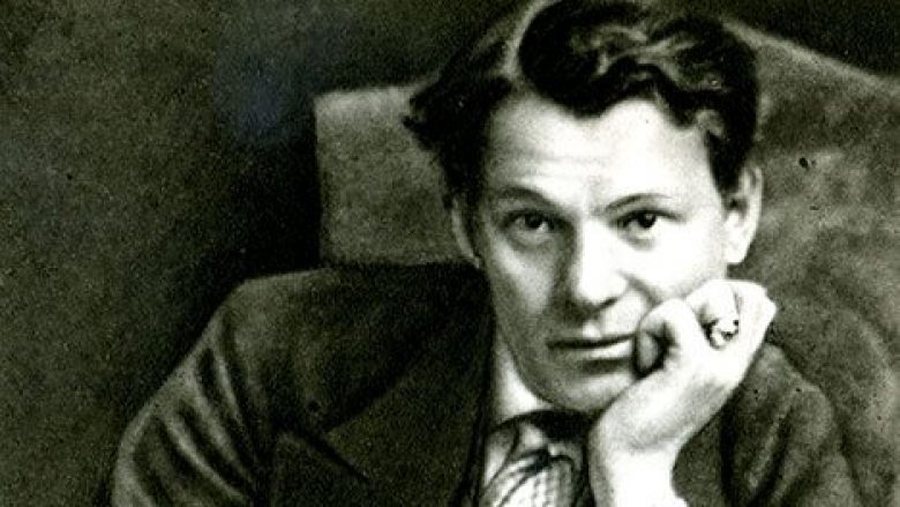
From venomous words, the nationalists quickly turned to violent actions. When on June 19, 1920, the Neue Wiener Bühne (New Vienna Stage) theater organized a performance with Alexander Moisiu, a huge riot broke out: German nationalist students, armed with clubs and shouting, rushed at Moisiu to beat him.
Morcote is the most beautiful village in Switzerland. Or perhaps among the most beautiful, because beauty, as they say, has no end. Here rests the famous actor of Albanian origin Aleksandër Moisiu. And he rests in the most beautiful cemetery in the world. Or perhaps the most beautiful.
In this cemetery - this word is found in the recently published online Albanian Dictionary - nature, history and architecture merge into a harmonious unit. The famous cemetery built in the form of terraces dates back to 1750. The view over Lake Lugano is magnificent.
Aleksandër Moisiu died at the age of 55, on March 22, 1935, in a sanatorium in Vienna from pneumonia. It was his wish to be buried in Morcote.
Aleksandër Moisiu was born on April 2, 1879 in Trieste, a northern Italian city, which at that time belonged to Austria-Hungary. He was the youngest of five children of Amalia de Radio (from an Albanian-Italian family) and the Albanian entrepreneur Kostandin Moisiu. Like many young people with big dreams and talent, Moisiu went to Vienna to start his acting career. His first successes at the famous Burgtheater were modest. His big break in his career came in Berlin with the Austrian director of Jewish origin Max Reinhardt. Moisiu played roles in plays by Ibsen and Tolstoy.
Moisiu was soon targeted by German and Austrian nationalists, who believed he was Jewish. The Vienna satirical magazine "Kikeriki" also launched a campaign against him (also labeling him as Jewish). This attempted to block his path as an artist. And as if this anti-Semitic campaign were not enough, Moisiu was also labeled a communist.
The propaganda gained momentum when Moisiu married the German actress Johanna Terwin. The witnesses to the marriage were Friedrich Brehmer, a retired frigate captain and theater director, and Sophia Liebknecht. She was the widow of Karl Liebknecht, who was an icon of the communist movement in Germany. Liebknecht was an opponent of the war. He was the only member of the German Parliament (Reichstag) to vote against war credits in 1914, describing World War I as an imperialist catastrophe. In 1919 Liebknecht led the January Uprising in Berlin, attempting to overthrow the government and establish a socialist republic. After the uprising failed, he was arrested and summarily executed by right-wing paramilitary forces (on January 15, 1919).
Liebknecht nuk ishte i vetmi që u vra atë vit. Më 8 tetor 1919 u vra politikani socialdemokrat Hugo Haase. Më 13 nëntor 1919 Aleksandër Moisiu foli para 1200 personaliteteve gjermane të cilat ishin tubuar në sallën e parlamentit në Berlin për të kujtuar Hugo Haasen, të vrarë nga një person me të meta mendore. Atëbotë Aleksandër Moisiu ishte padyshim socialist. Për këtë arsye, autoritetet çekosllovake ia kishin ndalur hyrjen, por presidenti ia kishte lejuar. Më 1 maj 1919 Moisiu mbajti madje fjalim para punëtorëve të Zürichut.
Nga fjalët plot helm nacionalistët shpejt kaluan në vepra të dhunshme. Kur më 19 qershor 1920 teatri Neue Wiener Bühne (Skena e Re e Vjenës) organizoi një shfaqje me Aleksandër Moisiun, në fund u krijua një rrëmujë e madhe: studentë nacionalistë gjermanë, të armatosur me shkopinj dhe duke ulëritur iu vërsulën Moisiut për ta rrahur. Për ta Moisiu ishte “komunist” dhe “hebre”. Aktori shpëtoi vetëm falë ndërhyrjes së mysafirëve të pritjes, e cila ishte organizuar në një kopsht për nder të tij.
Më 1920 Moisiu dhe bashkëshortja e tij Johanna Terwin u paraqitën për herë të parë në Festivalin e Saltzburgut në dramën “Jedermann” (Çdokushi) të shkrimtarit Hugo von Hofmannsthal.
Një shkrimtar lokal u ankua se qe detyruar të ikte në fshat për shkak të “vërshimit të hebrenjve” në Salzburg. Gazeta “Salzburger Chronik” shkruante se fshati Mattsee mund të krenohej se ishte “judenrein” (i pastër nga hebrenjtë).
Shkrimtari i famshëm Stefan Zweig, i cili ishte me rrënjë hebraike, hynte në mesin e miqve të ngushtë të Moisiut. Në librin e tij monumental “Bota e djeshme” (“Die Welt von gestern”) Zweig përmend pozitivisht edhe Moisiun.
Historitë me Moisun nuk marrin fund. Kujt i pëlqen muzika klasike, me siguri ka dëgjuar për dirigjentin austriak Herbert von Karajan. I ati i tij Ernst Karajan ishte drejtor i spitalit në Salzburg. Njëherë Moisiu iu lut atij që ta lejonte të asistonte në një lindje. Pse? Sepse dëshironte ta përshkruante sa më saktë lindjen gjatë shfaqjes së një drame. Kështu ndodhi: Ernst Karajan i dha lejen, Moisiu veshi një mantel të bardhë dhe hyri në sallën e lindjes, në gjoks mbante emrin “Dr. Alexander”. Nuk bëri punë ky maskim. Ishte aq prominent, saqë menjëherë e zbuluan se kush ishte. Partia naziste nisi një fushtë kundër tij me thirrje si: “Hebreu Moisi argëtohet!”, “Moisi-Moses si akusher!”, “Lindja e një të krishtereje si shfaqje për hebreun!”
Më 30 gusht 1931, Moisiu pati paraqitjen e tij të fundit si “Jedermann”. Urrejtja tashmë ishte shpërndarë gjerësisht në Austri dhe Gjermani. Më 1932 presioni ishte aq i madh, saqë Festivali i Salzburgut nuk e ftoi më Moisiun. Në vend të tij, për të luajtur rolin e “Jedermannit”, u thirr aktori gjerman Paul Hartmann.
Moisiu brought to the German theater stage an almost musical German, since his native language was Italian. In the role of “Jedermann” he was a suffering dreamer. Hartmann brought another “Jedermann”: heroic, powerful, connected to the land. This image suited the years of Nazism. But Moisiu remains the most memorable “Jedermann”.
Everyman (Jedermann) was a rich man. At some point in his life he is brought before the judgment seat of God. At the moment of death, Everyman is abandoned by his beloved, friends and relatives. He realizes that all material goods are temporary. At the last moment, he finds faith, repents of his sins and is saved through the grace of God. The lesson he learns is that he must do good deeds. Hugo von Hofmannsthal's play, which opens the Salzburg Festival every year, is one of the most popular theatrical performances of the 20th century.



Lini një Përgjigje