


 Shkruar nga Pamfleti
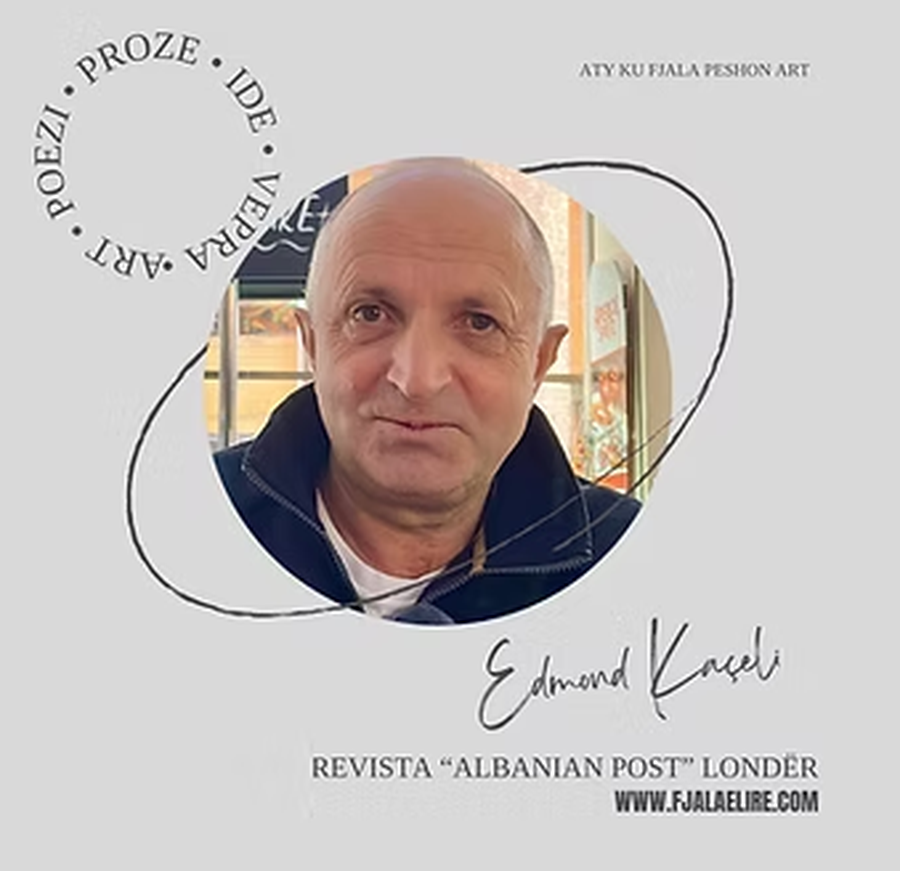
Edmond Kaçeli's poetry in the volume "Slaves of Nothing" unfolds a poetic universe built on a strong metaphorical essentialism, where the ordinary object is transformed into a center of gravity where the existential, historical and social experiences of contemporary man are absorbed.
In this poem, metaphor is not simply a linguistic ornament, but an ontological mechanism that creates meaning. Each poetic figure contains within itself an entire state of existence, a way of being in the world, a human confrontation with emptiness, time and history. In this sense, the small poetic object shoe, clock, swallow, mosquito, guitar strings never remains an ordinary object. It is transformed into a profound metaphysical figure. In the poem “Old Shoe”, for example, the shoe is not just an object worn by time; it becomes a metaphor for the human journey through time and pain itself. “Shoje gritë e kordrëmit te vëllës” creates an image where time materializes on a harsh terrain, while the shoe “patched with pain” represents the soul that continues to walk on unknown paths. In this way, Kaçeli builds a poetics where the material and the spiritual merge into a single figure.
This metaphorical essentialism reaches a darker and more dramatic dimension in the poem “My Hours and the Hours of the Sea,” where the motif of drowning becomes the central metaphor of human existence. The word “drowned,” repeated obsessively, becomes a tragic refrain that encompasses history, identity, and the individual himself. Here the poet creates a poetics of universal drowning: history drowns, the nation drowns, the individual drowns, and even time itself drowns (“my cracked clock”). The repetition of this motif is not only stylistic; it creates a heavy existential atmosphere, where reality seems immersed in a state of catastrophic permanence. In this dimension, Kaçeli’s poetry is connected to the tradition of modern European absurdism. The world he describes is a world where identities are fragile, where history can drown at any moment, and where the individual remains an abandoned figure in a cold universe. Even the ghost that "stops at the canned food store" is an ironic metaphor for modern man: a being who consumes and simultaneously seeks to preserve himself within an absurd system.
Another important dimension of this poetics is the ironic inversion of poetic and natural laws. The poem “The Mosquitoes Came” is a clear example of this mechanism. In the Albanian and European poetic tradition, the swallow is a symbol of spring and renewal. Kaçeli inverts this symbolism by suggesting that instead of swallows, mosquitoes can come. This small metaphorical change produces a strong critical effect: spring can come even in a deformed world, where its sign is no longer beauty, but concern and annoyance. In this way, the poet creates a deep irony towards contemporary reality.
Meanwhile, the poem “The Strings of the Guitar” unfolds a poetics of physical and spiritual pain. The musical instrument is transformed into a human body and the strings into wounds. Music here is not born from harmony, but from blood. This metaphorical transformation is one of the clearest expressions of Kaçeli’s poetic essentialism: art is born from pain, and song becomes a way to articulate the wounds of existence.
In the poem “General Disaster,” this metaphorical universe expands towards a critique of contemporary society. The poet describes a reality where people live “in computer sleep” and create “The Great Nothing.” This last metaphor is perhaps the most important philosophical concept of the entire volume. “Nothing” is not just metaphysical emptiness; it is the product of a civilization that has forgotten elementary human experiences: the scent of a flower, the taste of snow, the sound of a voice. In this way, Kaçeli constructs a strong critique of the technological and social dehumanization of our time.
The figure of the wanderer in the poem “The Wanderer” reinforces this sense of loss of identity. The faded and colorless flag is a metaphor for an individual who no longer finds a place in any symbolic homeland. Kaçeli’s wanderer no longer seeks recognition; on the contrary, he seeks indifference. This poetic paradox expresses one of the deepest themes of modernity: the radical loneliness of the individual in a world full of people.
It should be added that the poetry of this volume creates a picture of a universe where time, history, and identity are unstable. The years “hurry away,” freedom exists only as a dubious word, and life remains an “endless crossroads.” Yet within this dark panorama, poetry remains an act of resistance. By articulating emptiness, the poet actually gives it form and meaning.
Prandaj, esencializmi metaforik tek poezia e Edmond Kaçelit nuk është vetëm një teknikë stilistike. Ai është një mënyrë për të eksploruar thelbin e ekzistencës njerëzore në një epokë të mbushur me absurditet, harresë dhe boshësi. Përmes metaforave të fuqishme dhe shpesh tronditëse, Kaçeli krijon një poezi që nuk synon të zbukurojë realitetin, por ta zhveshë atë deri në esencën e tij më të ashpër. Në këtë kuptim, vëllimi “Skllevër të Hiçit” mund të lexohet si një kronikë poetike e njeriut modern, i cili endet midis historisë, kujtesës dhe boshësisë, duke kërkuar ende një kuptim në një botë që shpesh duket se e ka humbur atë.
Në universin poetik të Edmond Kaçeli, i shpalosur në vëllimin “Skllevër të Hiçit”, esencializmi metaforik nuk mbetet një teknikë e izoluar stilistike, por shndërrohet në një sistem të tërë poetik ku çdo objekt, çdo gjendje dhe çdo përvojë e jetës përftojnë një dimension simbolik të thellë. Metafora tek Kaçeli nuk funksionon vetëm si figurë letrare; ajo është një mënyrë për të përkthyer realitetin në një gjuhë të brendshme, shpesh dramatike, ku përvoja individuale dhe ajo kolektive përzihen në një strukturë të vetme ekzistenciale.
Në këtë kuptim, poezitë e këtij vëllimi krijojnë një univers ku sendet e zakonshme marrin një peshë ontologjike. Këpuca e vjetër, ora e krisur, dallëndyshja, mushkonjat, telat e kitarës, flamuri i shlyer apo konserva e ndryshkur nuk janë më objekte neutrale; ato bëhen qendra simbolike të përvojës njerëzore. Në poezinë “Këpuca e vjetër”, për shembull, objekti i konsumuar nga koha bëhet metafora e një shpirti që vazhdon të ecë mbi “kalldrëmin e viteve”. Kjo figurë krijon një ndjenjë të fortë të udhëtimit të mundimshëm të njeriut në kohë. Këpuca e arnueshme me dhimbje shndërrohet kështu në një emblemë të ekzistencës së lodhur, por ende në lëvizje.
Motivi i mbytjes që shfaqet në poezinë “Orët e mia dhe orët e detit” e zgjeron këtë metaforikë drejt një horizonti më të errët historik dhe filozofik. Përsëritja obsesive e fjalës “mbytur” krijon një atmosferë katastrofike ku historia, koha dhe vetë individi përfshihen nga një ndjenjë e përhershme humbjeje. Mbytet anija, mbytet historia, mbytet identiteti, mbytet edhe vetë poeti. Kjo përsëritje ritmike krijon një efekt të fuqishëm dramatik dhe e shndërron poezinë në një elegji të madhe për një botë që duket sikur po zhytet ngadalë në harresë. Në një dimension tjetër, poezia e Kaçelit shfaq një ironi të mprehtë ndaj realitetit bashkëkohor. Poezia “Erdhën mushkonjat” përmbys simbolikën klasike të pranverës. Në vend të dallëndysheve shenjë e rilindjes dhe e shpresës vijnë mushkonjat. Kjo përmbysje e vogël poetike është një kritikë e qartë ndaj degradimit të realitetit modern: pranvera mund të vijë, por ajo nuk sjell më bukuri; ajo sjell bezdi, shqetësim dhe një ndjenjë të turbullt ndryshimi.
Kjo poetikë e ironisë dhe e absurdit arrin një intensitet të veçantë në poezinë “Fatkeqësi e përgjithshme”, ku Kaçeli përshkruan një botë të përmbytur nga virtualiteti dhe nga boshësia e komunikimit. Njerëzit jetojnë në “gjumin e kompjuterave”, ndërsa në qendër të këtij realiteti qëndron koncepti i “Hiçit të Madh”. Ky Hiç nuk është vetëm metafizik; ai është produkt i një shoqërie që ka humbur kontaktin me përvojat elementare të jetës: aromën e një luleje, shijen e borës, tingullin e një zëri njerëzor. Në këtë mënyrë poezia e Kaçelit ndërton një kritikë të fortë ndaj dehumanizimit të qytetërimit bashkëkohor.
Në këtë panoramë poetike, figura e shtegtarit shfaqet si një nga metaforat më të fuqishme të vetmisë moderne. Flamuri i shlyer dhe pa ngjyrë që valëvitet në një shtizë loti është një figurë që sintetizon humbjen e identitetit dhe të përkatësisë. Shtegtari nuk kërkon më njohje apo solidaritet; ai kërkon indiferencën e të tjerëve. Ky paradoks poetik e vendos figurën e poetit në një pozicion tragjik, ku vetmia bëhet një gjendje e domosdoshme e ekzistencës.
Kjo ndjenjë e përjashtimit dhe e largimit nga bota merr një dimension më personal dhe dramatik në poezinë “Ikja ime e parë nga jeta”. Kjo poezi është një monolog i gjatë ekzistencial ku poeti përballet me zhgënjimin ndaj miqve, tradhtinë e armiqve dhe indiferencën e botës. Ikja këtu nuk është vetëm një largim fizik; ajo është një akt moral dhe shpirtëror. Poeti largohet nga “llum i njerëzor” për të ruajtur integritetin e vet.
Në këtë poezi shfaqet një dimension autobiografik i fortë, ku metafora e ikjes shndërrohet në një akt rezistence ndaj hipokrizisë dhe padrejtësisë. Ironia tragjike e kësaj poezie qëndron në faktin se poeti arrin të njohë më mirë armiqtë sesa miqtë, ndërsa zhgënjimi nuk e shkatërron dinjitetin e tij, por përkundrazi e forcon.
Një nga elementet më të spikatura të kësaj poezie është përdorimi i referencave dramatike dhe kulturore, si figura e Makbethit, e cila përforcon idenë e një komploti të heshtur dhe të përkryer nga hipokrizia njerëzore. Kjo lidhje me tragjedinë klasike e vendos përvojën personale të poetit në një kontekst universal: drama e individit është një reflektim i dramës së përhershme të pushtetit, tradhtisë dhe ndërgjegjes.
Ndërkohë, poezia “Haluçinacionet e të veshurit me rrobën e ushtarit” përfaqëson një nga kulmet më të forta të poetikës së Kaçelit. Kjo poezi është një mozaik fragmentesh surrealiste që përshkruajnë përvojën e një brezi të tërë të formuar në një realitet ushtarak dhe represiv. Struktura e saj fragmentare krijon një ndjenjë klaustrofobie dhe ankthi, ku imazhet e telave me gjemba, helmetave, mjegullës dhe urdhrave mekanikë ndërtojnë një univers të çnjerëzuar.
The figure of the “zero man”, “zero grade” and “zero soul” is one of the most powerful metaphors of this poetic cycle. This figure synthesizes the degradation of the individual in a system where identity, feelings and thought are reduced to zero. This concept of “zero” is an extension of the idea of “Nothing” that appears in other poems in the volume. In this way, Kaçeli constructs a poetic philosophy of emptiness, where the individual risks disappearing in a system that reduces him to a mechanical function.
The grotesque irony of this poem culminates in the imagined episode of archaeologists in the year 2500, who analyze the fossil remains of 20th-century military life. This futuristic vision creates an ironic distance from history and transforms everyday experience into an absurd object of study.
In this way, the poet suggests that the absurdity of the present can only be understood from the perspective of a distant future. Ultimately, Edmond Kaçeli’s poetry constructs a universe where human existence is depicted as a continuous journey between pain, irony, and emptiness. Time passes “hurriedly,” years disappear, freedom often seems like an illusion, while the individual remains at an endless crossroads of history and consciousness. Yet, within this dark panorama, poetry remains a powerful act of testimony.
Kaçeli’s metaphorical essentialism does not aim to embellish reality; it aims to strip it down to its harshest essence. By making metaphor the main means of expression, the poet manages to create a poem that is at once philosophical reflection, social criticism, and profound personal confession. In this sense, “Slaves of Nothing” can be read as a poetic chronicle of modern man—a man who wanders between history, memory, and emptiness, still searching for meaning in a world that often seems to have lost it.






Lini një Përgjigje