


 Shkruar nga Thoma Gëllçi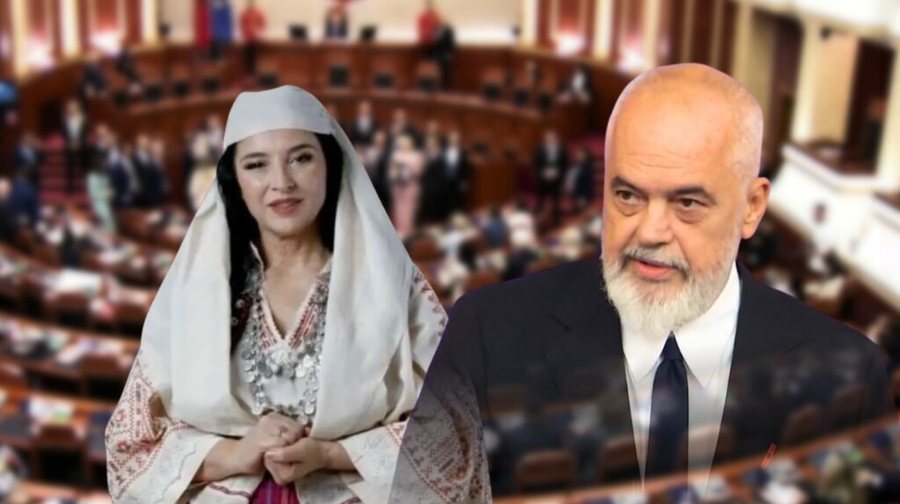
Richer countries, such as Japan or the United States, have yet to create a system with independent political or legal authority. At best, artificial intelligence is used as an assistant to officials, to analyze documents, prepare reports or collect data. In Estonia, often cited as a model for e-government, an AI system is being tested to help resolve minor administrative disputes.
When we were children, many of us saw science fiction as a magical window into the future. It seemed to us a prophetic prediction of the world to come, where writers like Jules Verne guided humanity with imagination rather than science. But later, as we grow up and understand the history of invention, we discover the opposite truth: science was there first, and literature drew inspiration from it. Verne’s “Nautilus,” for example, was not just the fruit of a dream, but a reflection of the knowledge and real efforts of the time, from Drebbel in the 17th century to the inventors of the 19th century who were building the first submarines. Literature, in this sense, was the poetic mirror of scientific progress.
This relationship between imagination and knowledge is essential to understanding our era, where technology is rising on the foundations of yesterday’s fantasies. Today, instead of Captain Nemo, we have “Minister Diella,” an avatar of artificial intelligence, proclaimed as a minister in Albania. At first glance, it seems like an innovative vision, a step towards a future that once only brave writers would imagine. But if we look deeper, the same irony as in “Nautilus” emerges: what appears to be fantasy is often simply a superficial imitation of real knowledge.
If we look at it with the cold eye of analysis, the chances are that the new “minister” is just a graphical system that uses existing technology to synthesize voice and video. This is a common practice today: with some commercial platforms you can create in a few minutes a digital figure that speaks and moves like a human, using texts that are given to it in advance. So, more than an independent intelligence that understands the political, legal or economic reality of the country, “Diella” is, most likely, a technical imitation, a digital voice that reads what is written to it by the cabinet or by a government communications team.
But what would it really take for a country like Albania to create an artificial intelligence worthy of the title of “minister”? To understand this, we need to go back to the essence of modern artificial intelligence. The models that are today considered “fifth generation”, such as those of companies OpenAI, Anthropic or Google DeepMind, are the products of a colossal technological infrastructure, which includes thousands of powerful graphics processors (GPU), large data centers, teams of hundreds of scientists, programmers, lawyers and security experts, as well as billions of dollars in investment. Training a model like GPT-4 alone has cost several hundred million dollars, not including energy and maintenance costs. These models use unimaginable amounts of data, from books and laws to human communications, to create a system that can generate text and ideas coherently.
For a small country like Albania, with a Gross Domestic Product of around $27 billion, developing such a national system is practically impossible. Even if the government had the will, it does not have the energy infrastructure, servers, human resources or data centers of this level. Just building a minimal computer complex to train a modest model would cost hundreds of millions of euros. Keeping it running requires tens of millions of euros more per year for energy, cooling and the engineers who maintain it. Furthermore, Albania does not have access to legal and administrative data structured in a form that such a system could understand and use. Laws, decisions, normative acts and international agreements would have to be digitized, categorized and constantly updated. None of this exists in its entirety.
Richer countries, such as Japan or the United States, have yet to create a system with independent political or legal authority. At best, artificial intelligence is used as an assistant to officials, to analyze documents, prepare reports or collect data. In Estonia, often cited as a model for e-government, an AI system is being tested to help resolve minor administrative disputes, but every decision is passed on to a real judge. In Denmark, a political party introduced “Leader Lars,” a chatbot that talks to voters, but no one takes him as a minister. Even in Japan, where virtual figures have been experimented with in campaigns, they have been used as a means of communication, not as a government authority.
Në këtë kontekst, ideja që Shqipëria mund të ketë krijuar një “ministre” të vërtetë të inteligjencës artificiale tingëllon më shumë si marketing politik sesa si arritje shkencore. Prezantimi i Diellës para Parlamentit, i shoqëruar me muzikë, pamje dhe fjalime, është një shfaqje simbolike që synon të krijojë ndjesinë e modernitetit. Është një mënyrë për të treguar se vendi po ecën me trendet botërore të AI-së, por pa pasur ende përmbajtje reale pas fasadës digjitale. Në thelb, “ministrja” nuk drejton asgjë; ajo nuk merr vendime, nuk firmos dokumente, nuk mban përgjegjësi. Ajo është thjesht një figurë dixhitale që lexon një tekst të përgatitur nga njerëzit, pa vetëdije, pa arsyetim dhe pa ndërgjegje për fjalët që thotë.
Nëse do të kishte qenë ndryshe, do të duhej që qeveria të publikonte një raport teknik me specifikime të qarta: çfarë modeli përdor “Diella”? A është zhvilluar në Shqipëri apo është një shërbim i blerë nga jashtë? A përdor të dhëna të siguruara nga institucionet shtetërore? Si ruhen të dhënat e qytetarëve? Kush e kontrollon kodin e saj? Kush mban përgjegjësi nëse sistemi jep përgjigje të gabuara apo të rrezikshme? Deri më sot, asnjë prej këtyre pyetjeve nuk ka marrë përgjigje. Nuk ka asnjë publikim shkencor, asnjë dokument teknik dhe asnjë plan transparent që të tregojë se “Diella” është më shumë se një eksperiment i thjeshtë komunikimi.
Këtu qëndron edhe rreziku më i madh: kur teknologjia paraqitet si magji, pa shpjegim dhe pa kontroll, ajo bëhet mjet manipulimi. Në vend që qytetarët të fitojnë besim te inteligjenca artificiale, krijohet një ndjenjë iluzioni, sikur qeveria mund të zëvendësojë përgjegjësinë njerëzore me një program kompjuterik. Një sistem i tillë, edhe nëse ekzistonte vërtet, do të ngrejë çështje serioze ligjore. Kushtetuta shqiptare nuk njeh subjekte jo-njerëzore në pushtet. Një “ministre” artificiale nuk mund të mbajë përgjegjësi, të betohet apo të marrë vendime me pasoja juridike. Asnjë vend demokratik nuk ka lejuar që një entitet pa personalitet juridik të firmosë apo të marrë vendime që prekin jetën e qytetarëve.
Për më tepër, përdorimi i inteligjencës artificiale në administratën publike përbën një kategori të rrezikshme sipas Aktit të BE-së për Inteligjencën Artificiale. Këto sisteme duhet të kalojnë auditime të pavarura, të kenë dokumentim teknik, të jenë të shpjegueshme dhe të kenë mekanizma të qartë ankimi për qytetarët. Shqipëria, e cila synon integrimin në BE, do të duhet të përputhet me këto standarde. Përndryshe, çdo vendim i marrë me ndihmën e një sistemi të paqartë do të rrezikonte të shpallej i pavlefshëm.
If Albania really wants to move towards the digital future, the path is different. It goes through building real foundations of transparency: the complete digitalization of state documents, the opening of public data, technological education of civil servants and cooperation with universities for the development of local algorithms. In this way, an artificial intelligence can be created that helps the citizen, not that amazes him with illusions. A “Diella” that explains the laws, helps in completing documents or reduces the burden of bureaucracy would be a real help to society. A “Diella” that speaks in Parliament for camera effect, but that has neither its own brain nor responsibility, is just a new old scenography: a technological facade for a policy that seeks digital glory without a scientific basis.
Ultimately, artificial intelligence is not a decoration for speeches, but a tool that requires knowledge, ethics and responsibility. Calling a virtual figure that reads other people's texts a "minister" is like calling a mirror a "leader" just because it reflects your face. Albania has the potential to move towards a modern administration, but for this we need engineers, clear laws and strong institutions, not new illusions on screens. Otherwise, "Minister Diella" will remain a memory of the era when Albanian politics thought it could hide behind a beautiful avatar and call it progress.
Finally, let us think: if Jules Verne built a universe that took the reader to the depths of the ocean in search of the unknown, “Minister Diella” seems to take the audience to the depths of illusion in order to create a false sense of progress. Verne inspired by knowledge to expand the imagination, while Diella inspires by imagination to hide the lack of knowledge. This is perhaps the biggest difference between the vision of a 19th century writer and the digital propaganda of the 21st century: the former sought to awaken the human mind, the latter seeks to fascinate and put it to sleep.


Lini një Përgjigje