


 Shkruar nga Pamfleti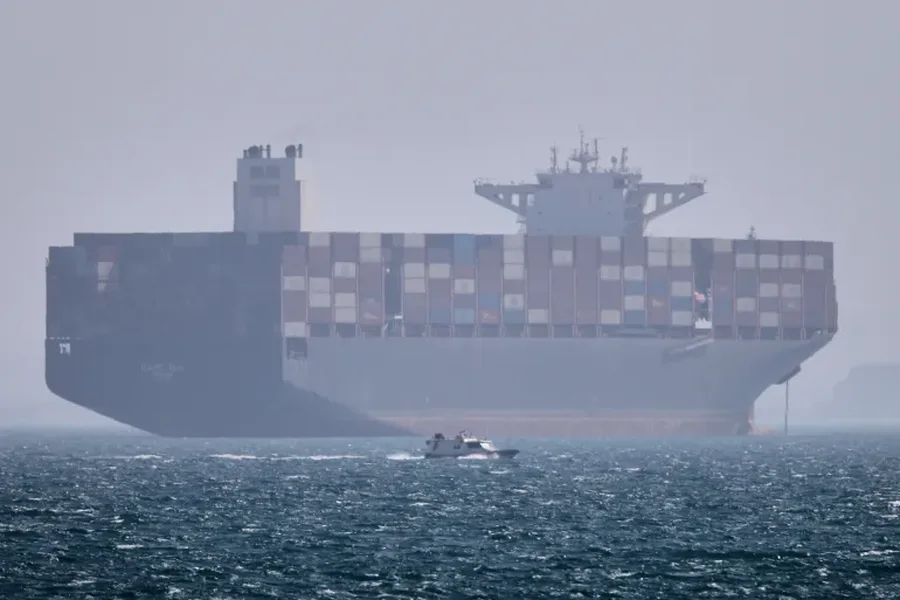
Brent oil rises nearly 6 percent as tensions in maritime corridor push ceasefire towards collapse
Oil prices have risen sharply as violence in the Strait of Hormuz has raised doubts about the fragile ceasefire between the United States and Iran.
Brent crude, the main global indicator of oil prices, rose nearly 6 percent on Monday, reaching $114.44 a barrel.
Brent futures were slightly lower on Tuesday morning, trading at $113.54 per barrel at 02:00 GMT, Al Jazeera reports.
The latest price increase came after the US military said it had destroyed six small Iranian vessels in response to Iranian attacks on commercial vessels in the waterway. The United Arab Emirates also reported being attacked by Iranian missiles and drones.
An Iranian military source, quoted by the official IRNA agency, denied that US forces had sunk any Iranian boats and described the US claim as "false".
According to June Goh, senior oil market analyst at Sparta in Singapore, the market is reflecting the risk of further damage to oil infrastructure and the possibility that the Strait of Hormuz will remain closed longer than the deadline envisaged by the Trump administration.
Despite US President Donald Trump's announcement that the US military will "guide" commercial ships through this strategic strait, shipping companies have shown reluctance to use it, due to ongoing security concerns.
While the US military announced that two US-flagged merchant ships passed through the strait in the hours after the announcement of "Project Freedom", there are still no signs of a significant return of maritime traffic in the region.
On Monday, the head of the International Transport Workers' Federation (ITF), Stephen Cotton, said that ships should not be asked to pass through the strait "without a full guarantee of safety."
"Freedom of navigation must be restored in full compliance with international law, but this must be done in a coordinated, transparent manner and with the safety of seafarers at the forefront," Cotton told Al Jazeera. He added that there was "little clarity" on how the operation would ensure safe evacuation and that there were no guarantees from Iran of safe passage.
"Until we have these guarantees, we urge shipowners and flag states not to consider this announcement as a green light," he said.
"These workers have already experienced weeks of fear, uncertainty and hardship. They should not be put at risk."
According to the International Maritime Organization (IMO), up to 20,000 seafarers remain stranded on around 2,000 ships in the Strait of Hormuz. The IMO stressed that there is “no precedent in the modern era for the blockade of so many seafarers.”
Meanwhile, the United Nations has called for freedom of navigation in the strait to be guaranteed, warning that its closure is hindering the supply of oil, gas, fertilizers and other critical goods, as well as "choking the global economy."
Brent oil prices have risen by more than 50 percent since the start of the war in late February, amid an estimated production shortfall of 14.5 million barrels per day.
Analysts estimate that even if Washington and Tehran reach an agreement to end the war, oil prices will remain high for a period, due to crude cargoes, damage to regional infrastructure and the need to clear Iranian naval mines.
Goh said he expects prices to rise further as countries tap into their energy reserves.
“As more OECD inventory reports are released showing high rates of drawdown from reserves, an even stronger upward trend for the Brent oil price is expected,” she said. / Pamphlet /






Lini një Përgjigje