


 Shkruar nga Pamfleti
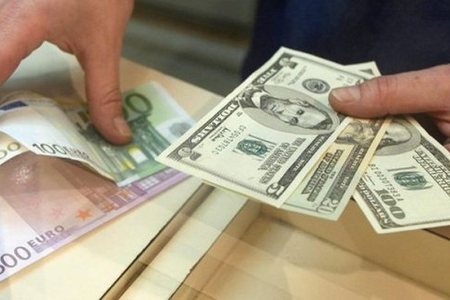
The Euro-Lek exchange rate is continuing its decline this week and has reached a new historical minimum. According to the official exchange rate of the Bank of Albania, the Euro was exchanged today for 96.35 Lekë, the lowest level ever recorded.
Market agents say that the market continues to be characterized by an abundant supply of foreign currency, while demand for it is weak.
They estimate that the Euro offer during the first months of this year may have been partially influenced by electricity exports, carried out by the Albanian Power Corporation. Due to favorable hydrological conditions, KESH has sold significant amounts of electricity in recent months. During February alone, five electricity sales procedures were carried out.
The Euro-Lek exchange rate is also showing a downward trend in the first quarter of the year, an unusual trend in previous years. For this reason, the Bank of Albania is continuing to purchase foreign currency, with the aim of curbing the further strengthening of the local currency against the Euro. In the absence of the Bank of Albania's interventions, the Euro exchange rate would have fallen to lower levels.
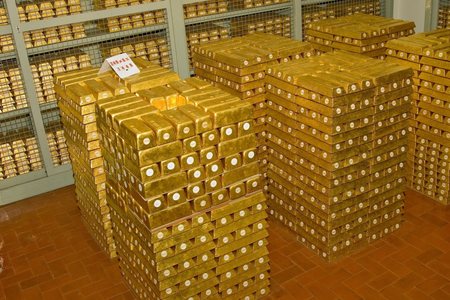
According to official data published so far, for the first nine months of 2025, the Bank of Albania purchased a total of 825.6 million euros in the domestic foreign exchange market.
This is the highest historical value of the Bank of Albania's purchases in the foreign exchange market for this period of the year. Compared to the same period a year ago, foreign exchange purchases have increased by 52.2%.
This year, the Bank of Albania will further increase its planned purchases of foreign exchange in the domestic market. It aims to purchase 330-450 million euros through auctions, with the aim of increasing foreign exchange reserves. The purchase target has increased significantly compared to the projections in the range of 270-350 million euros, which were foreseen for 2025.
However, the Bank of Albania argues that the aim of its interventions is not to protect any particular exchange rate level, but to dampen the speed of movements.
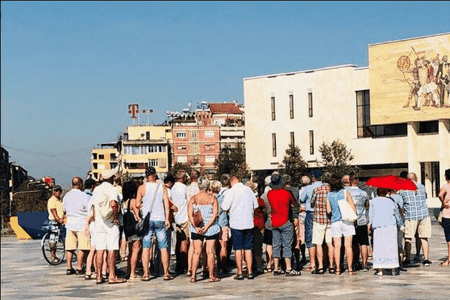
The Bank of Albania's analyses conclude that the decline in the Euro exchange rate is mainly due to the increase in the export of services and especially tourism, and the increase in foreign investments, especially in real estate.
According to the Central Bank, these developments have generated a surplus of foreign exchange in the domestic market, a surplus which, together with increased confidence in the national currency, has brought pressures for the strengthening of the Lek.
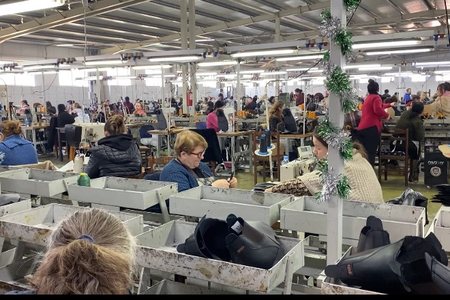
The continued strengthening of the Lek is estimated to have favored the import of goods and services from abroad and, at least partially, has determined lower levels of imported inflation. But, on the other hand, the strengthening of the Lek is hitting the competitiveness of the exporting sectors of goods and services, with serious consequences especially in tailoring activities. / Monitor



Ska ekonomist ta shpjegoje forcimin e lekut kur nuk shquhemi per ekonomi te forte konkuruese. Bravo qe eshte ndertuar nje sistem qe i rrjep emigrantet nga distanca. Si ? Coji cmimet ne kulm, rrit cmimet e ilaceve, favorizo ne heshtje spitalet private, rrit taksat, shpik taksa, shpik menyra per te grumbulluar leke. Kjo i keput emigrantet qe jane te detyruar te mbajne prinderit e tyre gjalle. Fuqizo dhe ndertimin - edhe pse mijera apartamente jane bosh - duartrokitje per te tere !