


 Shkruar nga Eduard Zaloshnja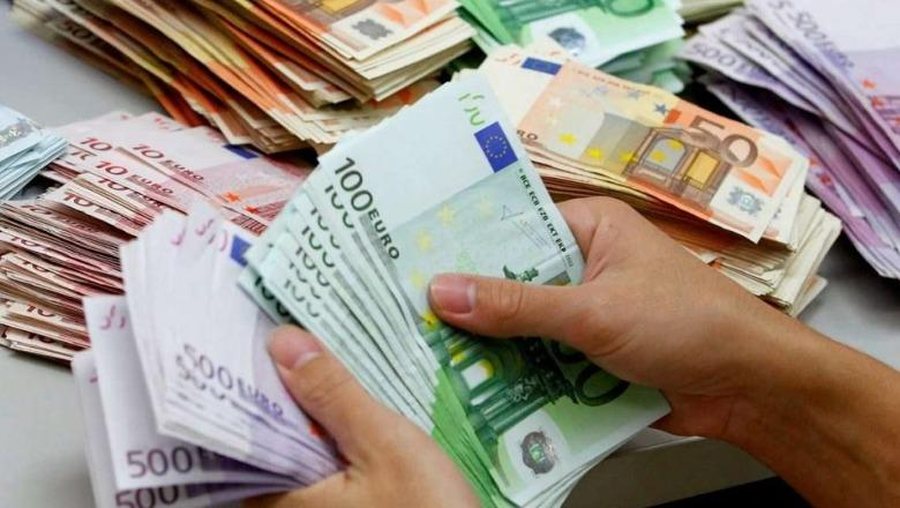
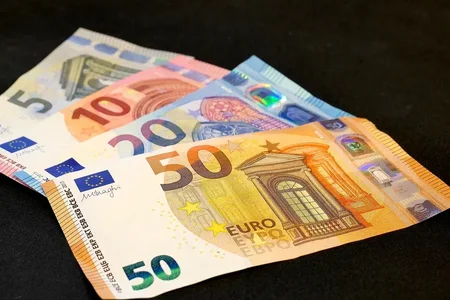
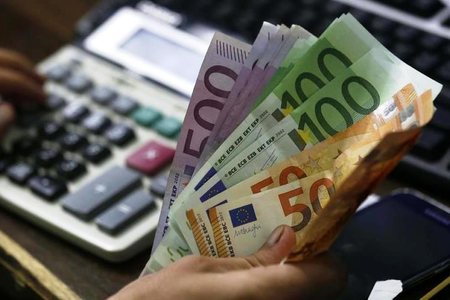
From a monetary perspective, Albania has already quietly adopted the Euro as its main transaction currency.
On January 1, Bulgaria adopted the Euro, finally abandoning its national currency, the Leva. This replacement marks the culmination of a nearly two-decade process of European integration, which began with Bulgaria's accession to the EU in 2007 and continued with its accession to the Schengen Free Trade Area in 2024.
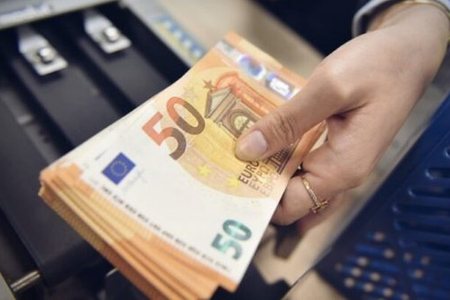
On January 1, Albania launched a project to digitize all payments by 2030 (which means the withdrawal of banknotes from circulation). But can the replacement of the Lek with the Euro be achieved by then?
In fact, other Balkan countries still far from EU accession have long since adopted the Euro as the sole currency in everyday life – such as Montenegro, Kosovo and Bosnia (the latter with a local currency pegged to the Euro). From a monetary stability perspective, these countries have benefited from this adoption, thanks to the non-interference of state authorities and neighboring countries in the internal monetary market.
In Bulgaria, however, there is still skepticism about the Euro due to several factors. First, a large part of the population is attached to the Leva for 200-year-old historical reasons. Especially after the severe economic crisis of the late 1990s, the Leva became a symbol of stability. Also, many Bulgarians fear that the Euro will increase prices, and these fears have been fueled by the far right on social media. Moreover, Bulgaria has historically been close to Russia, and a part of the population views further European integration with suspicion. These feelings have been fueled by Russia, which has launched a disinformation and propaganda campaign against the Euro.
Albania does not have such problems of social psychology of the population. Here, surveys show that over 90% of the adult population want the full integration of Albania into the EU. The current government aims for full integration by 2030. The opposition also aims for it, but with the desire to be in government itself by 2030…
From a monetary perspective, Albania has already quietly adopted the Euro as its main transaction currency. Over 60% of savings deposits in Albanian banks are in Euro (or currencies pegged to Euro). Real estate transactions are mainly conducted in Euro. Around 90% of imports/exports are conducted in Euro. And almost 90% of foreign direct investments are conducted in Euro. Meanwhile, almost 85% of the foreign exchange reserves of the Bank of Albania are in Euro.
From an economic perspective, inflation could be reduced by replacing the Lek with the Euro, as long as the exchange rate remains below 1 to 100. Meanwhile, adopting the Euro as the national currency would ultimately stabilize the export and tourism sectors. And above all, it would put an end to possible underground speculation in Lek-Euro currency exchanges…



Lini një Përgjigje