


 Shkruar nga Pamfleti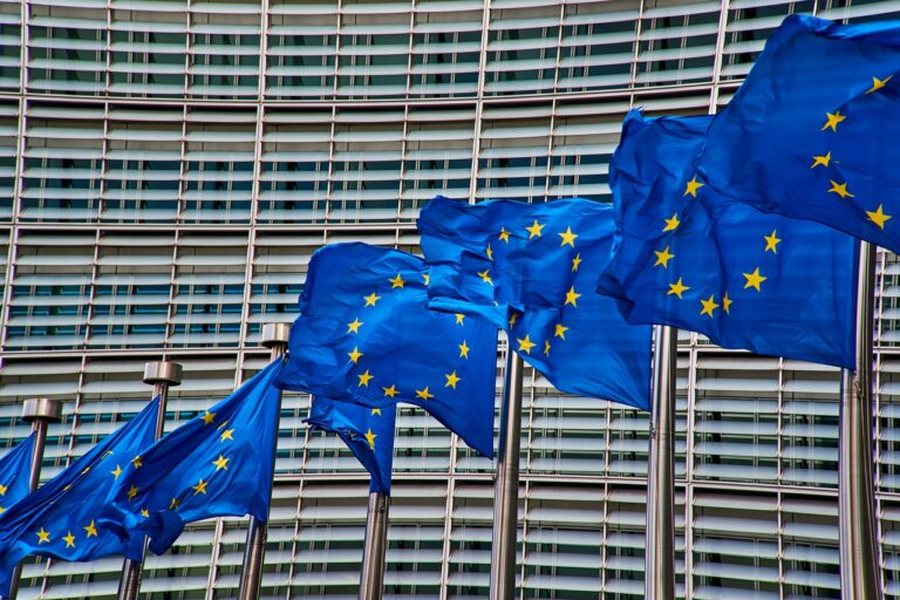
The European Union accelerates the strengthening of the euro and puts on the table the hypothesis of a "super euro" supported by a single European securities market.
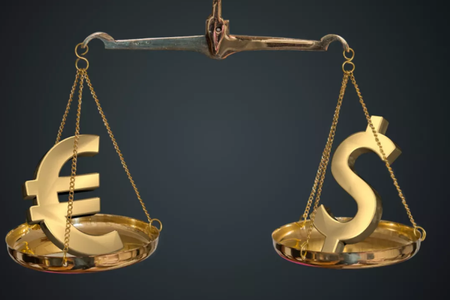
The aim of the initiative is to consolidate the international role of the common currency, reduce dependence on the dollar and strengthen Europe's strategic autonomy in an increasingly unstable geopolitical context.
The limited format of the EU's six major economies, France, Germany, Italy, Spain, the Netherlands and Poland, also gathered in Brussels, determined to give political impetus to the completion of the single market. The E6 ministers aim to transform Europe into a "safe haven" for global capital, while avoiding the dissipation of the current reform momentum.
The European Commission's analysis focuses on the bond market. An internal document identifies the creation of a single issuer for supranational bonds as a lever to overcome the current fragmentation: pooling issues under a single entity would enable the provision of deeper and more liquid securities, capable of attracting international investors.
The euro, Brussels emphasizes, can only become a true global currency if it is supported by an integrated financial system and a broad supply of euro-denominated assets, monetaweb writes.
European bonds are already considered safe and liquid, but according to the Commission, their scope should be broadened, increasing the offer of common instruments and facilitating access to financing for companies across the Union, without national barriers. The issue was also discussed within the Eurogroup.
" Strengthening the international role of the euro is not a new objective, but the geopolitical context has changed and requires action ," noted Economy Commissioner Valdis Dombrovskis.
A stronger euro, he added, would constitute a pillar of the European risk reduction strategy, contributing to financial stability, economic security and reducing financing costs.
It would also provide greater protection for importers and exporters from exchange rate fluctuations.
The strategy combines economy and security. Brussels emphasizes that the growing global fragmentation and the ever-increasing use of financial sanctions make it necessary to strengthen European monetary autonomy. This includes the development of a digital euro and the promotion of the common currency in international contracts, from energy to raw materials to transport.
On the joint issuance front, the possibility of using bonds guaranteed by the EU budget in a more structured manner, according to the Safe program model, is being assessed in the next Multiannual Financial Framework 2028–2034, should the need arise to raise new capital. /Adapted Pamphlet /



Lini një Përgjigje