


 Shkruar nga Pamfleti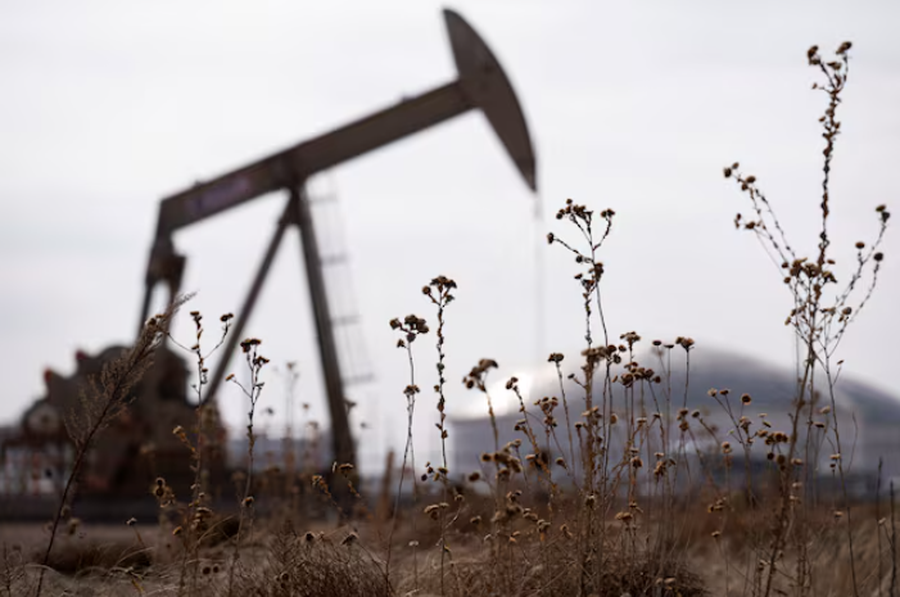
Oil traded little changed on Monday as investors weighed how much the upcoming US-Iran talks aimed at easing tensions could affect the market.
Brent crude futures rose 3 cents to $67.78 a barrel by 03:58 GMT.
U.S. West Texas Intermediate crude was $62.91 a barrel, up 2 cents.
Last week, both indexes posted weekly declines, with Brent falling about 0.5% and WTI losing 1%, following comments by US President Donald Trump that Washington could reach a deal with Tehran within the next month, which sent prices down on Thursday.
The two countries will hold a second round of talks in Geneva on Tuesday, following renewed negotiations earlier this month aimed at resolving their decades-long dispute over Tehran's nuclear program and avoiding a new military confrontation.
Iran is pursuing a nuclear deal with the United States that brings economic benefits to both sides, with investments in energy and mining, as well as aircraft purchases, under discussion, an Iranian diplomat was reported to have said on Sunday.
"With both sides expected to remain firm on their key red lines, expectations for a deal are low and this is likely to be the calm before the storm," said IG market analyst Tony Sycamore.
The United States has sent a second aircraft carrier to the region and is preparing for the possibility of a prolonged military campaign if talks fail, US officials told Reuters. Iran's Revolutionary Guard has warned that in the event of attacks on Iranian territory, they could retaliate against any US military base.
With US-Iran tensions pushing up oil prices, the Organization of the Petroleum Exporting Countries and allies, collectively called OPEC+, are leaning towards resuming production increases from April after a three-month pause, to meet peak summer demand, Reuters reported.
"We want to liberate the people and the economy of Venezuela," he added.
Activity in global financial markets is expected to be subdued on Monday, with China, South Korea and Taiwan closed for Lunar New Year holidays, in addition to Presidents' Day in the United States.
“With the lack of strong Chinese demand signals this week, liquidity remains weak and price action could remain volatile,” said Sugandha Sachdeva, founder of SS WealthStreet, a research firm based in New Delhi.





Lini një Përgjigje