


 Shkruar nga Mario Platero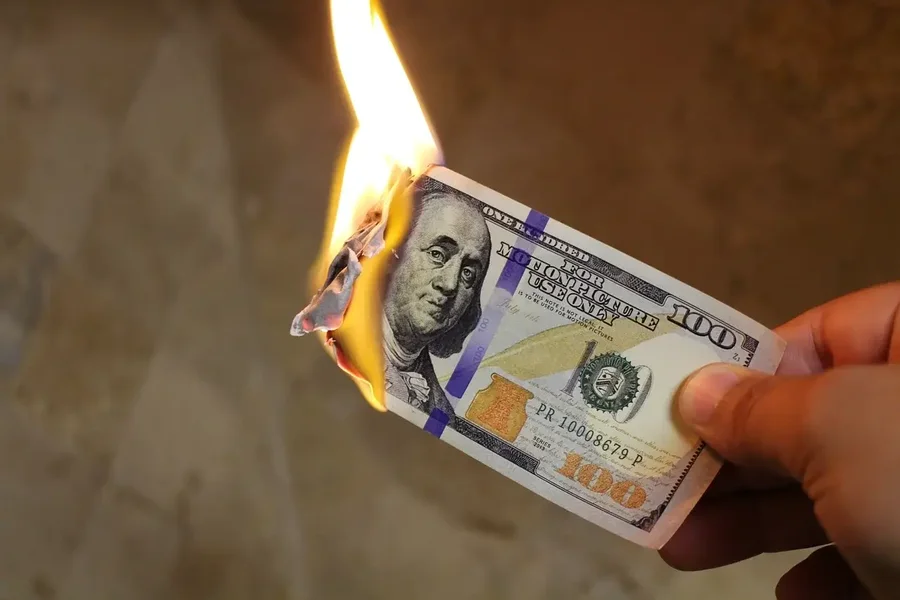
The US debt is approaching $38 trillion...
In the 1970s, amid the turmoil in oil markets, progressive economists and politicians predicted a decline in the dominance of the dollar. This would have freed the world from the meddling of the United States and its capitalism.
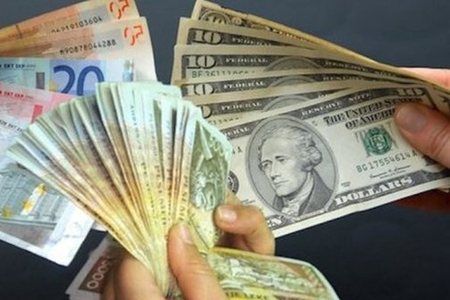
Indeed, in 1971, after nearly thirty years, Nixon abolished the convertibility of dollars into gold, as established at Bretton Woods. Then, in 1973, the first oil shock. Events were filled with aggressive rhetoric. Nixon’s Treasury Secretary, John Connally, taunted: “Our dollar, your problem.” He was speaking primarily to Europeans and to French Finance Minister Valéry Giscard d’Estaing, who considered the use of the dollar an “excessive privilege” for America. Fifty years later, the dollar still accounts for 58% of global foreign reserves, 54% of world trade, and nearly 90% of foreign exchange transactions.
The historical context is important because in recent days in Washington, on the sidelines of the annual meetings of the International Monetary Fund and the World Bank, some imaginary intellectuals proclaimed the imminent end of the "King Dollar", citing the current weakening of the US dollar. In fact, never before have the BRICS (Brazil, India, China and South Africa), which account for 40% of the world economy and are led by Beijing, offered concrete alternatives to the dollar and a rusty Western leadership.
Cryptocurrencies, supported by President Trump, are on the rise, and the administration wants to use “Stable Currency” to finance America’s unmanageable debt. The ECB is also pursuing a digital currency, and America’s disengagement from the transatlantic relationship could reportedly precipitate a widespread breakup. Then there’s the price of gold, which is also rising as central banks seek to convert more of their dollars into gold reserves. Add to that the exploding US debt, currently around 123% of GDP, but expected to skyrocket to 140% within a decade, according to the latest IMF estimates.
Therefore, it is legitimate to be concerned, but equating the weakening of the US currency with the end of the "Pax du dollar" era is very exaggerated. It is essential to distinguish medium-term economic dynamics from historical/structural ones. The dollar is influenced by three factors that, in different ways, have determined the trend of currency relations: a purely technical factor, a macroeconomic factor and a political factor.
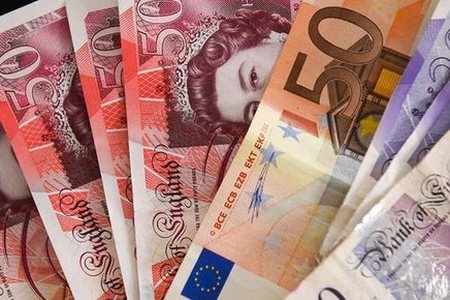
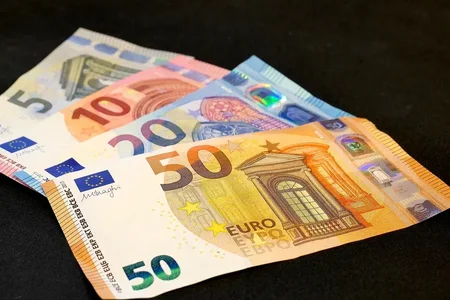
Technically, the fact that one euro is worth $1.16 is the norm, not the exception. When the euro was launched on January 1, 1999, its exchange rate against the dollar happened to be 1.16. There were a few years of mistrust (and defiance) as the euro weakened to 0.853, then the turning point came in 2002, and for ten years between 2004 and 2014, the exchange rate fluctuated between 1.34 and 1.38, peaking at 1.58 in July 2008, due to the subprime mortgage crisis. In April 2015, the dollar strengthened and entered another ten-year fluctuation range, between 1.04 and 1.08, reaching 1.04 last February. Then it rose to 1.18 about ten days ago. This means that the current level of the dollar-euro exchange rate is not that extraordinary and that, on a cyclical level, the market is looking for a new range of fluctuations in light of the new macro/political context.
Inflation is a concern, but we are simply waiting to see what happens due to the lack of data due to the US government shutdown. Politically, the volatility of rates and the imminent Federal Reserve meeting in May add to the uncertainty, while Trump will try to impose interest rate cuts, accelerating inflation concerns. As in past decades, the 10% to 12% loss in value against the euro is due to perfectly normal macroeconomic factors. Starting with the exploding US debt, due to Biden's massive anti-Covid fiscal stimulus and then Trump's "Beautiful Bill", which further cut taxes without curbing spending.
Overall, the US debt is approaching $38 trillion, with interest payments of $1.2 trillion per year! In percentage terms, the debt-to-GDP ratio has increased from 78% in 2019 to 123% today, according to the IMF projections discussed above. This compares with a debt-to-GDP ratio for the euro area estimated at 88%, which will generally remain stable in the coming years. In these circumstances, short-term uncertainties around the dollar are fully justified. Therefore, there is no end to the “Dollar Low”, but only a normal readjustment of the fluctuation band. Also, despite the difficulties, no single currency is currently stable.
Even Ken Rogoff says this in his latest book, dedicated to the American currency. I might add that in 2006, Paul Volcker, the legendary chairman of the Federal Reserve, observed how incredible it was that the dollar could maintain its value without any collateral or guarantee to support it. He gave himself the answer: the world only needs "faith in the nation that oppresses it". And this strength, faith in America, including that of Trump, remains and will continue. Perhaps also because of the lack of alternatives. / Adapted from "Pamphlet" by "Corriere Della Sera"





Kush ka vendosur bast kunder usa ne 200 vjetet e fundit ka humbur gjithmone -Warren Buffett !
Sakte.
Corriere dela Sera eshte gazete e majte, fatkeqesisht. Edhe sikur te falimentoje perkohsisht dollari, ekonomia amerikane eshte aq e gjere dhe e avancuar saqe brenda nji kohe te shkurt, do ta rimerrte plotesisht veten. Kete e kuptojne e pranojne vetem ato qe jetojne ne Amerikeose e njohin mire ate. Per krahasim, prodhimi vertet i rendesishem i Italise eshte Fiat, jo robat firmate, apo djathi parmixhan, Vera toskane, dhe Turizmi qe marrin fund menjehere. Amerika ka industri te rende, ka reserva minerare, bujqesi, teknologjine me te avancuar ne bote, dhe industri ushtarake. Kurrsesi nuk falimenton.