


 Shkruar nga Zheljko Ivanoviç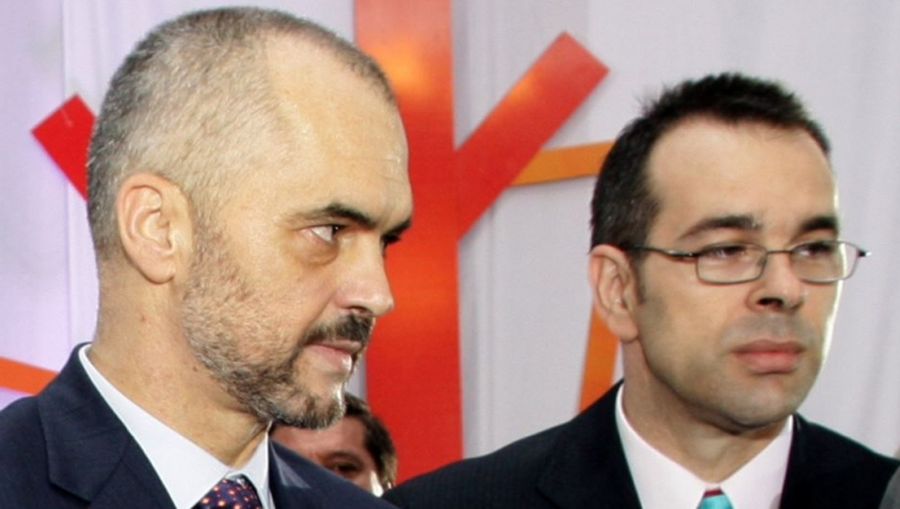
From Podgorica to Belgrade and Tirana, history is repeating itself: long-term power produces autocracy, while family members often foot the bill...
In politics, as in sports, a true player must know when it's time to hang up his boots. Ignoring reality, when it clearly tells you the game is over, usually backfires.
In 2019, Serbian analyst and former politician Zoran Čičak floated the idea of the “brothers” of the Balkan octopus. He mentioned the Haradinaj brothers, the Rama brothers, and the Gjukanović brothers. Later, the list was expanded to include other names in Serbia: Stefanović, Petković, Mali, Vučić, and even Brnabić. The idea was simple: in the Balkans, power is rarely individual; it is familial.
Years earlier, the same author had compiled a list of advice for an imaginary Serbian oppositionist aspiring to power: never make a pact with criminals, especially Montenegrins and Albanians; never make deals with foreign services, especially British ones; the combination of the two is often fatal. But the most important advice was this: no one is eternal. Learn to anticipate political defeat and retreat with dignity.
This message seems more relevant today than ever in Montenegro. When it comes to Milo Djukanović, the dilemma is no longer just political, but also personal. The arrest of his brother, the weapons issues, the ammunition forgotten at home; all create a picture where long-term power produces unpredictable consequences. History shows that very few leaders have known how to retreat in time. From Nicolae Ceauşescu to Slobodan Milošević, from Muammar Gaddafi and Hosni Mubarak, to Nikola Gruevski or Nicolás Maduro, the end has rarely been peaceful. For the leader, for the family and for the country.
In Serbia, the question is being asked about Aleksandar Vučić: has the time come for "shoes on nails"? Or could the inevitable epilogue be a day when, instead of political opponents, the closest people will end up facing justice? Names like Andrej Vučić are often mentioned in public discourse, between accusations and counter-accusations, making the line between power and family increasingly unclear.
In Albania, Edi Rama seems more stable and sophisticated in style. But the media and international observers accuse him of centralizing power, systemic corruption, and shady connections between politics and the oligarchy. The name of his brother, Olsi Rama, is often mentioned in the media as a symbol of this intertwining of business and power. According to public reports, his wealth is estimated at hundreds of millions of euros, mainly in sectors such as telecommunications and the gambling industry. In Montenegro, the wealth of Djukanović's brother is estimated at similar figures, with roots dating back to the transition of the 1990s to banking and real estate investments.
The case of North Macedonia is illustrative. Nikola Gruevski managed to flee to Hungary, under the political protection of Viktor Orbán. Meanwhile, his cousin Saša Mijalkov, the former head of the secret services, faced serious charges of abuse of office and organized crime. Although he was sentenced to prison, he ended up on probation. The message? Justice in the Balkans often comes late, or with compromise.
Against this backdrop, the joint letter of Vučić and Rama to Brussels, proposing integration into the European single market without full membership, is seen by critics as an attempt to secure economic benefits without jeopardizing internal control. According to this interpretation, it is about trade without borders, but power without legal restrictions.
The Balkan paradox is clear: leaders talk about reform and European integration, but on the ground they strengthen control over parliament, institutions, the judiciary, and the media. And when the moment of accountability comes, it is often family members who are the first to step onto the scene of responsibility.
“When you leave, be a gentleman. Don't complain about fate. And don't come back; politicians are not sarmas that are best enjoyed warm,” was one of Çičak's pieces of advice. It is unlikely that this message will be heard in Tirana, Belgrade, or Podgorica.
The Balkans continue to produce a familiar pattern: long rule, entwined families, vast fortunes, and an uncertain end. The Balkan brothers remain a symbol of this symbiosis between blood and power. And history shows that this bond, sooner or later, demands a price.


Me i rezikshem eshte Olsi, ai rri nën hije,dhe drejton ne heshtje,thjeshte financier i familjes së mykur.
ZOTI JUA SHFAROSTE RACEN O VLLAZERI E PADENJE, OLSI VEPRUESI I HESHTUR PASTRIMI EDI PUSHTETI I PARAS SE PISTE. LUSIM T HAKMERRRRREEEETTTT PERENDIA SE KTO JANE BIJTE E DJALLIT.