


 Shkruar nga Pamfleti
Ukraine's relations with Trump's US have deteriorated. Kiev is considering new avenues for help in the fight against Russia. Zelensky is seeking support in Europe and the Gulf region...
After a year of deteriorating relations with the United States, Ukraine is considering alternatives for material support as the war with Russia continues and the possibility of a peace deal remains remote.
“When Donald Trump was elected, many people in Kiev hoped he would bring a welcome change,” John Hardie, deputy director of the Russia Program at the Foundation for Defense of Democracies (FDD), told Newsweek, adding that “now Ukrainians are trying to maintain relations with Washington because they can’t afford to lose. The frustration is palpable.”
US-Ukraine relations remain tense
Former US Deputy Secretary of Defense for Defense Policy James Anderson, who served during the first Trump administration, told Newsweek that the US and Ukraine continue to cooperate closely, especially in intelligence sharing and other forms of non-military support.
"I don't believe that relations between Ukraine and the United States have been irreversibly damaged, but they are clearly strained and are likely to remain so for some time," Anderson said.
He added that Trump “is not inclined to provide Ukraine with direct military support, other than intelligence.” Newsweek reached out to the Ukrainian Foreign Ministry and the U.S. State Department for comment last week but did not receive a response.
Trump expresses disappointment over war with Russia
When Trump returned to office, Ukrainians reacted with cautious optimism and pragmatism, hoping that American support would continue despite uncertainties about the president's foreign policy.
Over the next year, Trump tried to negotiate a peace deal for Ukraine, a goal he had declared he would achieve within the first 24 hours of his second term. However, he later admitted that the process was much more complicated than he had anticipated.
After months of negotiations, Trump said he had to accept the possibility that Russian President Vladimir Putin had deceived him during the talks.
Trump's frustration wasn't just directed at Moscow, however. Relations between him and Ukrainian President Volodymyr Zelensky soured after a public row in the Oval Office last February. Trump continued his criticism in the months that followed, accusing Zelensky of being inflexible in negotiations.
Në gusht, Zelensky u rikthye në Shtëpinë e Bardhë për t’u takuar me Trump, në përpjekje për të rregulluar marrëdhëniet dhe për të siguruar mbështetje për përfundimin e luftës që nisi në shkurt 2022. Megjithatë, në janar të këtij viti, Trump fajësoi Ukrainën për ngecjen e bisedimeve të paqes, duke deklaruar se Putini ishte i hapur për një marrëveshje, ndërsa Ukraina ishte “më pak e gatshme”.
Zelensky kërkon aleatë të rinj në Lindjen e Mesme
Muajin e kaluar, Zelensky zhvilloi një turne në Lindjen e Mesme dhe Turqi për të forcuar marrëveshje dhjetëvjeçare në fushën e sigurisë dhe mbrojtjes. Disa analistë e interpretuan këtë si një sinjal për një orientim të ri diplomatik. Atlantic Council, organizatë amerikane me fokus marrëdhëniet ndërkombëtare, raportoi se Zelensky vizitoi Arabinë Saudite, Katarin, Emiratet e Bashkuara Arabe, Turqinë dhe Sirinë.
Deri tani, SHBA-ja ka vënë në dispozicion ose ka miratuar 183 miliardë dollarë për Ukrainën dhe operacionin “Atlantic Resolve”. Nga kjo shumë, 130.1 miliardë dollarë janë angazhuar në buxhetet e viteve 2022–2024, ndërsa 86.7 miliardë janë disbursuar. Council on Foreign Relations (CFR) e rriti këtë shifër në 188 miliardë dollarë deri më 31 dhjetor 2025.
Evropa po merr një rol më të madh
Hardie dhe Anderson theksuan se SHBA-ja mbetet aleati më i rëndësishëm i Ukrainës, por të dy ranë dakord se Evropa është alternativa më e mirë për mbështetje shtesë.
“Duket se Ukraina po mbështetet gjithnjë e më shumë te shtetet evropiane për një gamë të gjerë ndihmash”, tha Anderson, duke shtuar “në aspektin financiar kjo nënkupton mbështetjen e Bashkimit Evropian dhe vazhdimin, madje rritjen, e ndihmës nga vendet anëtare të NATO-s përveç SHBA-së.”
Megjithatë, roli i Evropës si garantues alternativ i sigurisë së Ukrainës komplikohet nga qëndrimi amerikan. Trump ka kritikuar prej kohësh vendet evropiane të NATO-s që nuk përmbushin objektivat për shpenzimet ushtarake.
Ai ka kërcënuar disa herë me tërheqjen e SHBA-së nga aleanca ose me përjashtimin e anëtarëve që nuk përmbushin detyrimet. Si rezultat, disa vende të NATO-s, sidomos ato më pranë Rusisë, kanë rritur ndjeshëm shpenzimet për mbrojtjen. Sipas Hardie, kjo krijon një konflikt interesi mes ndihmës për Ukrainën dhe forcimit të mbrojtjes kombëtare. “Një Ukrainë e fortë është një përfitim i madh për sigurinë evropiane”, tha ai, duke shtuar “një sulm rus ndaj NATO-s do të ishte shumë më i rrezikshëm për Moskën nëse Rusia do të përballej njëkohësisht me një ushtri të fortë ukrainase në kufi”.
Ai shtoi se vendet evropiane kanë investuar edhe në prodhimin e armëve në Ukrainë dhe në sipërmarrje të përbashkëta ushtarake. Anderson e quajti këtë qasje “strategjia evropiane” e Ukrainës, të cilën Kievi pritet ta prioritizojë për sa kohë Trump mbetet president. Ai tha se administrata aktuale amerikane duket se favorizon një shpërndarje më të madhe të barrës financiare dhe ushtarake te aleatët evropianë.
Lufta me Iranin ndikon te ndihma për Ukrainën
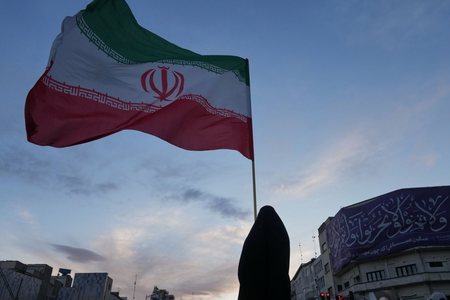
Anderson also said that the war with Iran has complicated the US's ability to maintain the same level of support for Ukraine. According to him, Operation Epic Fury consumed large amounts of US ammunition, making it even less likely that the US would directly supply Ukraine with weapons.
Ukraine also benefits from NATO's PURL (Prioritized Ukraine Requirements List) initiative, through which NATO allies pay the US to supply Ukraine with weapons and other materials.
This initiative was created after the Trump administration criticized the costs to American taxpayers and called for the burden to be shared more widely among allies.
Ukraine seeks support in the Persian Gulf as well
Hardie cited Canada as one of Ukraine's most important supporters after the US and the European Union.
He also emphasized that several Middle Eastern countries have offered various forms of assistance.
"Turkey has offered some military assistance and has brokered peace talks. Meanwhile, Ukraine has also reached agreements with the Gulf states," Hardie said.
However, he warned that these partnerships have limitations.
"Saudi Arabia possesses Patriot missiles that would be very useful to Ukraine, but it remains unclear whether Riyadh is willing to provide them," he said.
He added that some Middle Eastern countries continue to indirectly help Russia through the purchase of Russian gas and oil, the transit of dual-use goods, and the Emirates' role as a hub for Russian oil traders.
Ukraine invests in drone technology
Ukraine is trying to use its experience in drone technology to strengthen cooperation with Gulf countries.
Following agreements with Saudi Arabia and Qatar, Kiev is trying to position itself as a "drone superpower."
In March, Zelensky stated that he had discussed cooperation on drone technology with several Middle Eastern leaders.
However, he stressed that any support should not weaken Ukraine's defenses and help efforts against Russia.
"We help protect those who support Ukraine in its effort to end the war with Russia," Zelensky said.
Ukraine has developed inexpensive anti-drone systems costing around $1,000, changing the way air defense works and attracting the attention of other countries.
However, according to Anderson, support from the Middle East will remain limited.
"What Ukraine really needs are advanced systems that countries like Germany, the UK, France, Italy and Spain can offer, long-range missiles, precision artillery and modern air defense systems," he said. /Adapted from Newsweek /


Lini një Përgjigje