


 Shkruar nga Pamfleti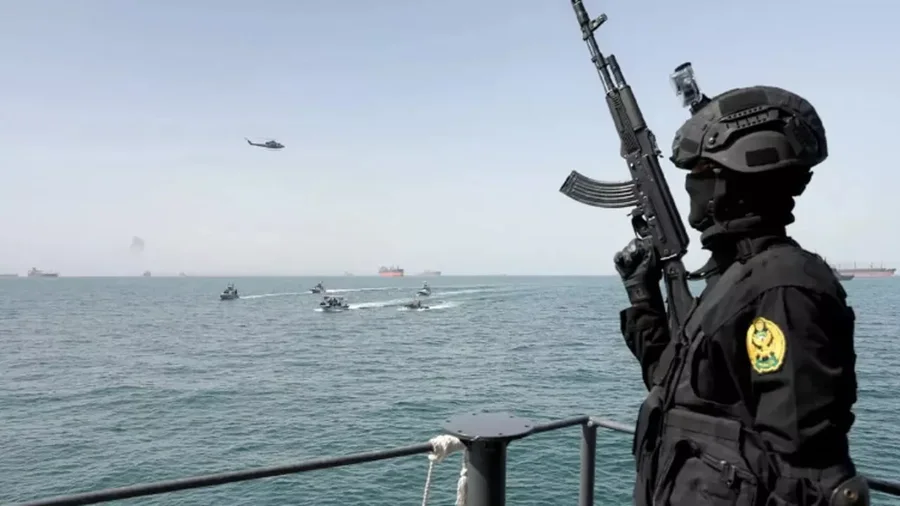
Tensions in the Middle East remain high, as military operations and diplomatic efforts are taking place simultaneously on several fronts.
Israeli airstrikes in Lebanon continue, while civilian casualties are reported in the West Bank, including a newborn baby killed by Israeli fire. At the same time, efforts to reach a ceasefire between Israel and Hezbollah are intensifying, although several key issues remain unresolved.
The speaker of the Lebanese parliament said Hezbollah is ready to withdraw from border areas if the Israeli military (IDF) does the same, opening the way for a lasting ceasefire. However, there are differing views within Lebanon on the terms of the deal and the role the Iran-backed group should play.
Meanwhile, the conflict between the United States and Iran continues to produce tensions in the Persian Gulf region. The Iranian Revolutionary Guard announced that it had carried out attacks on bases it considers enemy in the region, following American operations against Iranian radar systems on the island of Qeshm and the Goruk area. According to the US Central Command, the attacks were defensive in nature and aimed at neutralizing threats to American ships and interests in the Strait of Hormuz.
Kuwait and Bahrain raised security alerts after missile and drone attacks, with Kuwaiti authorities confirming that air defense systems were engaged to repel the attacks. At the same time, Washington authorized the sale of nearly $2 billion worth of advanced anti-drone systems to Kuwait, in a move aimed at bolstering the defenses of its allies in the region.
On the diplomatic front, US President Donald Trump has said that a deal with Iran is still possible, although negotiations are struggling. According to him, Iranian leaders are delaying a deal because of their pride and strong political stance. On the other hand, Iranian officials have made it clear that a key condition for progress in the talks remains the release of billions of dollars in frozen Iranian assets by the US.
Advisers to the Iranian leadership have warned that the failure of negotiations could lead to a new escalation of the conflict, while Tehran demands that a significant portion of the blocked funds be released immediately after signing a memorandum of understanding with Washington.
Despite the tensions, there are positive signs on the diplomatic front. The Director of the International Atomic Energy Agency (IAEA), Rafael Grossi, stated that the US and Iran are close to reaching a framework agreement on the Iranian nuclear program. Such a development would constitute the most important step towards reducing tensions between the two countries after years of clashes, sanctions and mutual threats.
Amid attacks, negotiations, and regional rivalry, the Middle East continues to remain one of the most unstable areas in the world, while developments in the coming days are expected to determine whether the region will move towards de-escalation or a new phase of confrontation.




Lini një Përgjigje