


 Shkruar nga Pamfleti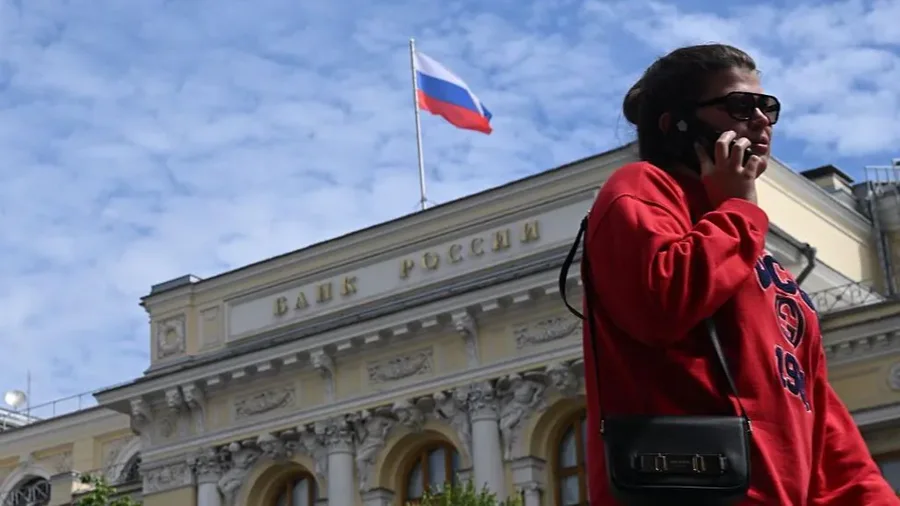
The use of cash is rapidly returning to Russia, while mobile internet outages and economic hardship caused by the war in Ukraine are increasingly affecting the way citizens and businesses make payments.
According to data from the Central Bank of Russia, analyzed by the BBC, 1.56 trillion rubles (about $20 billion) have been put into circulation since the beginning of the year, the largest increase for this period in any year, with the exception of the COVID-19 pandemic.
This phenomenon is linked to the wave of Ukrainian drone attacks, which have forced Russian authorities to frequently cut off mobile internet in large areas of the country. As a result, many citizens have been unable to make card payments.
"Keeping cash gives you a sense of security. If an emergency happens and the network goes down, I know I can buy at least the basics," a Moscow resident, who asked to remain anonymous, told the BBC.
This is not the first time that Russians have resorted to cash during the war. Large cash withdrawals were also recorded after the announcement of partial mobilization in September 2022, as well as during the rebellion of the Wagner mercenary group in June 2023.
However, the increase in cash payments is creating a new problem for the Kremlin. The state is finding it harder to collect taxes at a time when it faces a growing budget deficit and needs more revenue to finance the war in Ukraine.
Although oil and gas revenues have increased thanks to higher oil prices following the conflict with Iran, the Russian economy is slowing. The Russian Economy Ministry in May cut its 2026 economic growth forecast to just 0.4%, the lowest level since 2022.
In an effort to boost revenues, the government increased VAT from 20% to 22% in January and lowered the threshold above which small and medium-sized businesses must pay it.
Faced with higher taxes and falling profits, many businesses – including pharmacies, restaurants, beauty salons and small shops – are asking customers to pay in cash so that a portion of the revenue goes unrecorded.
"Many stalls in the market have closed because it is no longer economically viable. Those that remain are asking customers to pay in cash whenever possible," said a shopkeeper from the city of Pskov.
Even the financial director of Russia's largest bank, Sberbank, Taras Skvortsov, warned that there are increasing cases where businesses pay salaries "in envelopes", outside the official system.
According to a survey by the largest small business association in Russia, Opora Russia, about 6% of entrepreneurs admitted to using informal schemes to avoid the new fiscal burden, by not issuing tax receipts or paying employees in cash.
According to the BBC, the return of cash is becoming an indicator of economic uncertainty and the challenges that the war is imposing on the Russian economy.




Lini një Përgjigje