


 Shkruar nga Pamfleti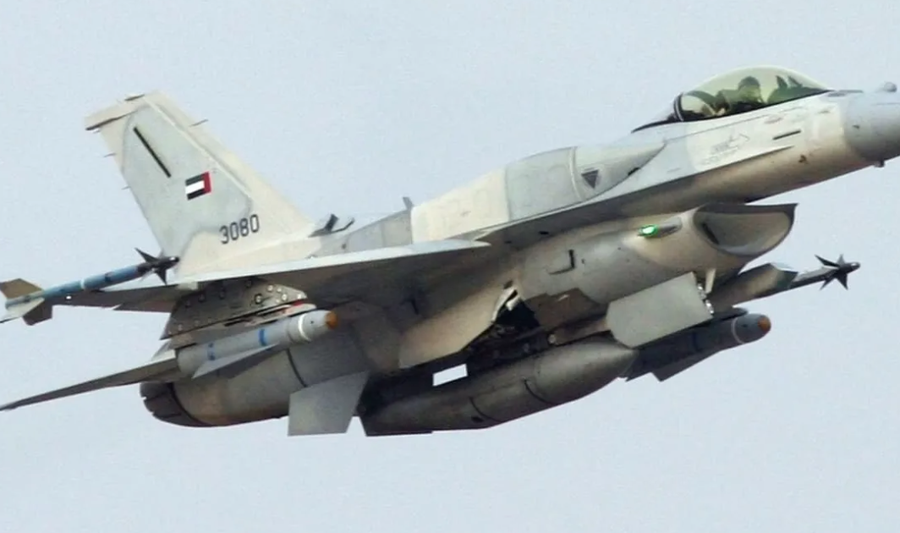
The United Arab Emirates (UAE) carried out dozens of airstrikes on Iran during the conflict that ended in early April with the US-Iran ceasefire, the American newspaper The Wall Street Journal (WSJ) reported.
According to the report, the UAE coordinated the operations with the United States and Israel, using intelligence provided by both countries. The primary targets were Iranian energy installations, in response to attacks that Tehran had carried out on the Emirati oil and gas infrastructure.
WSJ writes that, although Gulf countries initially stated that they would not allow the use of their bases or airspace for operations against Iran, some of them changed their stance after Iranian attacks on targets in the region.
According to the same report, Iran launched over 2,800 missiles and drones against the United Arab Emirates during the war, a higher number than against any other country, including Israel.
In response, the UAE, in cooperation with the US and Israel, struck several Iranian targets, including the islands of Qeshm and Abu Musa in the Strait of Hormuz, the port city of Bandar Abbas, and the oil refinery on Lavan Island in the Persian Gulf.
One of the most controversial attacks, according to the WSJ, targeted the Asaluyeh petrochemical complex. The newspaper reported that the operation was carried out in cooperation with Israel and caused international reactions. Among the critics was US President Donald Trump, who urged Israel to stop striking Iranian energy facilities.
However, Israeli Prime Minister Benjamin Netanyahu stated that "Israel acted alone against the Asaluyeh gas complex," denying the involvement of the Emirates in that particular operation.
The report also notes that cooperation between Israel and the Emirates strengthened during the conflict. According to the WSJ, Israel sent Iron Dome air defense systems and military personnel to the Emirates, while several senior Israeli officials paid visits to the country.
Among them are Mossad Director David Barnea, Shin Bet Director David Zini, Israel Defense Forces Chief of Staff Lt. Gen. Eyal Zamir, and Netanyahu himself. The latter's visit was initially denied by the UAE Foreign Ministry but later confirmed by the Israeli Prime Minister's office.
Meanwhile, Saudi Arabia has expressed concern about Abu Dhabi's more aggressive approach towards Iran. According to previous reports, Riyadh has told Washington that the Emirati attacks could increase the risk of Iranian retaliation across the region.
A Bloomberg report published earlier this month suggested that the Emirati president, Sheikh Mohammed bin Zayed Al Nahyan, was unhappy with some Gulf neighbors, including Saudi Arabia and Qatar, after these countries refused to coordinate militarily against Iran.
According to Bloomberg, this dispute deepened existing tensions between the Emirates and Saudi Arabia. The report estimates that this could explain Abu Dhabi's further rapprochement with Israel, as well as the Emirates' decision to withdraw from OPEC and OPEC+ at the end of April.







Lini një Përgjigje