


 Shkruar nga Steve Hewitt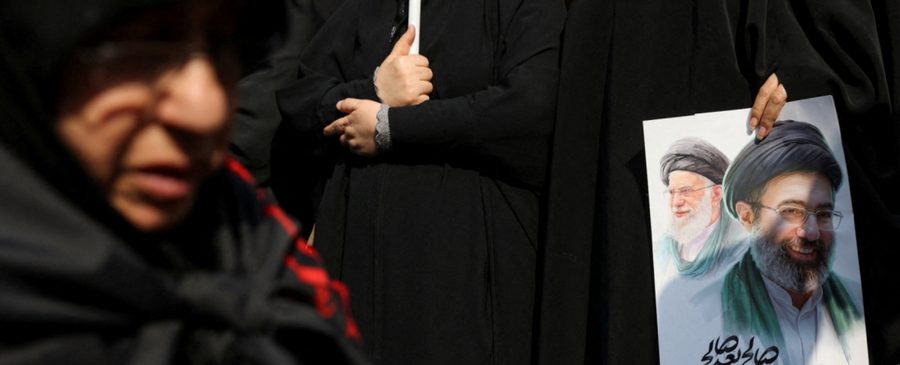
When it comes to eliminating politically important individuals, states are often in the best position to do so, as a long history of state assassinations attests. But is there evidence that this is effective?
Terrorists once had a near monopoly on the assassination of important figures. Between 1894 and 1901, individuals acting in the name of anarchism assassinated the president of France, the prime minister of Spain, the empress of Austria, the king of Italy, and, most spectacularly, the president of the United States.
After the assassination of President William McKinley in Buffalo, New York, in 1901, the U.S. government organized what was effectively the first international effort to combat terrorism. Other countries also improved the security of political figures.
In the United States, the Secret Service began providing permanent security to presidents in 1902. However, protecting important figures did not make assassinations by non-state actors impossible.
For example, in October 1934, a single assassin killed King Alexander I of Yugoslavia and French Foreign Minister Louis Barthou in Marseille, France. And Lee Harvey Oswald succeeded in assassinating President John F. Kennedy in Dallas, Texas, in November 1963.
Strengthening security measures for leaders made it much more difficult for non-state actors to carry out attacks. Ironically, those most capable of carrying out assassinations of political figures were states themselves. They had the resources, reach, and expertise to go after their enemies.
Open and secret murders
Two different types of state assassination emerged in the 20th century and continue today. One involves the overt killing of a leader or important figure by state agencies, where responsibility is clear and sometimes even desired as a way to “send a message.”
And the other involves blurring the boundaries between state and non-state actors. Sometimes this is done to hide responsibility. One of the most consequential assassinations of the 20th century falls into the second category: the assassination of Archduke Franz Ferdinand and his wife in Sarajevo in June 1914, which triggered the First World War.
Although Gavrilo Princip (one of the six Bosnian nationalist assassins) fired the fatal shots, he and his group had considerable assistance from Serbian state agencies.
During the 20th century and now in the 21st century, two countries have stood out as masters of assassinating political enemies using both approaches: Russia (and the Soviet Union) and Israel.
Ice axes and poisons
Një plan kompleks i shërbimit sekret sovjetik NKVD, çoi në vrasjen e kundërshtarit të madh të Stalinit, Leon Trocki, në Mexico City në gusht 1940, me një goditje me sëpatë akulli në kokë.
Që nga fundi i Luftës së Ftohtë, dhe veçanërisht gjatë sundimit të ish-agjentit të KGB-së Vladimir Putin, vrasjet ndaj kundërshtarëve politikë rusë janë kryer vazhdimisht nga inteligjenca ruse ose nga operativë që veprojnë në emër të saj.
Një listë e gjatë armiqsh të shtetit rus në vende të ndryshme janë vrarë, përfshirë Zelimkhan Yandarbiyev, ish-president i Çeçenisë, i cili gjeti vdekjen në Katar në vitin 2004 nga një bombë në makinën e tij. Një gjykatë në Katar dënoi dy shtetas rusë, duke e lidhur sulmin me shtetin rus.
Shteti tjetër që ka përdorur në mënyrë të vazhdueshme vrasjet politike është Izraeli. Për dekada, ai ka vrarë mbi 100 kundërshtarë, si figura të nivelit të ulët ashtu edhe liderë politikë.
Filmi i Steven Spielberg “Munich” tregon historinë e një skuadre të Mossad-it që kërkon të eliminojë përgjegjësit e sulmit ndaj ekipit izraelit në Olimpiadën e Mynihut 1972. Ndër figurat më të njohura të vrara nga Izraeli ishte Sheikh Ahmed Yassin, themeluesi i Hamasit, i vrarë me raketë në vitin 2004.
Në vitin 1997, Mossad tentoi të helmonte Khaled Mashal, atëherë udhëheqës politik i Hamasit, por operacioni dështoi dhe Izraeli u detyrua të dorëzonte antidotin për ta shpëtuar.
Ai i shpëtoi për pak vdekjes edhe në shtator 2025, kur Izraeli kreu një sulm ajror ndaj udhëheqësve të Hamasit në Katar.
Në Bejrut në vitin 2024, ndoshta i inkurajuar nga operacionet e mëparshme dhe rritja e vendeve që përdorin vrasje, Izraeli vrau udhëheqësin e Hezbollahut Sheikh Hasan Nasrallah.
Këtë vit, ai vrau edhe udhëheqësin suprem të Iranit, Ali Khamenei. Ndërkohë dhe më pas, janë vrarë udhëheqës të Hamasit në Gaza, shpesh vetëm pak ditë pas zëvendësimit të paraardhësit të vrarë.
Megjithëse Izraeli dhe Rusia janë ndër më aktivët në vrasjen e armiqve, edhe vende të tjera kanë marrë pjesë në operacione të ngjashme. Koreja e Veriut ka shënjestruar disa politikanë të Koresë së Jugut, përfshirë (pa sukses) presidentin në vitet 1968 dhe 1983.
Shtetet e Bashkuara kanë gjithashtu një histori të gjatë përfshirjeje në atentate. CIA ka tentuar të vrasë liderin kuban Fidel Castro dhjetëra herë në vitet 1960 përmes skemave të ndryshme, përfshirë puro të helmuara.
Një operativ i CIA-s u dërgua për të vrarë politikanin kongolez Patrice Lumumba në vitin 1961, por ai u ekzekutua nga ushtria kongoleze përpara se plani të zbatohej. Kur këto operacione u bënë publike në fillim të viteve 1970, presidenti Gerald Ford nxori Urdhrin Ekzekutiv 11905 në vitin 1976, i cili ndalonte vrasjet politike nga agjencitë amerikane.
Ky ndalim u pasua edhe nga Jimmy Carter dhe Ronald Reagan.
Vrasje të synuara
Pavarësisht këtyre urdhrave, kufizimet mbi vrasjet shtetërore mbeten të debatueshme. Një makinë-bombë në Beirut në mars 1985, synonte një klerik të lartë shiit të lidhur me Hezbollah, por vrau 80 persona në vend të tij.
In his book “Veil,” famed American journalist Bob Woodward claims the attack was sponsored by the CIA. A little over a year later, the US Air Force bombed Libya in response to an attack on American soldiers in West Berlin.
One of the targets was the residence of Libyan leader Muammar Gaddafi. The White House acknowledged that he could be killed in the strike and even prepared a statement to that effect. Any final restrictions on American assassinations were loosened after the attacks of September 11, 2001.
Since then, "targeted killings" have become regular American practice, including drone strikes and operations that culminated in the killing of Osama bin Laden in 2011.
Given the prevalence of state assassinations, including those of politically important figures, the assumption would be that such methods are strategically effective. However, such a conclusion is difficult to prove.
In fact, given the rate of Israeli killings and the reality that the country is still at war on several fronts in 2026, it is difficult to say whether these killings have made any difference. Rather than eliminating a threat, perhaps killing the enemy simply creates more enemies. /Pamphlet from “Al Majalla”






Lini një Përgjigje