


 Shkruar nga Pamfleti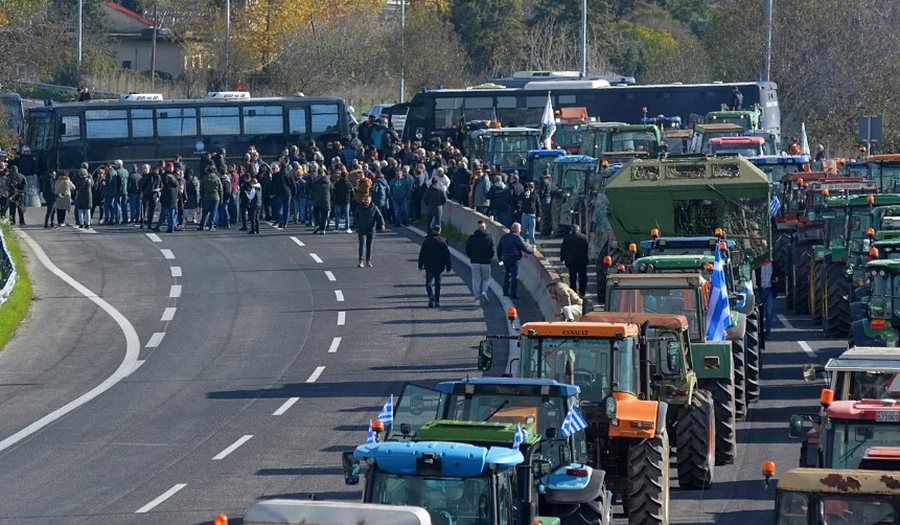
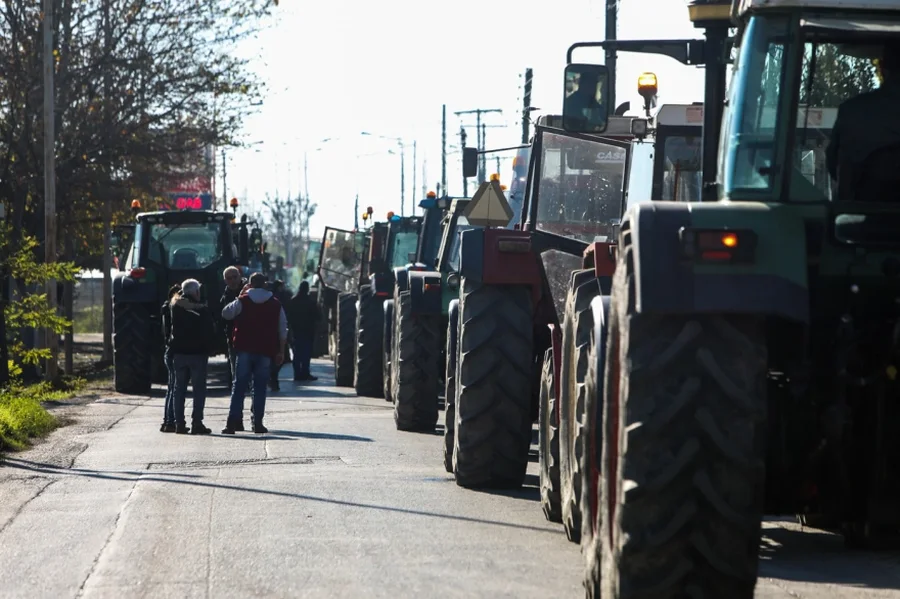
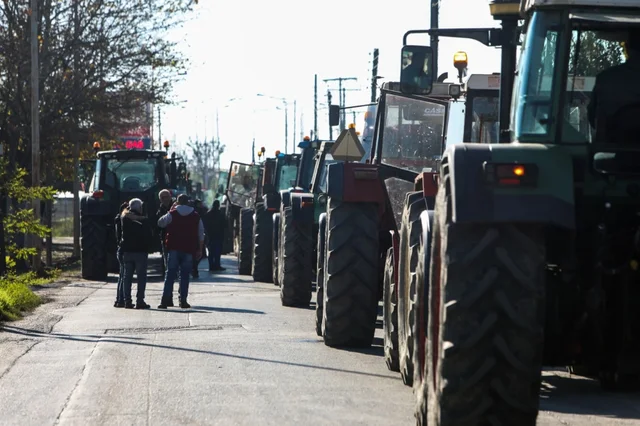
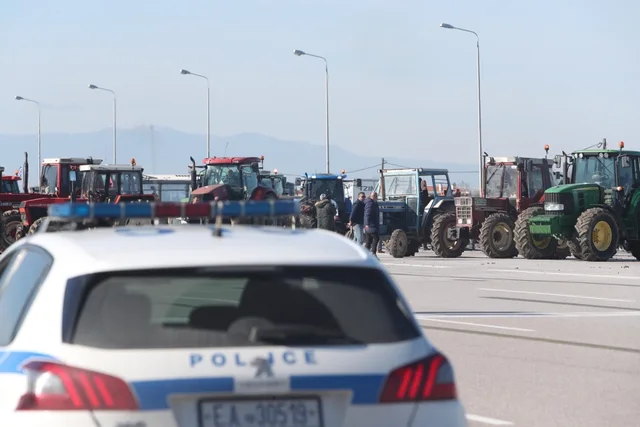
Greek farmers have blocked major national roads with tractors, in protest against rising production costs, low prices and delays in government payments.
The blockade follows the arrest of several people last week in an agricultural fraud case that revealed millions of euros in illegal subsidies were distributed by OPEKEPE, the organization responsible for EU agricultural funds. The scandal has caused widespread discontent among farmers and prompted additional scrutiny of subsidy payments in the country.
During the preliminary investigation, it was discovered that around 324 people were beneficiaries of subsidies worth 19.6 million euros, according to the European Public Prosecutor's Office (EPPO).
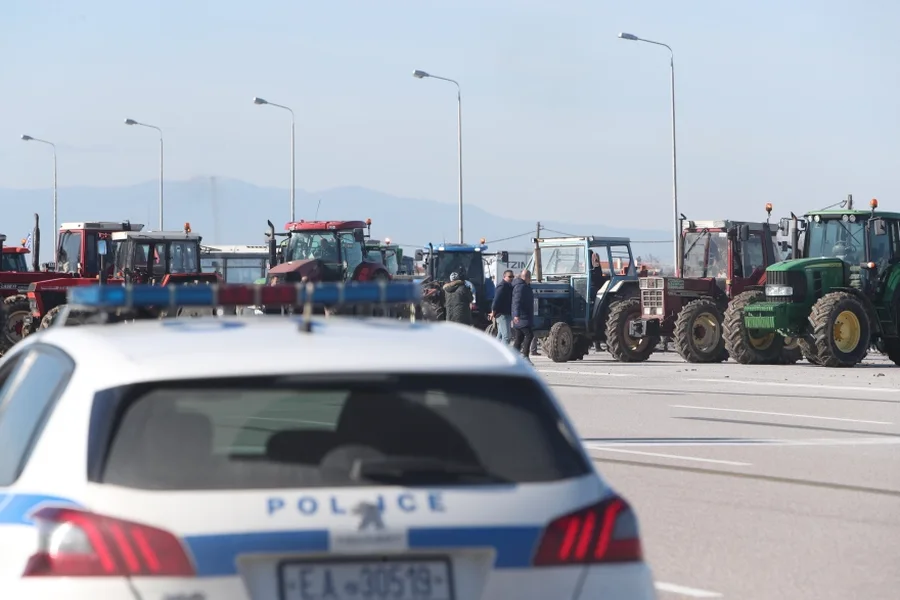
Farmers and agricultural associations are staging demonstrations on the critical Athens-Thessaloniki highway, bringing in more machinery and tractors to reinforce the blockade. Earlier on Monday, the highway remained closed around Nikaias in Larisa, the capital of the northwestern region of Thessaly, as traffic police diverted vehicles via alternative routes to avoid major disruptions. The farmers warned that they would continue the blockades if their demands were not met.
According to the Federation of Agricultural Associations, “the blockade at the Megalochori intersection will continue and Trikala farmers will protest next Wednesday.” A blockade is also expected in eastern Thessaloniki.
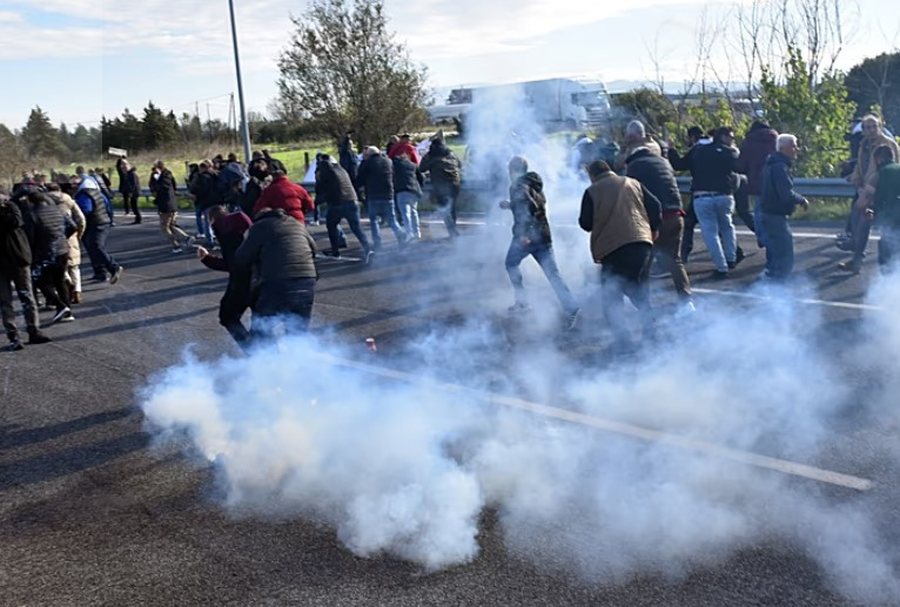
Incidents during the first day of the action
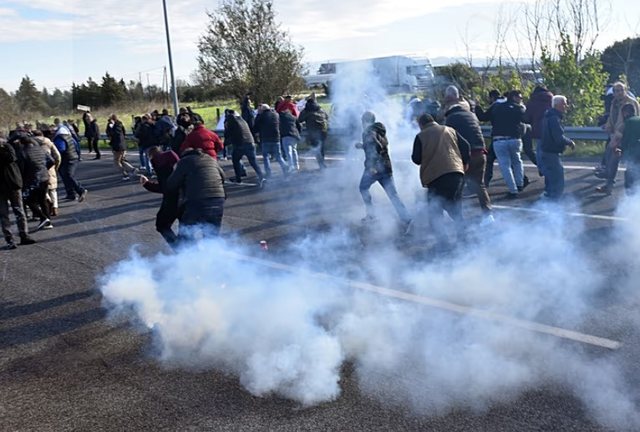
The first day of the mobilization, Sunday, was marked by incidents in the villages of Nikaia and Platykampos in Larisa, where farmers clashed with police. Two farmers and two police officers were injured, according to the ELAS movement. Police made three arrests: two in Platykampos for violence, damage and resistance, and one at the Nikias intersection for bodily harm and resistance.
At the Larissa courthouse, farmers renewed their "meeting" after Sunday's mobilization outside the Police Department, demanding the release of those arrested.
Without any guarantees or statements from the government, the protests are expected to spread across Greece by December 5, with more roadblocks - a tactic often used by farmers to put pressure on the authorities.






Lini një Përgjigje