


 Shkruar nga Francesca Salvatore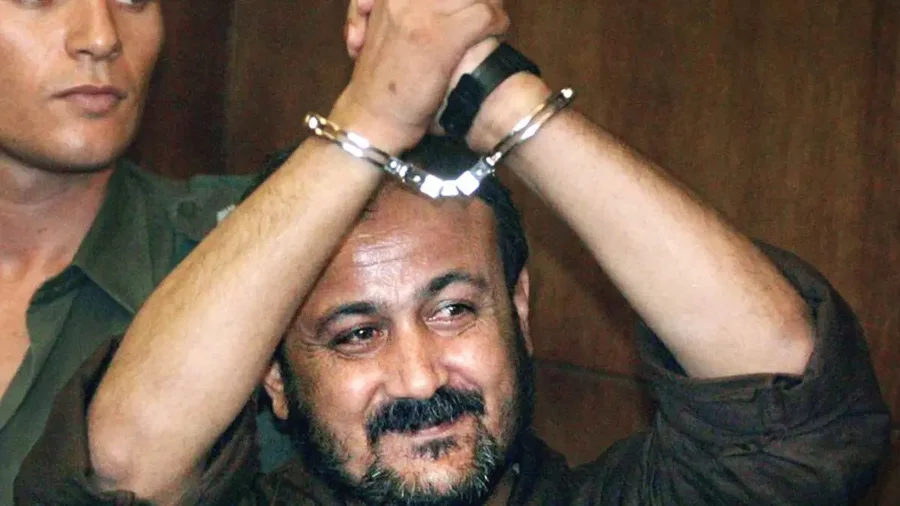
Barghouti's name continues to resurface in every diplomatic discussion about the future of the West Bank and the possibility of a new Palestinian leadership...
In the village of Kobar, north of Ramallah, Marwan Barghouti's childhood home is now a half-destroyed building, its cracked walls telling the story of the most popular Palestinian leader, detained in Israel since 2002 and sentenced to five life sentences for his role during the Second Intifada.
To Israel, he is a terrorist, believed to have ordered five assassinations carried out by Fatah militants. To many Palestinians, he is a political prisoner.
For months, the family has reported a deterioration in his detention conditions. In mid-September, according to the testimonies of 5 former prisoners released in the Israeli hostage swap, Barghouti was allegedly assaulted by 8 prison guards during a transfer. The Israeli government has denied the incident. However, human rights organizations and prison sources confirm a prolonged regime of isolation that began with the war in Gaza in October 2023. According to his brother, interviewed by Repubblica, "it is not the first time they have beaten him".
Barghouti, 66, is a member of the Palestinian Legislative Council and represents a cross-party figure, popular with both Hamas supporters and Fatah critics. Recent polls put him on the side that would receive 60 to 70 percent of the vote in a potential presidential election. His name has been included several times in prisoner exchange negotiations, but the Israeli government has always refused. In July 2025, his release was also excluded from indirect ceasefire negotiations with Hamas, for fear that his release would strengthen the Palestinian nationalist front.
Barghouti was born in 1959 in Kobar, to a modest family, his father a bricklayer. As a teenager, he attended political meetings in the village bazaar, then a stronghold of the Palestinian left. At the age of 14, he attended official commemorations of Nasser's death, and in 1976, he was first arrested after the "Land Day" demonstrations, in which six Palestinians died. For his brother Muqbel, Marwan's political involvement stemmed from everyday incidents: like the killing of the family dog.
The Barghouti family believes that the Palestinian leadership also fears Marwan's influence. "Abu Mazen could have done much more for his release, but he didn't," Muqbel notes.
According to analysts, President Abbas sees Barghouti as a potential rival. Barghouti has been held in pretrial detention for 23 years. His physical condition has deteriorated after two years of solitary confinement. In a video released in 2024, Israeli National Security Minister Itamar Ben-Gvir appeared to rebuke him in his cell, declaring that "the Palestinians will never win."
For many Palestinians, Barghouti embodies the prisoners' cause and the demand for a political solution leading to two states. For Israel, he remains a symbol of an era of violence. In recent months, several European capitals have renewed calls for the release of Palestinian political prisoners, including Barghouti himself. In Ramallah, his image reappeared on walls during demonstrations following Israeli raids in September.
While Israeli officials insist on his role in the Second Intifada attacks, Barghouti's name continues to resurface in every diplomatic discussion on the future of the West Bank and the possibility of a new Palestinian leadership. /Adapted from Il Giornale/


Lini një Përgjigje