


 Shkruar nga Pamfleti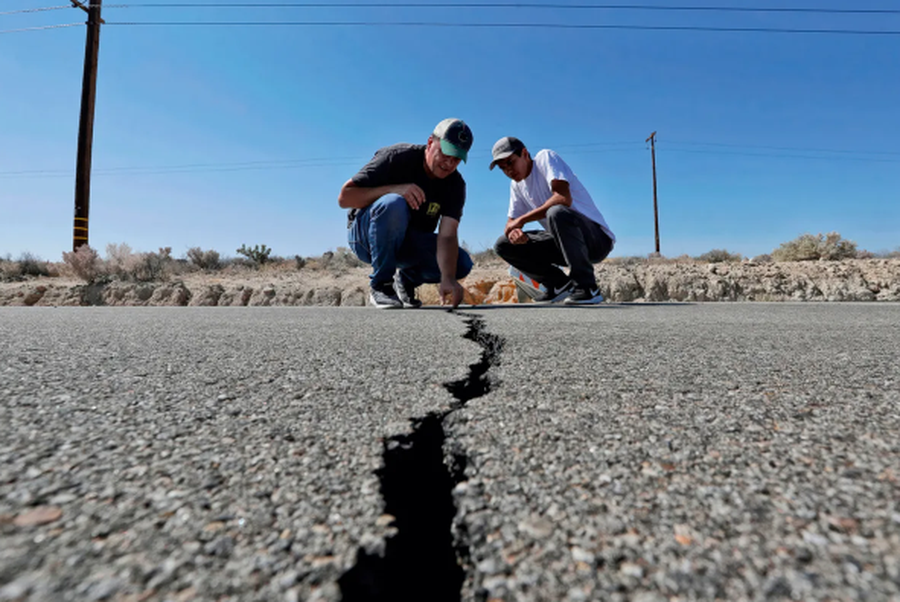
The state of California is shaken by earthquakes an average of about 10,000 times a year, or about once an hour. California's official nickname is the "Golden State," referring to the massive gold rush in the mid-19th century, when its population grew rapidly in just 4 years, from 14,000 to over 250,000.
But if you've ever been there, and felt the ground move beneath your feet, you'll probably agree that the more fitting nickname is "The Earthquake State." That's because it's home to the St. Andreas Fault, where two of the world's largest tectonic plates meet - the North American plate to the east, and the Pacific plate to the west.
California has captured the world's attention in recent years, not for its earthquakes, but more for its wildfires and massive flooding, all fueled by global warming and the disruption of our once-stable climate.
So the news that such extreme weather could also trigger earthquake activity is not at all welcome in one of the planet's major seismic hotspots. When we think about climate change, it usually has to do with how the atmosphere and oceans are warming.
The idea that they could even affect the ground beneath our feet seems almost ridiculous. Yet it is true. For decades, I have been researching how climate can trigger deadly geological phenomena, such as earthquakes, tsunamis, and volcanic eruptions, and the evidence is absolutely clear.
The latest study from the Swiss Seismological Service, published this summer, links a series of small tremors beneath the White Mountain in the European Alps to the rapid melting of ice and snow during a heat wave in 2015.
Pouring down, the additional water found its way into a large fissure zone that creates a 12km-long tunnel inside Europe's tallest mountain, lubricating it and forcing it to shift enough to cause low-level seismic activity.
The occurrence of mild to moderate tremors has continued since then, significantly increasing the risk of larger earthquakes in the future. As global warming continues to cause longer and more intense heat waves, meltwater caused by accelerated glacier melt and thawing permafrost could increase seismic activity across the world's high mountain ranges and in large areas of permafrost, such as in Canada and Siberia.
In addition to raising concerns for those in the region around the White Mountains, the study offers lessons for any city or town on the geological faults that have caused major earthquakes in the past. Think of Tokyo in Japan and San Francisco and Los Angeles in California.
Asnjëra prej këtyre nuk është rajon malor, ndaj shkrirja e akujve nuk përbën problem. Por ekzistojnë mënyra të tjera, se si një klimë në ndryshim mund të rrisë shkallën e infiltrimit të ujit në çarjet që kërcënojnë këto qytete.
Për shembull, Tokio është nën kërcënimin në rritje nga tajfunët që ndryshimet klimatike po i bëjnë më të ngadalta dhe më të lagështa. Për pasojë, tani stuhitë po sjellin më shumë reshje shiu, duke e rritur sasinë që depërton nën tokë në zonat aktive të çarjeve.
Mundësia që një tërmet i rëndë të godasë kryeqytetin japonez në 30 vitet e ardhshme mendohet të jetë deri në 70 për qind, kështu që çdo gjë që mund ta rrisë këtë probabilitet është një problem i madh.
Edhe Kalifornia është duke pritur gjithashtu tërmetin e madh të radhës - si në veri, në zonën e Gjirit të San Franciskos, ashtu edhe më në jug pranë Los Anxhelosit. Shërbimi Gjeologjik i SHBA-së vlerëson se ka më shumë se 70 për qind shanse që një tërmet me magnitudë 6.7 ose më i madh, i aftë të shkaktojë dëme të mëdha, të godasë Gjirin e Anglisë brenda 18 viteve të ardhshme.
Një përzierje stuhish me reshje të mëdha shiu dhe çarjesh aktive në prag të këputjes, nuk është doemos parathënie e katastrofës sizmike, por së bashku ato zotërojnë potencialin të shkaktojnë një tërmet të madh duke lubrifikuar çarjet.
Ashtu si Kalifornia, edhe Tajvani nuk është i panjohur me tërmetet. Tërmeti Chi-Chi me magnitudë 7.6 ballë që goditi pjesët qendrore të vendit në shtator 1999 nuk ishte aspak surprizë. Ai shkatërroi më shumë se 50.000 ndërtesa dhe vrau mbi 2.500 njerëz.
Ngjarja ndodhi vetëm 3 vjet pasi super-tajfuni “Herb”, hodhi disa metra shi në të gjithë rajonin. Dhe të paktën 4 tërmete të tjera të mëdha në Tajvan në 50 vitet e fundit, kanë ndodhur pas stuhive që sollën reshje ekstreme.
Për më tepër, duket se tërmetet me magnitudë 6 ose më të lartë që kanë prekur vendin, kanë 5 herë më shumë gjasa të ndodhin brenda 4 viteve nga një stuhi e madhe sesa e kundërta.
Për shkak të intervalit të madh kohor midis stuhive dhe tërmeteve, nuk ka gjasa që uji i shiut që depërton shpejt nëpër tokë dhe lubrifikon çarjet, të jetë shkaktari direkt. Në vend të kësaj, duhet të jetë diçka që vepron më ngadalë.
Një nga tezat është se shkaktimi i mijëra rrëshqitjeve të dheut nga reshjet e rrëmbyeshme të shiut dhe largimi i mbeturinave nga erozioni, e zvogëlon peshën që bie mbi çarjet, duke i lejuar ato të rrëshqasin më lehtë mbi njëra-tjetrën.
Një lidhje e ngjashme midis një tërmeti dhe stuhive të shiut, njihet në ishullin Karaib të Haitit, ku një tërmet shkatërrues në vitin 2010 , i cili i mori jetën të paktën 160.000 njerëzve, ndodhi pas 4 uraganëve me shumë reshje të ndodhur disa vjet më parë.
Por ka disa pjesë të botës, ku reagimi sizmik i tokës ndaj klimës që ndryshon me shpejtësi është i qartë dhe i pranishëm, si për shembull Alaska. Në shtetin më të madh të Amerikës nga sipërfaqja, një rritje e aktivitetit sizmik ka pasuar humbjen në disa vende të 1 km3 akulli në shekullin e fundit.
The removal of this great weight from the Earth's crust is allowing the cracks below to slide more easily. In perspective, Greenland is undoubtedly the biggest concern in this regard. Seismically, the planet's largest island is very quiet.
Not because there aren't any cracks there, but because the sheer weight of the ice above is preventing them from sliding. But that's unlikely to last much longer, as the 3km-thick Greenland Ice Sheet (GIS), which contains enough water to raise global sea levels by 7 metres, is melting at an ever-increasing rate.
A little less than 11,000 years ago, the loss of Greenland's ice sheet at the end of the last ice age triggered an 8.3 magnitude earthquake off the southern tip of the island. Simulations suggest it generated a massive tsunami that sent waves up to 7 meters high onto the coasts of Canada and the United Kingdom.
Something similar happened a little over 8,000 years ago, when a massive earthquake in Norway, caused by the melting of the Scandinavian ice sheet, triggered one of the world's largest landslides, which sent a huge tsunami into the North Atlantic, this time with waves over 20 meters high.
Atlantic tsunamis, on the scale of those we see today within the Pacific Ring of Fire, are a shocking and unforeseen consequence of global warming. But the reality is that the pervasive nature of the disruption of the climate system means that nothing is immune, and that includes the ground beneath our feet./ Pamphlet







Lini një Përgjigje