


 Shkruar nga Pamfleti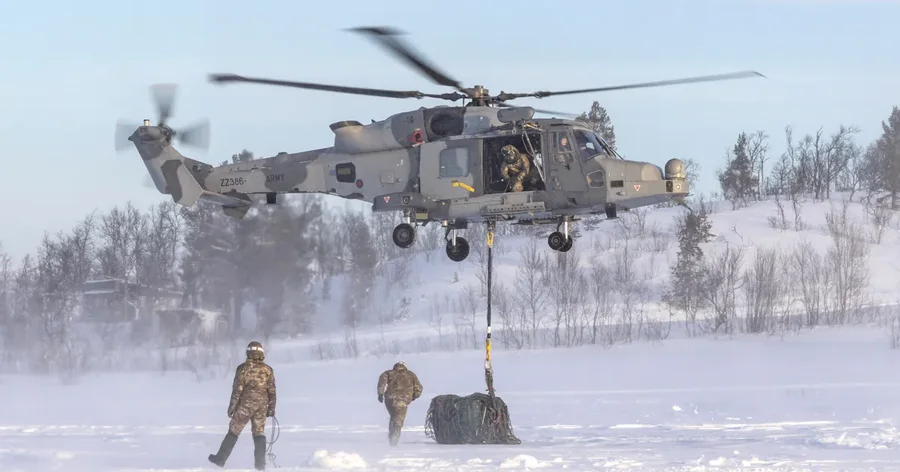
Military planners traveled to Bodo, nestled between the sea and the snow-capped peaks of the Arctic Circle, to design a war game to respond to Kremlin threats...
Half a mile inside a mountain in northern Norway, the United Kingdom is preparing for war.
The country's military planners have traveled to Bodo, nestled between the sea and the snow-capped peaks of the Arctic Circle, to test what it would look like if Russia decided to unleash hostile activity on its doorstep.
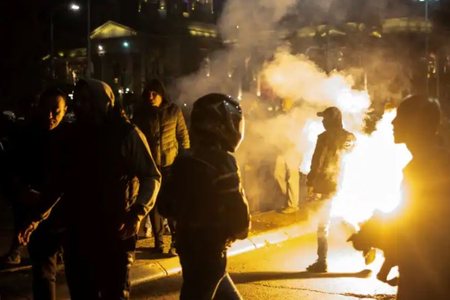
The exercise, which takes place a year after a supposed ceasefire in Ukraine, asks leaders of the Nordic and Baltic countries to consider what they would do as they begin to track pro-Russian civil unrest within a border country.
Defense ministers and generals in attendance are provided with newspaper reports about incidents, partial intelligence updates, and social media posts, and are asked to decide on the best course of action.
The task is not merely hypothetical. An unexplained attack on an undersea cable in the Baltic last year, Russian drones and planes violating NATO airspace, and a surge in Russian ships threatening British waters have drawn attention to the vulnerability of the so-called "high north."
Following Russia's annexation of Crimea in 2014, the UK stepped in to lead a group of like-minded European countries in preparing for threats to their northern flank, establishing the 10-nation Joint Expeditionary Force.
The question now is whether this alliance can fulfill its potential as the Russian threat morphs into something new and the US continues to withdraw from European security under Donald Trump.
A changing landscape
While the far north has long been an area of Russian strength, Moscow's methods are diversifying in a way that demands responses from its neighbors.
At the same time, melting Arctic ice is opening up previously impassable seas and triggering a new race for access and minerals in the region, attracting both China and the US.
British Defense Secretary John Healey, who took part in this week's military exercise, spoke to Politico while traveling from Norway to France, where he held talks with the French defense minister.
"These are the countries where Russian aggression is their daily experience. They live in close proximity to the Russian military presence," Healey said, adding, "we are the nations that can best assess the risks, best respond to the threats, and best engage NATO to take this more seriously."

Një pjesë e idesë që qëndron pas JEF-it është se ai mund të veprojë shpejt, ndërsa makineria e NATO-s, e cila kërkon pëlqimin e 32 shteteve anëtare për të vepruar, kërkon shumë më tepër kohë për t’u vënë në veprim.
Aleatët veriorë besojnë gjithashtu se është mjeti i duhur për t'u përshtatur me armatimet dhe taktikat shkatërruese që po zhvillohen me shpejtësi, të cilat nuk përmbushin pragun e luftës tradicionale, të njohura ndonjëherë si sulme të "zonës gri".
Duke folur nga ambienti komod i Hotelit Wood, i cili ndodhet në një rrugë dredha-dredha mbi Bodo, Gjeneral Major Gjert Lage Dyndal i ushtrisë norvegjeze ishte filozofik në lidhje me rrezikun për vendin e tij. Agresioni rus në Arktik nuk është asgjë e re, tha ai, dhe ka më shumë të bëjë me ngërçin e gjatë bërthamor midis SHBA-së dhe Rusisë sesa me vetë Norvegjinë.
Megjithatë, ai pranoi rëndësinë e një përgjigjeje të koordinuar, veçanërisht për t'u përballur me luftën hibride, "diçka që është zhvilluar në të gjithë Evropën gjatë dy viteve të fundit", ndërsa vuri në dukje sabotimin e vitit 2022 të tubacioneve të gazit natyror Nord Stream që lidhin Rusinë dhe Gjermaninë, aktivitetin e shtuar të dronëve dhe ndërprerjen e rrugëve të transportit detar.
Me pak fuqi?
Në teori, pra, Mbretëria e Bashkuar ka ndihmuar në krijimin e një aleance ideale për mbrojtjen e veriut të lartë, ndërsa kufijtë e saj po vihen në provë gjithnjë e më shumë.
Megjithatë, ekziston një dyshim midis disa vëzhguesve se nuk po vepron me fuqi të plotë pikërisht në kohën kur nevojitet më shumë.
E themeluar gjatë qeverisë së mëparshme konservatore, JEF ishte një burim krenarie e veçantë për ish-kryeministrin Rishi Sunak, i cili u përqendrua në takimet me udhëheqësit e saj në Letoni pas një mungese prej tetë vitesh dhe Sekretarin e atëhershëm të Mbrojtjes Ben Wallace.
Grant Shapps, një tjetër ish-sekretar i mbrojtjes nga radhët e Partisë Konservatore, është i prirur ta quajë JEF-in “Britania që udhëheq nga fronti, duke punuar me aleatët tanë më të ngushtë për ta bërë Evropën dhe Atlantikun e Veriut më të sigurt”, por ai theksoi: “nuk mund të përballojmë humbjen e vrullit.”
Qeveria aktuale laburiste i ka kushtuar vëmendje të madhe përmirësimit të rezultateve të saj në mbrojtje. Ajo është përqendruar në një masë të madhe në ofrimin e solidaritetit dhe burimeve për Ukrainën, përfshirë edhe përmes organizatës së re të udhëhequr nga Britania e Madhe dhe Franca, e quajtur "koalicioni i të vullnetshmëve".
Një deputet i Partisë Laburiste me përvojë në siguri, të cilit i është ofruar anonimiteti për të folur tha se një pikëpyetje kryesore mbetet mbi autoritetin e JEF-it për të vepruar. Ndërsa është “i aftë” të përdorë forcat e tij, “nuk mendoj se është i autorizuar ta bëjë këtë aktualisht, jo në mënyrë adekuate”, shtuan ata.
“Kjo është thelbësore sepse si COW [Koalicioni i të Gatshmëve] ashtu edhe JEF do të jenë në vijën e parë kundër Rusisë”, paralajmëruan ata.
Defense officials gathered in Bodø privately agreed that the group will only grow in importance as the US shifts its security priorities elsewhere, even if this is couched in the positive language of “raising the bar” for Europe.
One component of strengthening the Allied presence in the high north is investing in more icebreaking capabilities: specialized ships that can penetrate the polar sea.
Russia is estimated to have 50 icebreakers, at least 13 of which can operate in the Arctic and seven of which are nuclear-powered, while China has five that are suitable for the Arctic.
NATO members Sweden and Finland have their own versions of these ships, as do the US and Canada, but Norway's Dyndal said more are needed.
“Russia lives in the Arctic,” he warned, adding, “we see China trying and learning through more research and activities in the Arctic than we do. We need to take a step forward on the European side, on the American side, to really learn to live in the ice-covered polar sea.”
The United Kingdom has no immediate plans to purchase an icebreaker, but British officials emphasize that the country brings its naval and aviation expertise to the table.
A senior military figure said there was a risk that Britain would miss out on an opportunity if it did not persuade allies to buy more UK-made cold-weather equipment as defence budgets rise sharply.
Turning to Britain's wider engagement in the region, Healey was defiant. "The level of recognition and willingness to follow the UK from defence ministers was really strong."
"You can judge us by the response to Russian threats," he said, before noting that plans for further military exercises are underway.
Europe is trying to take its security seriously, but it is still a long way from figuring out how to win the game. /Adapted from Politico/



Rrafje uji ne hava !