


 Shkruar nga Tom Nichols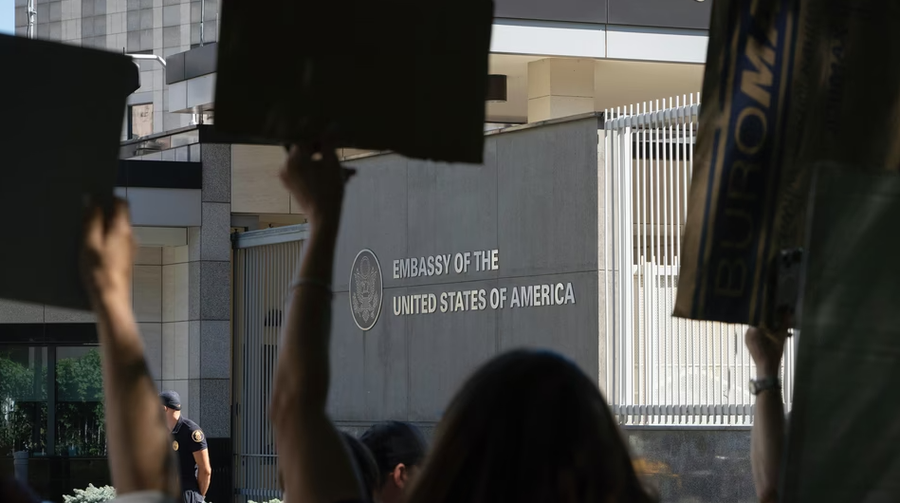
Donald Trump's administration has left more than 100 ambassadorial positions vacant around the world, including in strategically important U.S. allies. Instead of traditional diplomacy, the president is increasingly relying on political cronies and personal emissaries. This approach is raising serious concerns about America's ability to manage international relations and maintain its role as a global superpower.
The United States is today, in one form or another, at odds with almost everyone. America is engaged in a hot war with Iran and a cold war with China and Russia, although President Donald Trump seems not to have fully grasped this reality yet.
He has started a series of trade wars and continues to talk about a possible conflict.
with Cuba. As if that weren't enough, he remains obsessed with the idea of annexing Greenland, an action that would provoke a clash with NATO, the most powerful and successful alliance in history, which is theoretically led by Washington itself.
In such circumstances, it would be natural to expect a return to traditional diplomacy: sending ambassadors to reassure allies, reassure friends, warn adversaries of American resolve, or even to negotiate trade and strategic issues that require diplomatic professionalism.
The problem is that these ambassadors are almost nonexistent. As The Wall Street Journal recently reported, the Trump administration has left more than 100 ambassadorial positions vacant, including in key U.S. allies.
That's an unprecedented number of diplomatic vacancies, even for a White House that has shown little interest in traditional diplomacy. During the same period of Trump's first term, only 45 positions remained unfilled - a slower pace than his predecessors.
The American Foreign Service Association, the union representing American diplomats, told the newspaper that Trump "has been slow to appoint ambassadors and that his nominees are often stuck in an increasingly slow and congested Senate confirmation process."
But this is just a diplomatic way of saying that Trump does not understand the importance of ambassadors and that he prefers to distribute these positions to his friends, loyalists, and individual political clientele who then face tough confirmation battles in the Senate.
In his usual personal and chaotic way, Trump seems to use these appointments not to advance US diplomatic interests but to reward loyalty and, perhaps, provoke American public opinion and the international community.
Për hir të së vërtetës, çdo president amerikan rezervon disa poste ambasadorësh për donatorë apo miq politikë. Disa prej tyre rezultojnë diplomatë të mirë; të tjerë nuk do të duhej kurrë të përfaqësonin Shtetet e Bashkuara jashtë vendit.
Zakonisht, megjithatë, këta ambasadorë politikë dërgohen në vende më të vogla ose me rëndësi më të kufizuar strategjike. Për shembull, Kari Lake një besnike ekstreme e lëvizjes MAGA dhe një kandidate politike e dështuar është emëruar ambasadore në Xhamajkë, një akt që mund të interpretohet si një fyerje ndaj një aleati amerikan.
Problemi bëhet edhe më serioz kur individë të papërshtatshëm dhe pa kompetencë vendosen në ambasada të rëndësishme, si ato në Jerusalem apo Paris. Këto emërime nuk shprehin vetëm përçmimin e Trump-it ndaj diplomacisë, por edhe mosbesimin e tij të kahershëm ndaj ekspertëve në përgjithësi dhe diplomatëve profesionistë në veçanti.
Sipas zyrtarëve të administratës, Trump mbështetet tek “të dërguar të besuar” për të menaxhuar marrëdhëniet me disa vende njëkohësisht, duke pretenduar se kjo përbën një model më efikas të diplomacisë rajonale.
Për shembull, ambasadori amerikan në Turqi, Tom Barrack, shërben njëkohësisht si i dërguar për Sirinë, ndërsa figura si Steve Witkoff apo Jared Kushner përdoren si emisarë personalë. Pretendimi se ky është një “model më efikas” tingëllon absurd.
Të përpiqesh të ndërmjetësosh një luftë mes Rusisë dhe Ukrainës pa ambasadorë të konfirmuar as në Moskë dhe as në Kiev nuk është efikasitet, por papërgjegjshmëri.
Po ashtu, ngarkimi i një ambasadori me disa vende njëherësh nuk sjell koherencë rajonale. Përkundrazi, i mbingarkon kapacitetet e tij, krijon konfuzion administrativ dhe dëmton komunikimin diplomatik.
Administrata Trump nuk ka treguar ndonjëherë interes real për efikasitetin institucional. Atëherë, çfarë fshihet pas gjithë këtyre vakancave? Me shumë gjasa, Trump nuk e kupton realisht rolin e ambasadorëve dhe as nuk shqetësohet ta kuptojë.
Megjithatë, Sekretari i Shtetit, Marco Rubio, nuk është një rishtar politik dhe e di mirë rëndësinë e diplomatëve, sidomos në kohë krizash, kur qeveritë e huaja kërkojnë siguri se po komunikojnë me dikë që flet me autoritetin e plotë të presidentit të SHBA-së.
Megjithatë, një nga veprimet e para të Rubio-s ishte të tërhiqte 30 ambasadorë nga postet e tyre. Departamenti i Shtetit e paraqiti këtë si një procedurë rutinë, por kjo është disi mashtruese.
Normalisht, ambasadorët paraqesin dorëheqjen në fillim të një administrate të re, por zakonisht qëndrojnë në detyrë derisa të emërohet zëvendësuesi i tyre. Tërheqja e menjëhershme e tyre, duke lënë poste bosh, sugjeron se diplomatët e karrierës po i nënshtrohen filtrave politike.
Trump duket se e sheh administratën shtetërore jo si një aparat institucional në shërbim të vendit, por si një kompani private ku të gjithë duhet t’i shërbejnë atij personalisht. Në këtë logjikë, kush nuk është mbështetës i tij konsiderohet kundërshtar.
So Trump doesn't want anyone to represent him without being completely convinced that that person will keep secrets and carry out his orders without objection, even when they may be ethically questionable or potentially illegal.
According to this approach, diplomacy is no longer conducted through institutions and professionals, but through a narrow circle of people loyal to the "boss."
As Reuters recently reported, foreign governments are bypassing US embassies and "reprogramming" their diplomacy around a small group of people who have direct access to the president.
If you're a country like Greece and you're dealing with an ambassador like Kimberly Guilfoyle - Donald Trump Jr.'s ex-partner - you might not expect much serious communication with Washington. But if you're important enough to get a visit from the president's son-in-law, then you know you're really talking to the center of American power.
The world will not stop functioning if the United States does not have an ambassador in every capital. Temporary vacancies are normal, and the influence of ambassadors varies according to each president's priorities.
However, Trump's diplomatic failures, including successive humiliations in the face of the leaders of China and Russia, retreats in trade wars, and the inability to secure allied support in the Middle East, clearly suggest that this is not how superpower diplomacy is managed. / Translated "Pamphlet", from "The Atlantic"





Lini një Përgjigje