


 Shkruar nga Pamfleti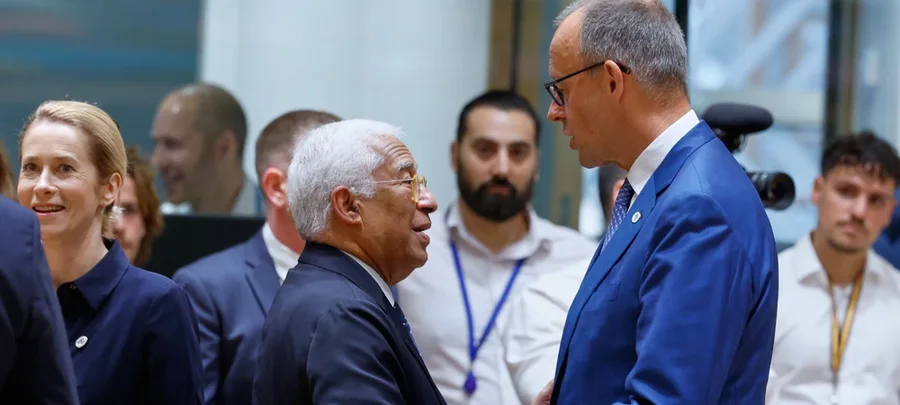
Merz, Macron and Starmer against Costa in an unprecedented diplomatic conflict...
A bitter conflict has erupted in the European Council. At the center of the debate is the question of who should lead the diplomatic efforts against Russia. Antonio Costa wants to take on this role. But Friedrich Merz, Emmanuel Macron and Keir Starmer also claim to have the main say.
In fact, Ukraine was supposed to be a secondary topic at the European Council summit this time. However, the discussion between heads of state and government on the issue lasted almost three hours and a heated debate broke out behind closed doors. At the center of it was the President of the European Council, Antonio Costa.
On Wednesday, it was reported that his chief of staff, Pedro Lourtie, had contacted the Kremlin to prepare for possible negotiations. This prompted a strong reaction from German Chancellor Friedrich Merz and French President Emmanuel Macron. According to several diplomats, who confirmed this on Friday, they made it clear to Costa that such a move was unacceptable. German government sources described it as an "insult" and an "unprofessional act" carried out without prior coordination. In the world of diplomacy, this is practically a frontal attack.
But Costa's team defended itself. An EU official said the talks were "brief contacts, without discussions on concrete issues and without negotiations" , describing them as "diplomatic work" . The aim, she said, was for the EU to be prepared "when the time comes to defend its interests".
At the EU Committee of Ambassadors, Lourtie revealed on Wednesday that he had held two telephone conversations with Vladimir Putin's security adviser. However, it was not clarified which person he was referring to, as Putin does not have a single security adviser, but three close associates who deal with this area.
What does Zelensky want?
This clash is not about a small issue, but about a fundamental problem: who will represent the European Union if negotiations with Russia begin?
EU foreign ministers had been debating the issue since May, but without reaching a conclusion. The High Representative for Foreign Affairs, Kaja Kallas, had proposed herself for the role, but failed to secure support, due to a lack of diplomatic skills, according to some estimates.
After Thursday night's debate, it became clear where the main dividing line lies. On one side stand the three main European states: Germany, France and the United Kingdom (E3). On the other side is the president of the European Council.
Costa e justifikoi iniciativën e tij duke argumentuar se presidenti ukrainas Volodymyr Zelensky u kishte kërkuar evropianëve të merrnin një "rol më aktiv në përpjekjet diplomatike". Sipas ekipit të tij, veprimet e Costës synojnë ruajtjen e unitetit të BE-së.
Një numër liderësh evropianë kanë theksuar gjithashtu se, sipas traktateve të BE-së, presidenti i Këshillit Evropian është "përfaqësuesi natyror i interesave të Bashkimit Evropian". Costa nuk është i izoluar në këtë qëndrim. Veçanërisht shtetet më të vogla, si Austria, e mbështesin atë. Megjithatë, nuk ka qartësi se sa i madh është ky grup mbështetës.
Nga ana tjetër, Merz dhe Macron kujtuan gjatë samitit takimin në Londër me Zelenskyn, të organizuar nga Keir Starmer në fillim të muajit. Sipas tyre, ai takim kishte për qëllim avancimin e përpjekjeve për negociata, me kërkesë të vetë presidentit ukrainas.
Në Londër u dakorduan 5 parime bazë për bisedimet me Putinin. Njëri prej tyre parashikon që negociatat të zhvillohen vetëm në një format katërpalësh: Rusia, Ukraina, Shtetet e Bashkuara dhe Evropa.
Merz dëshiron të përfshijë edhe Poloninë dhe Italinë
Nga kjo marrëveshje, Parisi, Berlini dhe Londra nxjerrin përfundimin se janë ata që flasin në emër të Evropës.
Kjo qasje mori mbështetje edhe nga kryeministrja daneze Mette Frederiksen dhe nga politikani holandez Rob Jetten. Të gjitha këto vende janë ndër partnerët më të afërt të Kievit dhe kontribuojnë me miliarda euro në armë dhe ndihmë dypalëshe.
Sipas Berlinit, përfshirja e Londrës është e domosdoshme, gjë që Costa nuk mund ta sigurojë. Për më tepër, Gjermania argumenton se duhet të merret parasysh edhe niveli i angazhimit konkret për Ukrainën.
Megjithatë, Merz po përpiqet më shumë se Parisi dhe Londra të përfshijë edhe Poloninë dhe Italinë, si shtetet e tjera më të mëdha të BE-së, duke promovuar formatin E5.
Të mërkurën e ardhshme, kryeministri polak Donald Tusk do të vizitojë Berlinin. Të enjten, Merz do të udhëtojë në Gdansk për një takim të vendeve E5, ku do të marrë pjesë edhe kryeministrja italiane Giorgia Meloni.
Zyrtarisht, takimi do t'i kushtohet përgatitjeve për samitin e NATO-s në Ankara, por në të do të diskutohet edhe diplomacia ndaj Rusisë. Pas takimit të Londrës, Meloni kishte kundërshtuar pretendimin e E3 se kishte legjitimitetin për të folur në emër të të gjithë Evropës.
Sipas raportimeve të F.A.Z., shefi i kabinetit të Costës kishte testuar paraprakisht në Berlin dhe Paris qëndrimin e tyre ndaj hapjes së një kanali komunikimi me Kremlinin. Në të dy rastet ai kishte marrë një refuzim të qartë, gjë që shpjegon edhe ashpërsinë e debatit të së enjtes.
Argumenti kryesor i Berlinit dhe Parisit ishte se fillimisht duhet të ketë koordinim brenda Evropës, përpara se të zhvillohen kontakte me Kremlinin.
Edhe Trump dëshiron të rrisë sërish presionin ndaj Moskës
After the G7 meeting in Evian, the situation has become even more complicated. US President Donald Trump has once again shown himself ready to increase pressure on Vladimir Putin.
The United States plans to withdraw some sanctions relief it granted Russia because of high oil prices. According to diplomatic sources, Trump is convinced that Ukraine is in a favorable position on the battlefield and that this moment should be exploited.
European leaders contributed to this by launching procedures on Thursday to extend economic sanctions against Russia. For the first time, they will last a full year, not just six months.
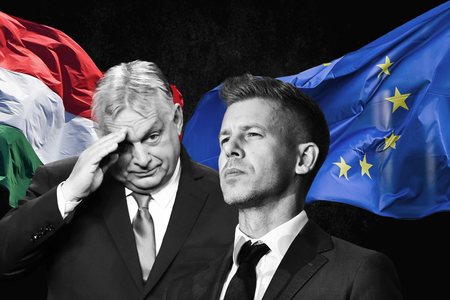
Until now, Hungary had repeatedly blocked this process, creating tension whenever the sanctions were to be renewed. With the new Prime Minister Péter Magyar, for the first time since March 2025, it was possible to adopt conclusions on Ukraine with the support of all 27 member states. However, one obstacle remained: Bulgaria vetoed the next package of sanctions against Russia, which is still under negotiation, for fear that the operation of its Burgas refinery might be affected.
What is the outcome of the conflict?
According to current developments, the E3 countries intend to continue their diplomatic efforts without the involvement of António Costa. Whether Costa will still be able to play a central role will depend largely on the positioning of Giorgia Meloni.
However, it is clear that Berlin and Paris would be weaker in any negotiations with Russia if they could not claim to speak on behalf of the entire European Union. /Adapted from Pamphlet /


Lini një Përgjigje