


 Shkruar nga Pamfleti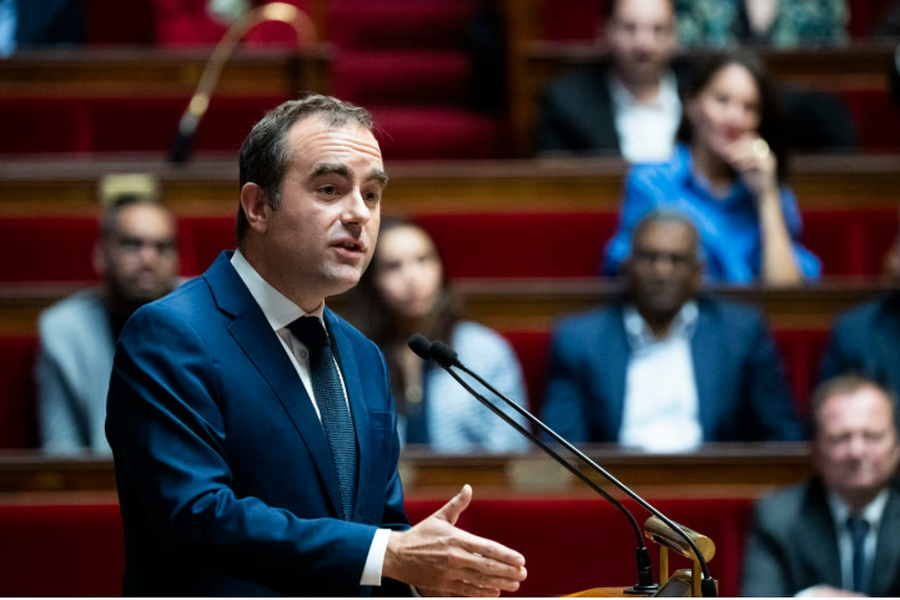
French Prime Minister Sébastien Lecornu can breathe a sigh of relief for now, after two no-confidence motions against his government failed to pass on Thursday.
A total of 271 lawmakers voted in favor of the first measure proposed by the far left, falling short of the 289-vote threshold that would have brought down the government. MPs then voted against a second no-confidence motion presented by the far right.
Lecornu was expected to survive after pledging to suspend an unpopular law raising the retirement age, but the outcome was not certain given the risk of lawmakers breaking away from their party leaders.
Freezing the law until the next presidential election in 2027 was a significant concession for the Socialist Party, which has been thrust into a crucial role.
The retirement reform was considered a major achievement for French President Emmanuel Macron.
Had he lost the vote, Lecornu would have won the prize for leading two historically short governments. The 39-year-old and his first team resigned last week just 14 hours after the top ministers were appointed to their posts. Macron reappointed Lecornu to the post on Friday and Lecornu named a new government on Sunday.
French lawmakers will begin legislative work on the budget on Monday, when it goes to the National Assembly's Finance Committee.
The prime minister has pledged to allow parliament to discuss and vote on the budget without using a constitutional backdoor that would allow him to bypass a parliamentary vote and disregard most amendments, but would also allow lawmakers to file no-confidence motions.








Lini një Përgjigje