


 Shkruar nga Pamfleti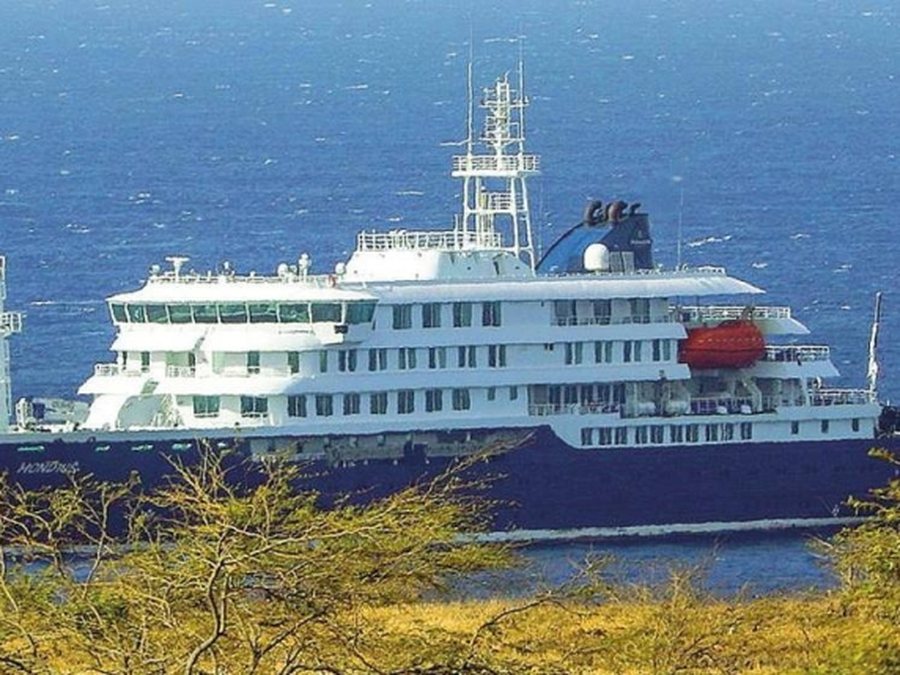
The Hantavirus outbreak on the cruise ship MV Hondius has reignited global concerns about zoonotic diseases and the risk of their international spread.
However, experts emphasize that the situation should not be compared to the Covid-19 pandemic, even though it is a virus with a much higher mortality rate.
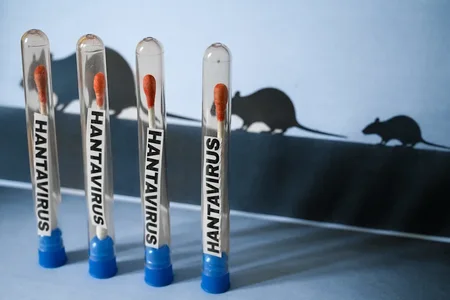
Italian virologist Fabrizio Pregliasco, director of the School of Specialization in Hygiene and Preventive Medicine at the State University of Milan, explains that Hantaviruses are zoonotic viruses, transmitted from animals to humans, mainly through rodents.
" Hantaviruses naturally infect rodents and are only occasionally transmitted to humans. To date, human-to-human transmission has only been documented for the Andes virus, mainly spread in Argentina and Chile ," he explains, reports "Corriere della Sera".
According to the expert, the fact that the outbreak occurred on a cruise ship has both advantages and risks. On the one hand, the isolation of passengers makes it easier to control the situation. On the other hand, the ship had passengers from 23 different countries and some people had disembarked before the true nature of the virus was understood.

Italian health authorities have activated monitoring and contact tracing procedures to identify people who may have been exposed to the virus. The investigation also includes indirect contacts, such as tourists who traveled on the same plane as the Dutch woman who died from the infection.
"It is essential that the situation is controlled in time. As with fires, the sooner you intervene, the greater the chance of stopping the spread," says Pregliasco.
The expert warns that the incubation period for the Andes virus can last from six to eight weeks. This means that some passengers may develop symptoms long after the initial exposure.
However, he underlines that the risk of a global pandemic remains low.
" We are not facing another Covid-19. Hantavirus has a much more limited transmission capacity. Infection occurs mainly through close and prolonged contact or by inhaling particles contaminated with urine, feces or saliva of infected rodents ," explains the virologist.
Unlike Covid-19, which was easily transmitted through the air and respiratory droplets, Hantavirus requires more direct exposure. However, the main concern is related to the high mortality rate.
According to studies, some forms of Hantavirus have mortality rates of 1 to 15 percent, while the Andes variant can reach up to 50 percent in the most severe cases.
Paradoxically, severe symptoms help identify and isolate patients more quickly. The disease can range from asymptomatic forms to severe respiratory, cardiac, and renal complications. Initial symptoms include fever, dizziness, chills, muscle aches, nausea, vomiting, diarrhea, and abdominal pain.
The most serious forms of infection are Hantavirus pulmonary syndrome, most prevalent in the Americas, and hemorrhagic fever with renal syndrome, found mainly in Europe and Asia.
There is currently no vaccine or specific antiviral treatment for Hantavirus. Therapy is based on intensive monitoring and management of complications.
However, Pregliasco says that the experience gained during the Covid-19 pandemic has significantly changed the global response capacity.
" If we had a pandemic emergency, today it would be possible to develop a vaccine with mRNA technology within 10 to 12 months ," he emphasizes.
Experts recommend simple preventive measures, especially avoiding contact with rodents and environments contaminated by them. It is advisable to maintain hygiene, close off spaces where rodents can enter, and avoid dry cleaning of rodent urine or feces, as this can spread viral particles into the air.
As for masks, Pregliasco does not consider their use necessary in everyday life, except when someone enters environments where there may be the presence of rodents.
For those planning trips to Argentina or other South American countries, the expert sees no reason for alarm. He only suggests following official announcements and avoiding areas with high hygiene and sanitation risks, such as landfills or isolated spaces where there may be a large presence of rodents.
Even travel by plane, ferry or cruise is currently considered safe, although after the case on the "MV Hondius", tourism companies are expected to further strengthen sanitary measures and epidemiological control.






Lini një Përgjigje