


 Shkruar nga Pamfleti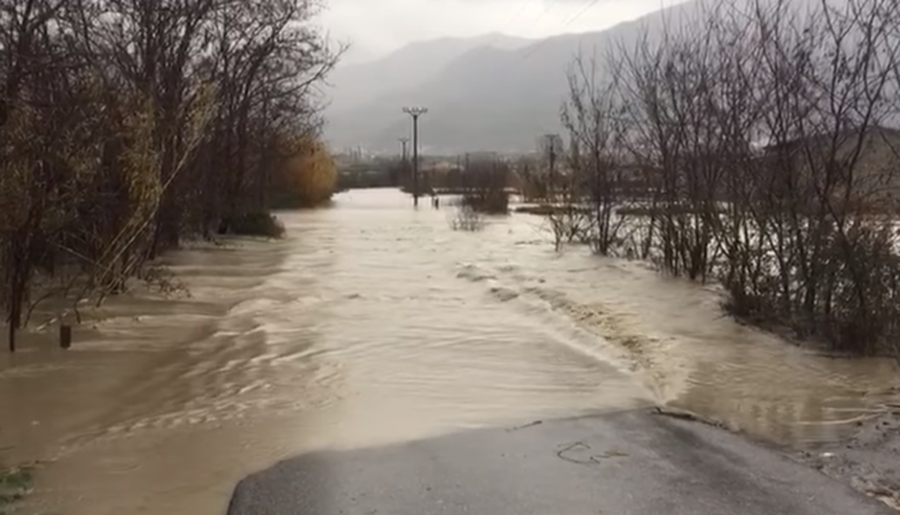
So in other words, the more asphalt and concrete they have, the more they will contribute to the flooding problem...
The city of Seattle, in the heart of Washington state (in the northwest of the US, not to be confused with the capital Washington, which is located in the northeast), is famous for its gray skies and almost constant rain.
And for this very reason, in 2010 the local government introduced a tax that caused quite a bit of controversy across America: the “Rainwater Tariff,” informally known as the “rain tax.” But what is it? And why were thousands of citizens forced to pay for something they had no control over?
The idea behind the tax: a (more or less) environmentalist logic
Technically, it wasn't a rain tax per se. Seattle, like many other American cities, had a serious problem: whenever it rained heavily, water ran off roofs, parking lots, and paved roads, ending up in storm drains and overloading the sewer system.
This phenomenon, known as “stormwater runoff,” pollutes rivers and can cause flash flooding. The solution? Imposing a fee on property owners, proportional to the impervious surface area of their property.
So in other words, the more asphalt and concrete they have, the more they will contribute to the flooding problem. So... the more they will pay. In theory it's a purely ecological measure. But in practice, it's a bureaucratic nightmare.
When absurdity surpasses logic
Once in effect, the “rain tax” affected homes, businesses, churches, schools, and even empty parking lots. It didn’t matter whether the property was in use or abandoned: if rain fell on it and didn’t seep into the ground, it had to be paid.
The most absurd case? A parish received a retroactive fine of thousands of dollars because its old brick building had a large roof and a paved patio. The same thing happened to a small child care center, which was forced to remove part of its patio to avoid the fine.
Citizens rebelled, many of them appealing the fine, while others began dismantling parking spaces and installing so-called "rain gardens" (small green areas, capable of absorbing rainwater), just to reduce the amount of money they owed to local authorities.
A phenomenon that has also affected other cities
But Seattle is not alone. Portland, Philadelphia, the capital Washington, D.C., and parts of New York City have also adopted similar measures. Some cities have even created online "rain tax calculators" where residents can enter the area of their roof to find out how much they will have to pay.
In Germany, a similar law - the "Niederschlagswassergebühr" - has been in force for years. In England, too, some counties have begun to impose charges on buildings with excessively large industrial roofs.
But is it really such a crazy law?
From an environmental perspective, the logic is clear: those who contribute more to stormwater runoff pollute more. And those who pollute should pay. But often the practical implementation of this law has exceeded common sense, ultimately affecting small businesses and creating grotesque situations./ Adapted from "Pamphlet" by "Nellanotizia"




Lini një Përgjigje