


 Shkruar nga Pamfleti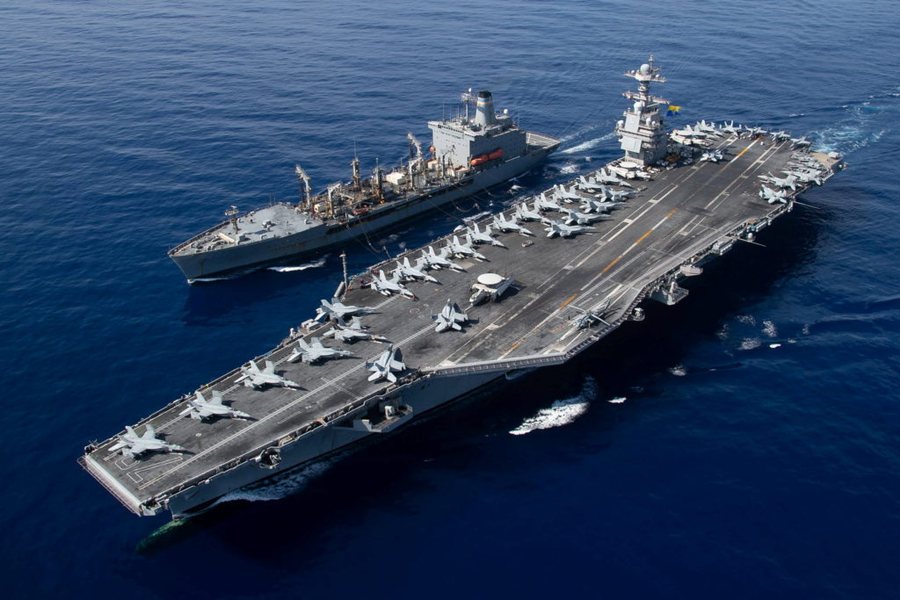
Venezuelan President Nicolás Maduro has accused the US of "manufacturing a war" after sending the world's largest warship to the Caribbean in a major escalation of its military buildup in the region.
Defense Secretary Pete Hegseth ordered the aircraft carrier USS Gerald R Ford, which can carry up to 90 aircraft, to leave the Mediterranean on Friday.
"They are fabricating a new war," Maduro told state media, adding "they promised they would never get involved in a war again, and they are fabricating a war."
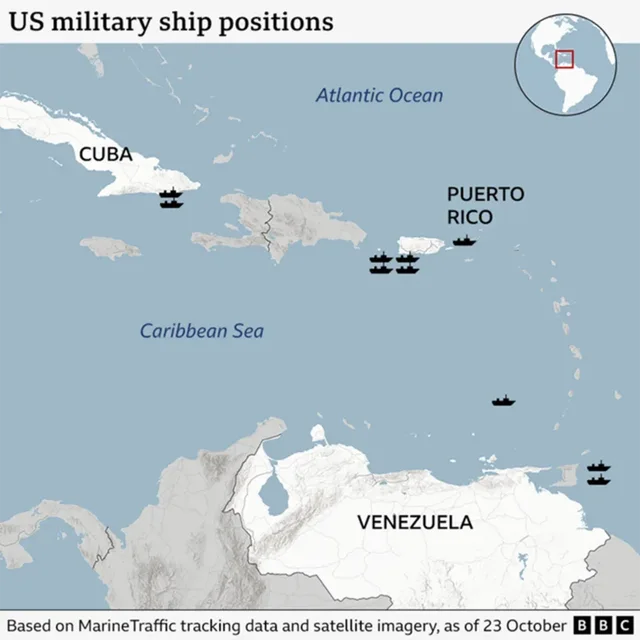
The US has increased its military presence in the Caribbean, sending warships, a nuclear submarine and F-35 jets in what it calls a campaign to target drug traffickers.
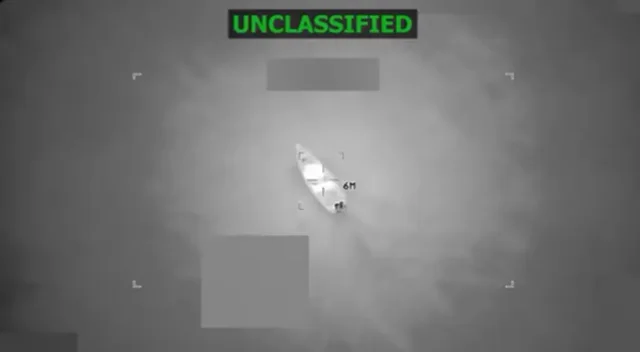
There have also been ten airstrikes on ships suspected of belonging to traffickers, including one on Friday when Hegseth said "six narco-terrorists" were killed.
This operation took place in the Caribbean Sea, against a ship that Hegseth said belonged to the criminal organization Tren de Aragua.
The attacks have been condemned in the region and experts have questioned their legality.

The Trump administration says it is waging a war on drug trafficking, but it has also been accused by experts and members of Congress of launching a campaign of intimidation in an attempt to destabilize Maduro's government.
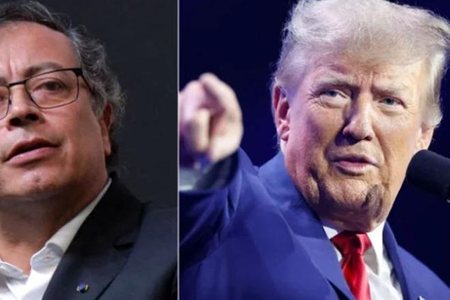
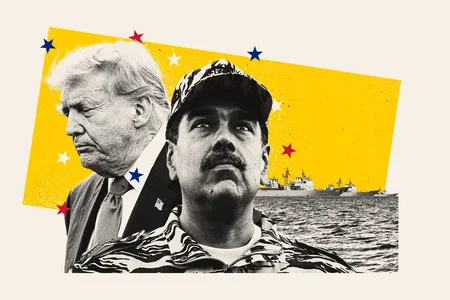
Maduro is an early enemy of Trump and the US president has accused him of being the leader of a drug trafficking organization, which he denies.
Dr. Christopher Sabatini, a senior fellow for Latin America at think tank Chatham House, tells the BBC that the military buildup is intended to "stir fear" into the hearts of the Venezuelan military and Maduro's inner circle so that they will act against him.
In Friday's announcement, the Pentagon said the USS Gerald R Ford aircraft carrier will be deployed to the US Southern Command area of responsibility, which includes Central and South America, as well as the Caribbean.
The additional forces "will augment and augment existing capabilities to disrupt narcotics trafficking and degrade and dismantle TCOs," or transnational criminal organizations, spokesman Sean Parnell said.
The carrier deployment would provide the resources to begin carrying out strikes against targets on the ground. Trump has repeatedly raised the possibility of what he called a "ground operation" in Venezuela.
"Of course we are considering land now, because we have the sea very well under control," he said earlier this week.

The aircraft carrier last publicly broadcast its location three days ago off the coast of Croatia, in the Adriatic Sea.
Its deployment marks a significant escalation in the build-up of the US military presence in the region. It is also likely to increase tensions with Venezuela, whose government Washington has long accused of harboring drug traffickers.
The carrier's large aircraft loadout could include jets and transport and reconnaissance aircraft. Its first long-term deployment was in 2023.
It is not clear which ships will accompany it when it moves to the region, but it could operate as part of a strike group that includes destroyers carrying missiles and other equipment.
The US has carried out a series of attacks on ships in recent weeks, in what President Donald Trump has described as an effort to curb drug trafficking.



Lini një Përgjigje