


 Shkruar nga Pamfleti
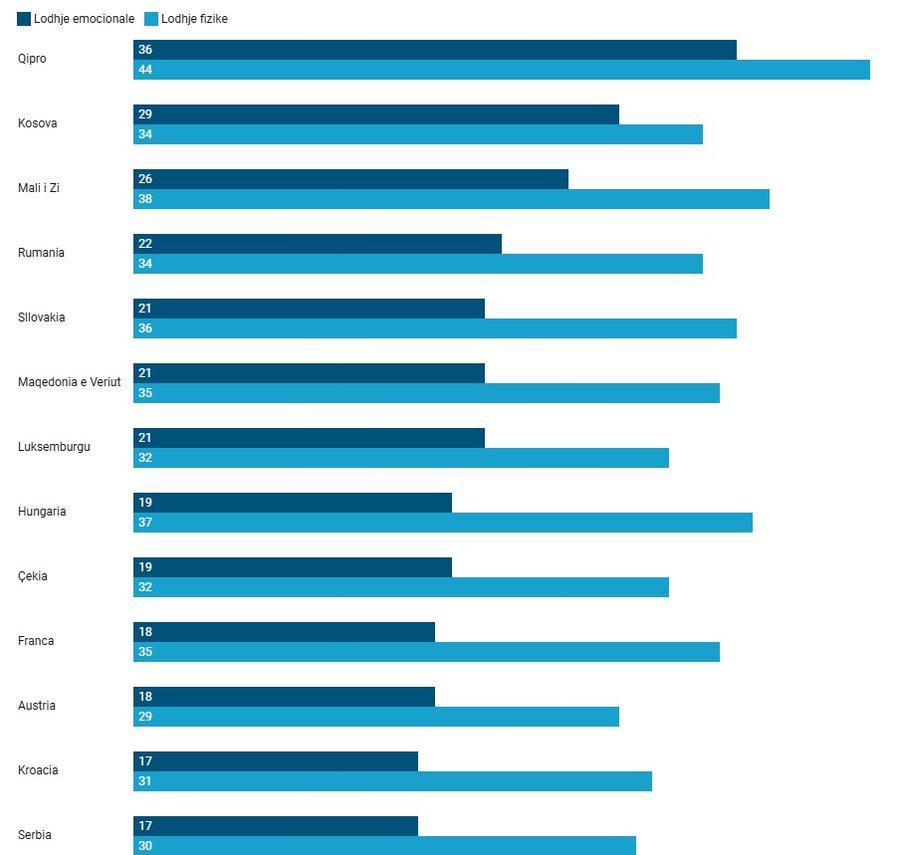
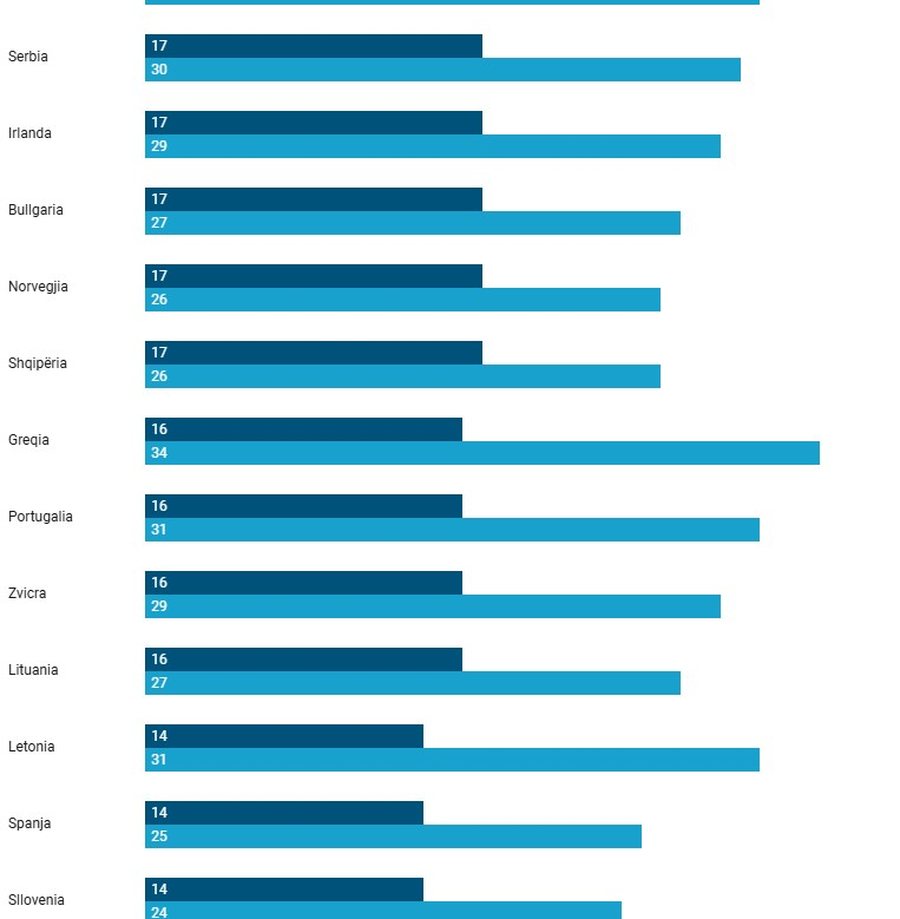
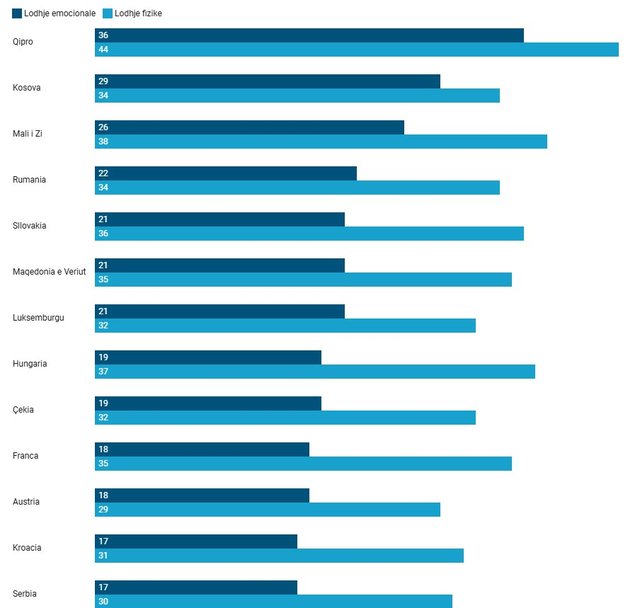
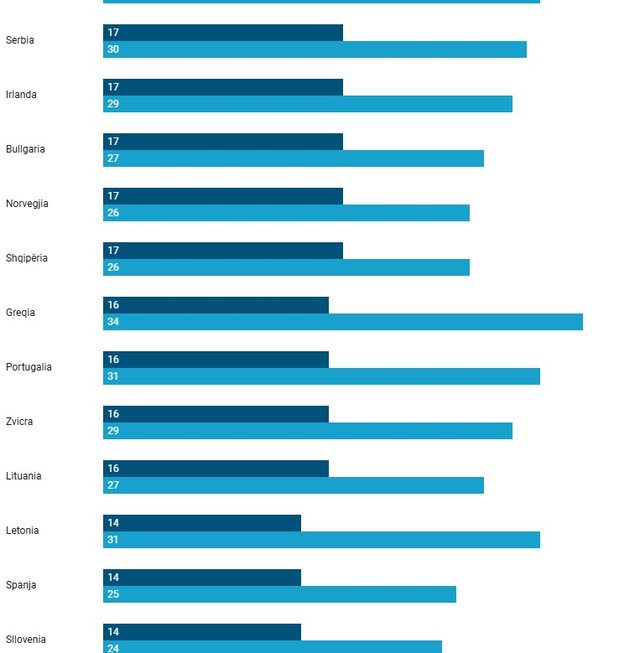
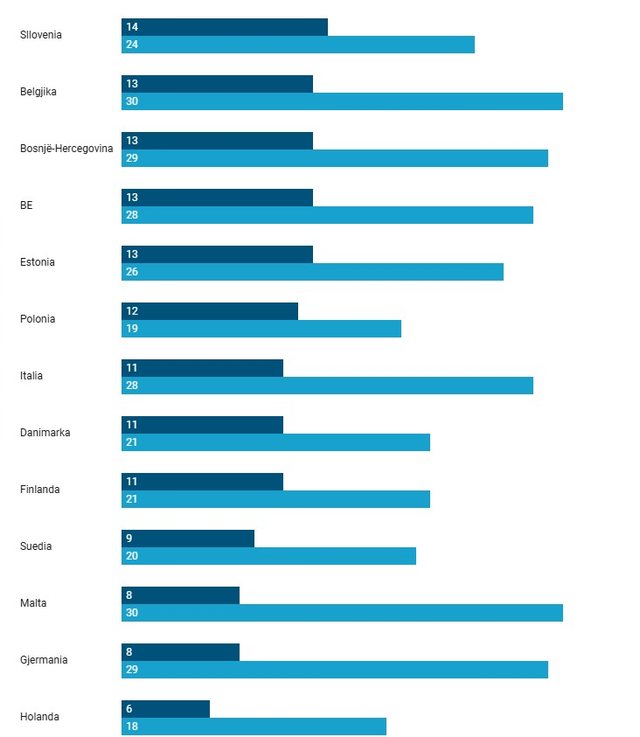
17% of Albanian employees have stated that they feel "always" or "most of the time" emotionally exhausted from their work.
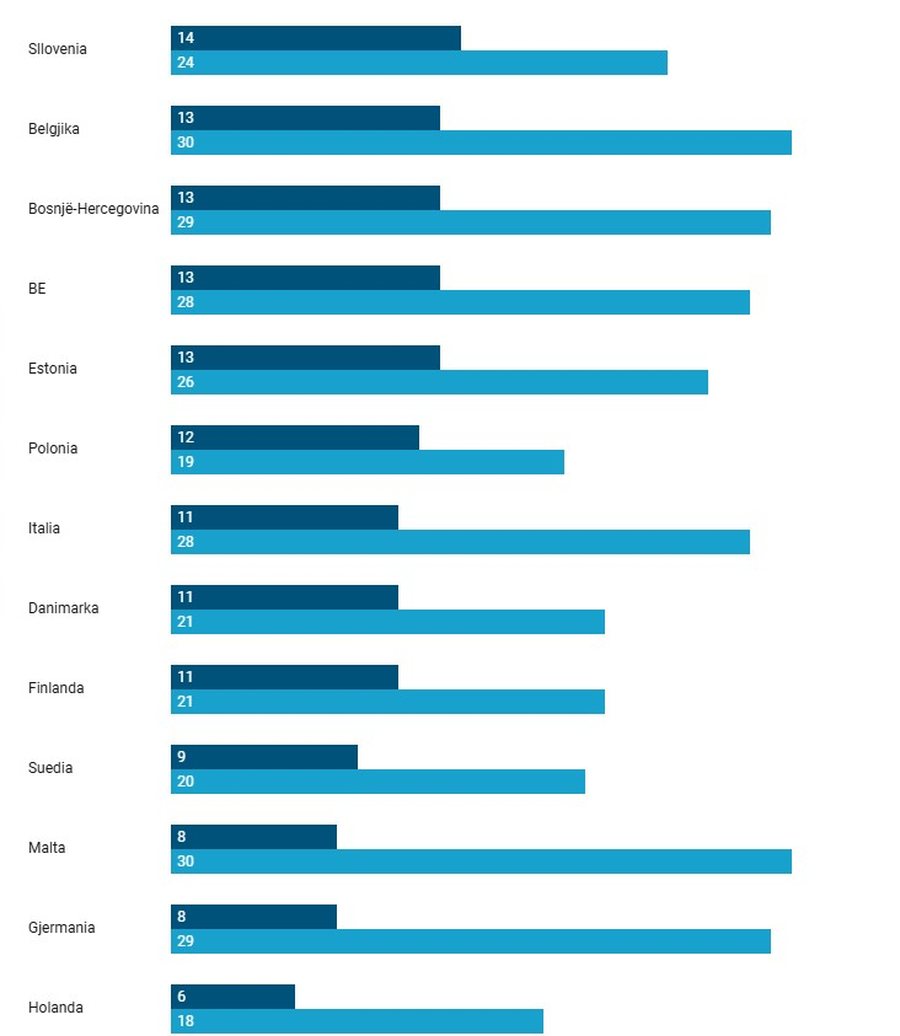
This percentage is among the ten highest in Europe and above the European Union average of 13%.
However, in the region, Kosovo holds the record, with 29% who are emotionally exhausted always or most of the time, the second highest in Europe, after Cyprus, Montenegro (26%), North Macedonia (21%). Serbia is at the same levels as Albania, while the lowest level of emotional exhaustion at work is in Bosnia and Herzegovina (13%).
The data was published in the European Commission's latest report on the survey on working conditions and stable work, which is carried out once every 5 years and was published in April.
The survey also measures physical fatigue, where Albanian employees seem to complain less, compared to other European countries, with 26% being always or constantly physically tired.
At this level, Albania is among the bottom 10 in Europe, lower than the EU average of 28%, and far below the levels of Montenegro (38%), North Macedonia (35%), Kosovo (34%), Serbia (30%), and Bosnia (29%).
Survey
The survey asked respondents in Europe whether they felt physically exhausted at the end of the workday and whether work left them emotionally drained. These are considered some of the symptoms of “burnout” (physical and emotional exhaustion from work, which occurs after a long period of stress and high workload).
Regarding emotional exhaustion, 3% of employees in the EU report that they always feel emotionally exhausted from work, 10% most of the time, 28% sometimes, 30% rarely and 29% never.
Even in this case, women are more likely than men to experience this always or most of the time, 15% versus 12%, respectively.
Ongoing emotional exhaustion is most prevalent among technicians and plant and machinery operators, at 15%. By sector, education at 18% and healthcare at 17% have the highest percentages of affected employees.
Employed workers report emotional exhaustion more often than the self-employed, 14% versus 11%.
In the comparison between countries, the highest percentage of employees who always or most of the time feel emotionally exhausted is recorded in Cyprus, at 36%, while the lowest is in the Netherlands, at 6%.
Across the EU, 8% of employees say they always feel physically exhausted at the end of the working day, 20% most of the time, 39% sometimes, 22% rarely and 10% never.
Women are more likely than men to report physical exhaustion always or most of the time, 30% versus 26%, respectively.
By occupation, the share of employees who feel physically exhausted most of the time or always ranges from 20% of administrative employees to 37% of qualified agricultural workers.
By sector, the highest percentages are recorded in health and agriculture, both at 35%.
There are also significant differences between countries. In Cyprus, almost half of employees, 44%, report feeling physically exhausted all or most of the time because of work, the highest percentage among the countries surveyed. In contrast, the lowest level of physical exhaustion is observed in the Netherlands, at 18%.
The most common health problems reported by employees are muscular pain in the shoulders, neck and upper limbs, as well as back pain, both reported by 52% of respondents. This is followed by headaches and eye strain at 47%, muscular pain in the hips and lower limbs at 38%, and anxiety at 21%.
Women report more health problems than men in all categories included in the survey. The largest gender differences appear in headaches and eyestrain, reported by 54% of women and 41% of men, as well as anxiety, reported by 26% of women and 16% of men.
Survey
The European Working Conditions Survey 2024, published in April this year, provides a comprehensive picture of the quality of work in Europe, analyzing workforce characteristics, workplaces, job quality and quality of working life.
The survey is an important tool for policymakers, as it highlights the role of job quality in achieving sustainable and inclusive growth in Europe.
The survey findings are based on 36,644 face-to-face interviews conducted in 35 countries. Each interview lasted around 45 minutes, providing a unique insight into the state of work in Europe.
This survey has been conducted regularly since 1990, providing a comparable series of data on working conditions in Europe at five-year intervals./ Monitor






Lini një Përgjigje