


 Shkruar nga Armand Plaka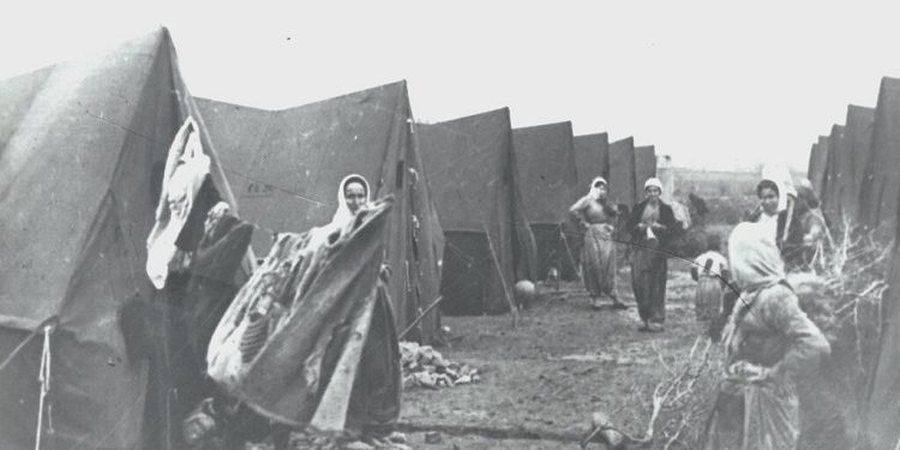
The Balkans and Albania as an integral part of it, have a history full of zig-zags and intertwining. The massive movements and displacements of their populations from one place to another are also a part of it; a piece of this history are also the Arvanites of Greece or otherwise the Arbëresh of Greece, and on the other hand the Greeks or minorities, as we know them differently in Albania. Regarding these former, we know (at least after the nineties), also some prominent figures such as the president of the Arvanites of Greece, the prominent scholar Aristidh Kola and his tragic fate.
But our attention was drawn to a material in German by a genuine researcher of the issues of our region and who has proven and is recommended as a good and impartial expert on the problems of these regions (Dr. Konrad Clewing) on the Albanians and Albanian-speakers of Greece, and also on the Greeks of Albania. He tries to present objectively and in a concise manner their history and situation on both sides of the border.
We will try to stick to the main issues that the German professor has addressed by referring to the essence and the message that he wanted to leave in this study. The material, to be more precise, is taken from the magazine "Pogrom-threatened peoples", no. 2/2001, authored by Dr. Konrad Clewing, specialist in Albanian affairs at the Institute for Southeast Europe in Munich.
Let us see further what the German professor concludes in his study. The parts of the Albanian-speaking population in Greece, divided according to history, language and national consciousness, do not constitute a unique grouping. For this reason, their designation in Greek as “arvanitas” is somewhat irritating to them. International science defines them as arvanitas, as the only members of the community of descendants of immigrants from the areas of Southern Albania.
The first and significant wave of their emigration occurred at the invitation of local princes and lords, starting from the 13th century, then with the 14th century and continuing until the 15th century. Since then, the Arvanites settled in about 300 places and areas in southern Greece; thus they settled in Botia, in the east, bordered by Attica (the suburbs of Athens), in some of the Aegean islands (among others in Euboea, Hydra) and in the Peloponnese.
The tendency of assimilation of "arbëror"
At first they preferred to be described by an ethnonym, a name common to all, and to be called “Arbërorë”. The language is also called the one derived from this word, “Arbërisht”. Over time, most of them adapted to the Greek definition to determine their linguistic origin, that is (Arvanitika-Arbërisht). The number of Arvanites, according to the criteria of linguistic use or self-determination, according to conscience, today is 150,000-200,000 people.
However, “Arvanitika” or “Arbërishtë” is not only parceled into dialects in a very strong way, but also its speakers (carriers), meanwhile they are all bilingual and with a growing tendency to lose it definitively in the following generations. The fact that the Arvanite culture has been completely rural has influenced the linguistic assimilation. Like Greek society in general, they have long been orienting themselves towards urban areas, referring to or rather, moving away from the “Arvanite-Greek” model of life.
Urbanization, migration and social movement have contributed to the continuous loss of their language and dialect and, with it, the change or loss of identity. Even Arvanites who are aware of their origin now see themselves as half Greek and half Arvanite, that is, there is no political-ethnic identity. The other, more nationalistic Greek part propagates that you can be both Greek and Arvanite at the same time.
The neglect of the Arvanite language and its culture, as well as the disregard for centuries and decades in all aspects, by all state and religious institutions, that is, by the Greek church (to which the Arvanites themselves belong) of this ethno-linguistic grouping, shows that in essence the "agreement" will be accepted as long as the remaining Arvanite language is understood as a transitional phase towards complete assimilation by the Greek-speaking world. This and the hostile environment towards Albanians in Greece after the '90s, has led to the fact that Arvanite clubs and groups are now more oriented towards the idea of "Albanianism". Arvanite clubs and groups were created in the late 70s.
The awakening of Albanian ethnic consciousness
A second, smaller group of Albanian speakers are the inhabitants of several areas and villages in the border area between Greece, Bulgaria and Turkey, or, to put it another way, Thrace. They are the last remnants of a major population displacement during the years 1922-23, who were mostly concentrated in this border triangle, and whose speech resembles that of the groups of newcomers in the 16th century.
Nga fillimi i shekullit XX-të, këtu erdhën edhe disa përfaqësues të lëvizjes kombëtare shqiptare, ndërsa sot në pjesën greke të saj gjithsesi, është ruajtur gjuha shqipe ndër të rinjtë; në ndërgjegje te të qenurit “arvanitas”, por edhe grekë. Një grupim i tretë shqipfolës sot ka mbetur vetëm i pjesshëm: këta janë çamët (greqisht, tsamides) në një zonë të thepisur e në kufi me Shqipërinë, në veri të Greqisë, që zgjatet deri në brigjet e Epirit.
Ndryshe nga dy grupimet e tjera, ata si historikisht, ashtu edhe në aspektin gjuhësor, janë pjesë e një zone të mbyllur e kompakte shqipfolëse; kishin, domethënë kanë, një ndërgjegje etnike kombëtare shqiptare. Për shembull, tek ata shqipja quhet po si në Shqipëri, pra shqipe. Kur u krijua minoriteti dy pjesët e tyre, gjysma myslimane e gjysma ortodokse, nëpërmjet vendosjes së kufijve në vitin 1913, pjesa myslimane në mënyrë zyrtare u përjashtua nga këmbimi midis popullsive turke e greke, por, në fakt, kjo popullsi myslimane u diskriminua.
Si pasojë e bashkëpunimit të pretenduar me forcat italiane e ato gjermane, dhe me vendosjen e nëpunësve shqiptarë në zonat e pushtuara gjatë Luftës së Dytë Botërore, atëherë rreth 20.000 shqiptarët myslimanë, të mbetur në vitin 1944, u përzunë në mënyrë masive nga trupat greke drejt Shqipërisë. Çamët e mbetur të krishterë nuk njihen si të tillë nga legjislacioni e Kushtetuta greke. Ata janë shumë pak të studiuar, por duken të kenë një ndërgjegje gjithnjë e më shumë kombëtare dhe e zotërojnë gjuhën e tyre; qëndrojnë nën një presion të madh e të vazhdueshëm nga ana e shtetit grek.
Por, ata nuk arrijnë të shpallen zyrtarisht. Në përgjithësi, shteti grek nuk i ka mbështetur studimet për grupimet shqipfolëse e nuk i ka njohur ata, porse e ka pranuar identitetin e tyre të veçantë kulturor. Në disa zona çame myslimane, vetëm nga viti 1936 deri më 1939 janë bërë disa përpjekje “me gjysmë zemre”: të ofrohej mësimi në gjuhën amtare. Deri më sot Greqia, pra, për shkak të politikës së saj të mangët ndaj minoriteteve, nuk ka kontribuuar në tejkalimin e problemeve e mirëkuptimin në juglindje të Evropës.
Ana tjetër e medaljes: Minoriteti grek në Shqipëri
Minoriteti grek në Shqipëri, dhe ai shqiptar në veri-perëndim të Greqisë, studiohen në përgjithësi duke u nisur nga ngjyrimet nacionaliste. Në fakt, të dyja grupimet e këtyre minoriteteve janë pasojë e të njëjtit fenomen: në vazhdën e luftërave ballkanike të viteve 1912-’13, u vendosën kufij të rinj në zonat që deri atëherë ndodheshin nën zotërimin e Perandorisë Osmane. Prej këtej lindi një grup minoritar grek në jug të Shqipërisë, të cilët sot shtrihen në një zonë relativisht kompakte (në jug të Gjirokastrës), pjesërisht të përzier me popullsinë shqiptare (në zonat fqinje bregdetare të qytetit të Sarandës).
Nëpërmjet migrimit të brendshëm, me kohë minoritarët grekë erdhën edhe në qytetin e Gjirokastrës, qytete të tjera e kryeqytet. Këtu duhet të kemi parasysh se bëhet fjalë në përgjithësi për pjesëtarë të minoritetit me një shkallë mbi mesataren e arsimimit, të cilët janë shumë të rëndësishëm për përfaqësimin e interesave të tyre.
Madje, edhe në kohën e regjimit komunist në Shqipëri zonat minoritare ishin të përcaktuara qartë. Ato përmblidhnin, përjashto Himarën, të gjithë rajonin e minoritetit greqishtfolës. Mbrojtja e minoritetit asokohe kufizohej gjithsesi vetëm në ruajtjen rudimentare të gjuhës amtare e arsimimit të tyre. Shkolla të niveleve më të larta për mësimdhënie në gjuhën greke, u ngritën vetëm pas viteve nëntëdhjetë.
“Loja” greke me shifrat
Por sa grekë ka në Shqipëri? Përgjatë periudhës midis dy luftërave botërore, numërohet numri më i madh i tyre, numër i dalë nga arkivat e Organizatës së Lidhjes së Kombeve. Kjo shifër varion nga 35.000-40.000 grekë. Regjistrimi i fundit i popullsisë në Shqipëri në kohën e monizmit, ai i vitit 1989, nxori një numër prej 58.758 grekësh, ndërsa qeveria greke, gjithsesi, nuk ka një shifër të saktë që e pretendon, por numri që shpesh pretendohet publikisht në shoqërinë greke e media, është 300.000-350 000 grekë minoritarë në Shqipëri. Të dyja statistikat janë shprehje e mendimit etnopolitik.
Sipas rezultateve zgjedhore të vitit 1992, sidomos të Partisë së të Drejtave të Njeriut, asokohe Omonia, numri (ende para se të ndodhte vala e madhe e emigracionit dhe largimit masiv të shqiptarëve, për shkaqe ekonomike, drejt Greqisë) përcaktohet si më e sigurta në 100.000-120.000 veta. Regjistrimi i numrit prej 300.000-350.000 përfshin aty edhe një pjesë të madhe të shqiptarëve ortodoksë e, të komunitetit apo minoritetit arumun.
Ky nocion, pothuajse ekspansiv, përdoret edhe nga përfaqësuesit politikë të minoritetit grek në Shqipëri, duke kontribuar thelbësisht në shqetësimin e shqiptarëve për rritjen artificiale të minoritetit grek atje dhe ndikimin në marrëdhëniet me Greqinë. Pasojat e mundshme të gjithë kësaj janë polarizime etnonacionale, si në zgjedhjet lokale në komunat e zonës së Himarës, në vjeshtën e vitit 2000. Është për të ardhur keq, ndërkohë, që organizatat e minoritetit grek në Shqipëri, bënë thirrje për bojkot të regjistrimit të popullsisë në prill 2001. Debati mbi përcaktimin përfundimtar të numrit të minoritetit është edhe për vetë pjesëtarët e përfaqësuesit e tij: një nga barrat e sfidat më të rënda.
Teodoros Pangallos: Gjuha arvanitase nuk duhet zhdukur!
After 17 years of studies, research and travels through the regions of Epirus, Florina, Konica, Thrace, Corinth, Attica and Viotia, where the Arbëror (Arvanitas) live and their song is sung in Greece, the writer, musician and singer Thanasi Moraiti has brought an anthology of great scientific, historical, linguistic and musical value, which contains over 140 musical materials written with texts transcribed in Greek and translated into Albanian. At this presentation in early 2003, the Greek politician Teodor Pangallos also spoke, who, among other things, said that; “For us who were born in a house where our grandmother spoke 'Arvanitika', this language, which is not like what we hear some 'karafila' say, Greek with some other words, but is Albanian, the pure Albanian of the 14th century”.
This is also confirmed by today's Albanian immigrants who are in Mesologija and who tell us: "You speak old Albanian". This is very logical from a linguistic point of view, since the language of the Albanians, who settled here in the 14th century, saw their language evolve into Greek, and what came to our days was the old Albanian idiom. For us, the loss of the Arvanite language is like losing our homeland, because it contains a culture not under conditions of oppression, because no one in Greece could oppress the Arvanites: they led Greece, were generals, prime ministers, presidents and owners of the capital, but they themselves 'swallowed' their past, because they were fanatically convinced that they were Greek.
With the help of teachers, they managed to eradicate the Arvanite language, which no one speaks today, at least from my age and below. Now, thank God, we still have a few grandparents left who speak it. However, it is a shame that this language is being lost, and I believe that the work that Thanasis Moraiti has done helps prevent Arvanitia from being a lost homeland. The language, culture, customs, and traditions must come to light, because otherwise, if it remains in the dark, it will truly be a lost homeland. " "Don't think that you can eradicate the Arvanites. Greece without the Arvanites and the Arvanites without Greece is not possible," said Aristidh Kola.
Disc with Arvanite songs
In the last 15 years, thanks to the will and ambition of Arvanite scholars Aristidh Kola, Dhimitri Leka and singer Thanasi Moraiti, it has been possible to produce the first two CDs with Arvanite songs entitled "Arvanite Songs" and "Rose of the Mountain", which are a compilation of several Arbanite songs from Southern Italy and the Arvanites of Greece. These two CDs are the only ones produced in the Albanian language in the history of the entire country. / Memorie.al


Lini një Përgjigje