


 Shkruar nga Pamfleti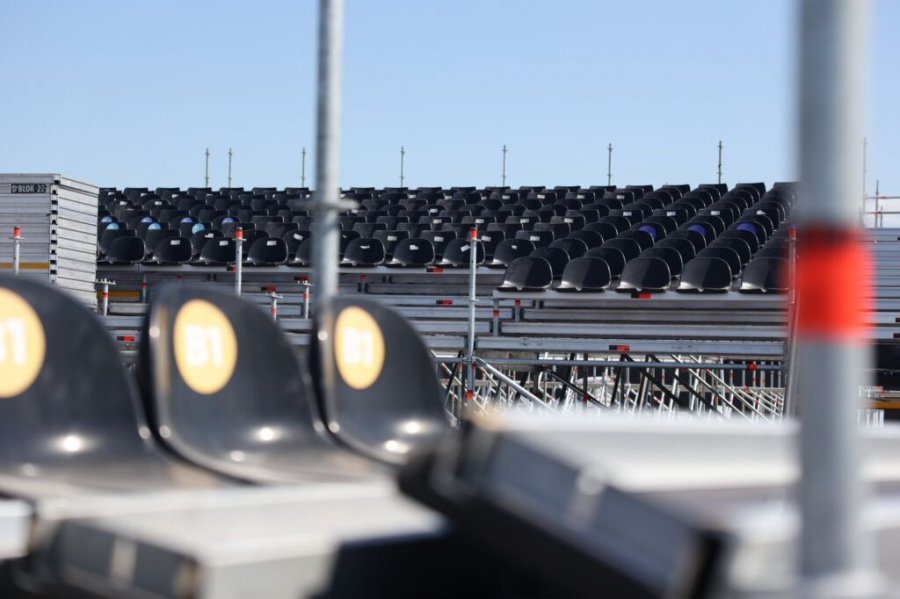
The government is providing 4 million euros for an event that is expected to directly generate no more than 20 million euros, while the effect on the image remains immeasurable, which could actually be negative if the country does not pass the infrastructure and traffic test, which is congested even on normal days, not during the day of the concert.
The highly publicized concert of the internationally renowned artist Kanye West failed to attract the expected interest at first. As Albania attempted for the first time to organize a concert of international proportions, with 60 thousand people, despite the problems it might have with the infrastructure, it really faltered on two points: First, the lack of purchasing power from the domestic market, with tickets that fluctuated from 120-330 euros; Second, the low interest from foreign tourists, who do not know Albania as an event organization market and were hesitant to come. Their low interest is also visible on the booking platform, where there are still many free accommodation places at prices of 40-50 euros per night, on the dates of the concert, unlike the final of the UEFA Europa Conference League Final 2022, at the "Air Albania" stadium, in May 2022, between AS Roma and Feyenoord, where the accommodation market reacted immediately and prices initially soared to 600 euros per night, reflecting the high demand. Earlier, Wizz Air also confirmed to Monitor that they had not noticed any demand beyond normal for flights around the dates of the concert. The greatest interest has been from countries in the region, according to hotel operators.
Since the event was announced, in late May, Monitor raised questions about whether Albania had the capacity to organize a concert of such magnitude, both in terms of logistics, local purchasing power, and tourist interest. Concerts with an audience of over 50,000 people are usually organized in large cities, with stadiums with 60,000 seats and good public infrastructure, metro systems, trains, etc. The organizers admitted that there were difficulties and that this would be a big test.
With just a few days left until the concert, half of the tickets have not been sold, as is evident on the ticketing platform, while the organizers previously announced to Monitor that around 70% of the tickets needed to be sold for the concert to be economically viable.
At this moment comes the intervention of the government, which allocated around 4.2 million euros for the organization of the concert with the argument of promoting tourism.
This amount is 30% of the value that the concert would generate if all tickets were sold (about 14 million euros - 60 thousand times 240 euros, which is the average ticket price). About 7 million euros is the payment that the singer receives, according to the organizers.
Meanwhile, the concert has failed to attract sponsors, according to data from advertising agencies, due to the expensive package of around 250 thousand euros, which is considered high for the small advertising market in the country and the companies' budgets.
Prime Minister Rama reacted today and said that the funds were used “at the last minute” to avoid, according to him, embarrassing the country in front of about 25 thousand visitors from 80 countries, who had previously purchased tickets for the concert. The Prime Minister indirectly admitted that if these funds were not provided, the concert would be canceled, making the government, with taxpayers’ money, the savior of a private event.
These are funds that were removed from the emergency fund, which the budget sets aside for unexpected events, such as fires, earthquakes, floods, etc.
The lack of ticket sales is actually not an unexpected event, but simply an unplanned event, given Albania's capacities and purchasing power.
It is again the usual behavior of mismanagement of an activity to the detriment of public money.
A unique case in the world, where the state saves the concert
Monitor has conducted research to see if there have been such cases in the world, when the government has intervened to save a festival that has not sold tickets. In the international music market, when an artist fails to sell enough tickets, organizers usually lower prices, reduce capacity, move the concert to a smaller hall or cancel the event. In Albania, the opposite is happening: while a large part of the seats for Kanye West's concert in Tirana continue to remain unsold just a few days before the event, the state has been directly involved in its preparations and promotion.
Despite weaker-than-expected sales, the government has treated the concert as a project of strategic importance for tourism and the country's international image. Prime Minister Edi Rama and Minister of Tourism, Culture and Sports, Blendi Gonxhja, personally inspected the works at the stadium, while the official government announcement described the event as an investment with a long-term impact on Albania's economy, tourism and international positioning.
A full bill of the state commitment has not yet been made public, nor has a clear division of costs between the private organizer and public institutions been made public. Minister Gonxha did not previously give a direct answer to “Monitor” whether the government had foreseen co-financing, but presented the concert as part of a broader strategy to attract major international events.
The involvement of authorities in infrastructure, security, traffic management and promotion may be normal for an event with tens of thousands of participants. The question that remains unanswered is whether the intervention is limited to institutional obligations or whether public funds are also being used to cover the commercial costs of a private activity that has not provided the expected income from ticket sales.
Në botë koncertet anulohen, nuk “shpëtohen” nga qeveria
Një kërkim në rastet ndërkombëtare nuk evidenton një precedent të dokumentuar qartë, ku një qeveri të ketë ndërhyrë pas shitjeve të dobëta për të mbuluar humbjet e koncertit privat të një artisti të vetëm.
Rasti më i afërt është ai i produksionit muzikor të Sting, The Last Ship, në Brisbane të Australisë. Qeveria e Queensland-it kishte dhënë mbështetje financiare paraprake për sigurimin e produksionit, si pjesë e një fondi prej 100 milionë dollarësh australianë për eventet e mëdha. Më pas, shitjet rezultuan të dobëta: vetëm 72% e biletave ishin shitur, ndërsa çmimet u ulën nga deri në 500 dollarë australianë në oferta prej 99 dollarësh. Qeveria e kishte mbështetur projektin para fillimit të shitjeve, me pretendimin se ai do të sillte rreth 11 milionë dollarë australianë në ekonominë lokale.
Megjithatë, The Last Ship nuk ishte një koncert i vetëm i Sting, por një produksion teatror me 29 shfaqje. Financimi publik nuk u miratua pasi biletat mbetën pa u shitur, por ishte pjesë e marrëveshjes fillestare për sjelljen e shfaqjes në Brisbane.
Raste të tjera të financimit publik lidhen kryesisht me festivale ose institucione kulturore shtetërore, jo me koncerte private individuale. Kennedy Center në SHBA, për shembull, vazhdoi të merrte financim federal edhe kur shitjet e biletave ranë në 57% dhe më shumë se 50 mijë vende mbetën bosh. Por Kennedy Center është institucion publik kombëtar dhe nuk përbën një precedent të krahasueshëm me financimin e koncertit privat të një artisti.
Në Australi, qeveria kishte financuar edhe Byron Bay Bluesfest, i cili më pas u anulua për shkak të shitjeve të dobëta. Pas anulimit, institucionet publike kërkuan sqarime për rreth 722 mijë dollarë australianë grante të paguara, në vend që të ndërhynin për të mbuluar më tej humbjet.
Çfarë ndodh zakonisht kur nuk shiten biletat
Industria globale e koncerteve po përballet gjatë vitit 2026 me fenomenin e quajtur “Blue Dot Fever”, ose “ethet e pikave blu”. Termi i referohet numrit të madh të vendeve të lira, që në hartat e platformave të biletave shfaqen si pika blu.
Kur shitjet mbeten të ulëta, zgjidhja më e zakonshme është anulimi ose reduktimi i turneut. The Pussycat Dolls anuluan pothuajse të gjithë pjesën amerikano-veriore të turneut, duke deklaruar se kishin bërë një vlerësim të situatës. Edhe Post Malone, Meghan Trainor dhe artistë të tjerë kanë anuluar ose ndryshuar data, ndërsa mediat dhe ekspertët e industrisë i kanë lidhur disa prej këtyre vendimeve me shitjet e dobëta.
Aktori dhe muzikanti Kiefer Sutherland ishte edhe më i drejtpërdrejtë, duke anuluar pjesën amerikane të turneut dhe duke pranuar publikisht se shkaku ishin “shitjet shumë të ulëta të biletave”.
Në raste të tjera, organizatorët ulin çmimet në ditët e fundit; ofrojnë paketa promocionale; mbyllin sektorë të stadiumit; zhvendosin koncertin në një ambient më të vogël; shpërndajnë një pjesë të biletave falas; anulojnë datat që nuk mbulojnë kostot.
The reason is simple: concerts are commercial activities, where the risk is borne by the artist, promoter and organizer. When demand is overestimated, the market corrects the size of the event or cancels it.
An Albanian precedent without financial transparency, even the declared economic effect is greatly inflated
The Albanian government claims that the concert could bring a major economic impact through tourists, hotels, restaurants, transportation and promotion of the country. Minister Gonxha has stated that the event could generate up to 120 million euros in economic turnover, but the full methodology supporting this prediction has not been made public.
According to Monitor's calculations, even assuming that all tickets were sold and each fan would spend 1,100 euros, the maximum effect on the economy would not exceed 70 million euros. This is an exaggerated figure, as many participants may be local and prices for hotels, transportation, and food are cheaper than in other European countries and the US where concerts of this size take place.
If we calculate an average expenditure of 60-70% of the US average of 1000-1100 dollars per person, i.e. around 660-770 euros/person, with the assumption that all tickets will be sold, the direct effect on the Albanian economy would fluctuate at 40-50 million euros. While the number of tickets sold is almost half (the Prime Minister has stated that there are 25 thousand foreigners), the direct effect is not expected to exceed 20 million euros.
So the government gave 4 million euros for an event that is expected to directly generate no more than 20 million euros, while the effect on the image remains immeasurable, which in fact could be negative, if the country does not pass the infrastructure and traffic test, which is congested even on normal days, let alone during the day of the concert.
A positive economic effect cannot be ruled out, especially if tens of thousands of foreign visitors arrive in Tirana and, moreover, if this concert serves as a precedent for other developments of this magnitude. However, assessing the benefit also requires knowing the cost: how much the organizer pays, how much the artist covers, what expenses the institutions are taking on, and whether there is a public financial guarantee for the event.
Without this data, Albania risks creating an unusual precedent: instead of the private concert hall adapting to real market demand, the state mobilizes public resources to maintain it at the planned size.
It cannot yet be said with legal certainty that Albania is the “only country in the world” that has financed a private concert after tickets were not sold, because the financial terms of the agreement are not public. But from internationally documented cases, there is no comparable example where the government has been so openly involved in rescuing and promoting an individual concert, while commercial demand continues to remain below planned capacity./ Monitor


Lini një Përgjigje