


 Shkruar nga Pamfleti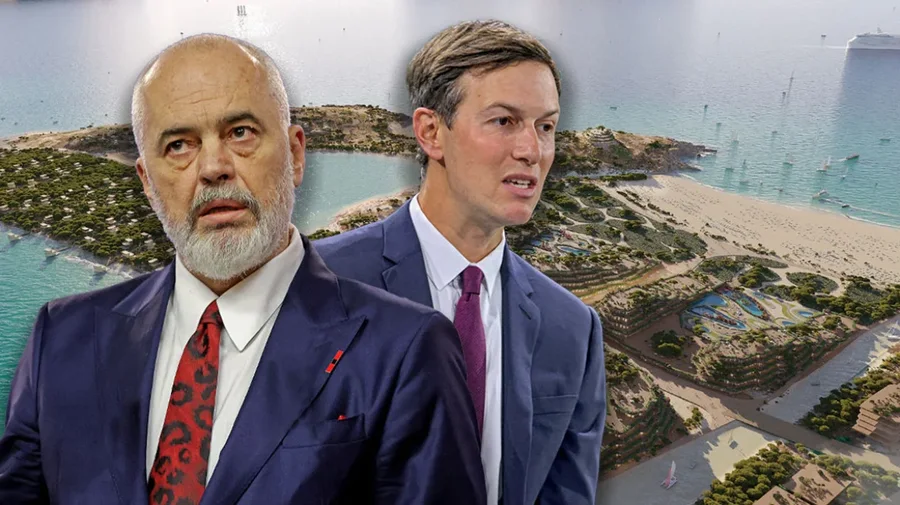
The prestigious magazine "The Economist" has dedicated an article to Albania. It has focused on tourism and the problems faced by some areas. It has also mentioned what happened in Theth, while at the end it mentions Donald Trump's son-in-law, who is the most privileged of Edi Rama...
“The Archers,” a BBC radio soap opera about rural English life, reaches more than 4 million listeners in a typical week. This summer, the eponymous clan was considering a visit to Albania. Until recently, the country was considered tense and dangerous. The Archers’ potential trip reflects Albania’s transformation into a major tourist destination.
Under communism, Albania had about 5,000 tourists a year. Tirana, the capital, had two hotels for foreigners; in restaurants outside the city, the menu might consist of a can of tuna with a green onion. By 2014, however, Albania had about 3.4 million foreign visitors, and last year the official number reached 11 million. But that figure is misleading: many are members of Albania’s global diaspora who hold foreign passports. They visit several times a year and are counted from scratch each time. It is clear, however, that tourism is booming.
Hotels and villa complexes are mushrooming along the coast. A new airport will soon open to serve Vlora, a southern beach destination. Diaspora Albanians may not be classic tourists, but they buy vacation apartments, go to the beach and eat out just like everyone else. Property agencies advertise in Russian. Italians come for cheap dental services. Kosovars now complain that Turkey is cheaper. Overtourism is becoming a concern, as once-small resorts like Saranda and Ksamil are filling up. Hotels, short of qualified staff, are recruiting Filipinos.
The tourism boom is starting to create problems for a scarce resource: water. In principle, Albania has plenty. But after a century of underinvestment, its cities are running out of water. With the boom in coastal construction, pipes are being laid to divert water from inland. Locals there say they already have too little for themselves and their fields; now it is being piped in to fill swimming pools for foreigners.
One high-profile case concerns plans to divert water from the Shushica River in the tourist region of Himara. Much of Shushica is within a national park. Astrit Balilaj, the mayor of the village of Kuç, one of more than 30 protesting settlements, says the river used to have more water; climate change is reducing it.
Olsi Nika, head of EcoAlbania, a campaign group, says that if Shushica loses more water, it will disrupt the region's ecosystem. He also points to tourist restaurants built illegally in the park and oil spills from poorly maintained wells outside it.
Last year, angry villagers in Dukat, south of Vlora, blocked work on a 9 million euro ($10.5 million) project to divert water to luxury seaside developments. In March, villagers in neighboring Tragjas clashed with police over the same project. Edi Rama, Albania’s prime minister, says there is enough water for everyone. That would have been true, says Mr. Nika, if the state had planned for the long term. “The government only looks after its own interests,” says Salibe Daupi, who runs a local restaurant. “They should look after us.”
Restricting tourism could also anger locals. Last week in Theth, a mountain village in the north, protesters threw Molotov cocktails at bulldozers demolishing illegally built rental cabins for mountaineers. Owners said the government had promised to legalize them.
Jared Kushner, Donald Trump’s son-in-law, has had more luck with the Albanian government. Mr. Kushner wants to build a resort on Zvërnec, a pristine stretch of beach between the Adriatic and the Narta lagoon, a haven for flamingos. He also wants to develop Sazan, an island 10km away. Shortly before Mr. Trump’s inauguration, Albania approved initial plans for Mr. Kushner to invest 1.4 billion euros in Sazan. Zvërnec, however, lies in a protected area.
EcoAlbania is fighting the government in court over a new law that would allow luxury developments in these areas. If his plans go ahead, Mr. Kushner will expect the government to find water sources for both. Mr. Nika says the fight against the rich and powerful, who normally thrive in Albania, is depressing. But hope, like water, flows eternally. Unless it is diverted. /Adapted from “Pamphlet” by “The Economist”






Lini një Përgjigje