


 Shkruar nga Arben P. Llalla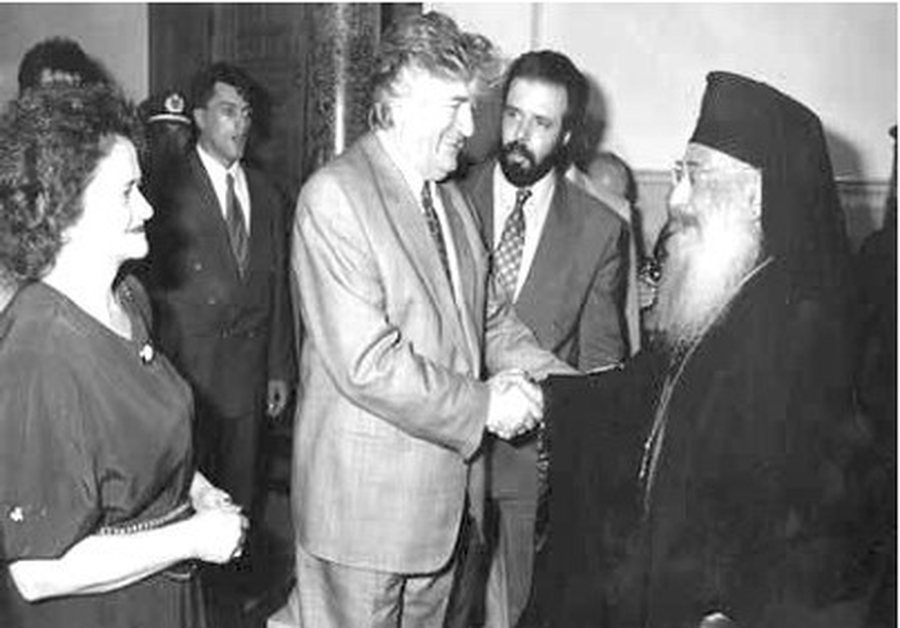
– Greek collaborators, designers and leaders of the genocide in Chameria (1944-1945) The truth of the Cham collaboration with the Germans –
FORWARD
The period I started writing the book was from 2008-2016, collecting materials little by little. I had a very hard time finding the original photographs and some newspapers in Greek, for the years in question. The Greek state with its state structures, for about 70 years, has been feeding the internal and external public with books and writings of lies about what really happened from 1936-1945, regarding the Albanian minority in Chameria-Southern Epirus.
The role of Greek Orthodox clergy in the genocide of 1944-1945 against the Albanian population in Chameria
The Metropolitan of Ioannina, Spyridon Vllehu, was elected Archbishop of Athens and all Greece in 1949, and died in 1956. After being elected in 1949, the Archbishop of Greece, Spyridon Vllehu, installed the Metropolitan of Arta, Serafeim, who had directly participated in the massacres against the Albanian population of Chameria.
From the blood of the Albanians of Chameria, the designers and participants who left the robes of the religious clergy and wore the military uniform of EDES, to cleanse Chameria of Muslim Albanians, in 1944-1945, were rewarded for a high clerical career.
The two participants in the Greek genocide against the Chams, the Metropolitan of Paramythia, Dhorotheos, and the simple priest Seraphim, climbed the ladder of their clerical careers precisely thanks to their participation in the massacres against the defenseless Muslim Albanians of Chameria.
By connecting the historical event, the activities of the two Metropolitans of Southern Epirus-Chameria, that of Ioannina, Spiridon Vllehu and of Paramithi, Filati, Gjiromeri and of Parga, Dhorotheos Naskara, the secret letter of Archbishop Damaskinos through the courier who was wearing that Deacon Seraphim, who would later become Metropolitan and Archbishop, we conclude that the project for the cleansing of Chameria from Muslim Albanians was carried out precisely by the high clergy of the Autocephalous Orthodox Church of Greece, before the execution of 49 Greeks in Paramithi by the Germans took place.
Metropolitans Dhorotheos and Spiridon Vllehu knew the Albanian language because they had lived with Orthodox and Muslim Albanians in Chameria. They had both graduated from the Halki School of Theology in Istanbul, and had a hatred for Muslims. The Archbishop of Greece, Spiridon Vllahu, had appeared as the vanguard of the Greek armies during the wars in Ioannina, February 1913, and in Gjirokastra, February 1914.
Mitropoliti i Janinës, Spiridon, më 1940, kishte udhëhequr një mbledhje në Gumenicë, ku u mor vendimi që të internohen të gjithë meshkujt shqiptar të Çamërisë nga mosha 10 vjeç e deri 95. Në prill të 1941, Mitropoliti Spiridon Vllehu ishte në Gjinokastër, për t’ju bërë presion oficerëve grekë, për t’u dorëzuar pa luftë divizionet greke tek gjermanët.
Ngjarja e 29-30 shtatorit 1943, ku u pushkatuan 49 grekë në Paramithi, hedh hije dyshime se Mitropoliti Dhoroseos ka gisht direkt në këtë ngjarje, ndërsa Mitropoliti i Janinës, më vonë Kryepeshkop i Greqisë, Spiridon Vllehu, indirekt. Që nga pushtimi i Greqisë nga ushtria gjermane 1941-1944, asnjë incident apo vrasje nuk kishte ndodhur në Paramidhi, midis banorëve dhe forcave gjermane.
Përse u dërgua Mitropolit i Paramithisë në Prill 1943, Dhorotheos (Dhimitër Naskara), njeriu që u shugurua Dhjak nga Kryepeshkop Damaskino? Përse i dërgoj letër në verë të 1943, Napoleon Zervës, Kryepeshkop Damaskino (Dhimitër Papandreu) me anë të njeriut të besueshëm priftit Serafeim (Visarion Tika), të cilët e kishte pagëzuar ai Dhjak? Çfarë i shkruante në letrën sekrete Kryepeshkopi Damaskino, komandantit të EDES Napoleon Zervës?
Përse pasi dorëzoj letrën Zervës, prifti Serafim veshi rrobat e ushtrisë EDES? Çfarë e shtyu Mitropolitin e Paramithisë, të hiqte petkun e njeriut shpirtëror të besimtarëve orthodoksë dhe të vishte rrobat ushtarake të EDES, kur dihet që gjermanët i mbronin drejtuesit e kishës greke, manastiret me urdhër direkt të Hitlerit?
Përse Mitropoliti i Paramithisë, Dhorotheos, hyri me EDES në Paramithi i veshur ushtarakisht, për të kryer masakrat kundër popullsisë së pambrojtur shqiptare myslimane dhe nuk veshi rrobën e Mitropolitit?!
Në vend që Mitropoliti i Paramithisë, Dhorotheos, të përhapte zërin e Zotit, dashurinë e njeriut për njeriun, paqen midis njerëzve, ai ishte pjesëmarrës direkt i masakrave të ushtrisë EDES ndaj popullsisë myslimane shqiptare të Çamërisë-Epiri i Jugut!
Kisha Autoqefale e Greqisë dhe Patriarkana e Stambollit, gjithnjë kanë luftuar për asimilimin dhe zhdukjen e gjuhës dhe kombit shqiptar. Gjatë periudhës së Perandorisë Otomane, në Vilajetin e Janinës, shumica e drejtuesve të Mitropolitëve ishin me origjinë vllehe, ose orthodoksë nga Azia e Vogël.
Ashtu siç e kemi thënë në ushtrinë EDES që vepronte në Çamëri dhe që gjendeshin gjithnjë pranë Napoleon Zervës, ishin klerikët orthodoks si: Mitropoliti i Paramithisë, Dhorotheos, prifti Serafim që pas lufte do bëhej Mitropolit dhe Kryepeshkop, dhe prifti Spiros Zafeiris, që u vra në janar 1944 nga ELAS.
Historia e ngjarjeve na çon në gjurmët antishqiptare të drejtuesve të lartë të Kishës Autoqefale të Greqisë. Udhërrëfyesi i masakrave kundër shqiptarëve në Çamëri, është Mitropoliti i Paramithisë, Dhorotheos, sepse ishte njohës i mirë i territorit, njihte personalisht të gjithë parinë e Çamërisë dhe e fliste gjuhën shqipe.
Mitropoliti i Paramithisë, Dhorotheos, ishte krahu i djathtë e Zervës dhe e udhëzonte për çdo veprim që duhej të merrte në Çamëri, pasi Napoleon Zerva nuk e njihte territorin, njerëzit. Prifti Serafim, i ardhur në ushtrinë EDES të Zervës me letër të Kryepeshkop Damaskinos, mori pjesë direkt në masakrat kundër çamëve.
Çfarë i lidhte këta katër emrat Damaskinos, Spiridonos, Dhorotheos, Serafim që ndeshim në ngjarjet e vitit 1943-1945, në Çamëri?
a. Mitropoliti i Janinës, Spiridonos (Spiridon Sito Vllehu), që më 1949 u zgjodh kryepeshkop i Greqisë, është njeriu që bëri trysni tek gjeneralët grek në prill 1941, për të nënshkruar aktin e kapitullimit. Mitropoliti Spiridonos, ishte njeri i besueshëm i gjermanëve, ai kishte shfaqur pas nënshkrimit të kapitullimit ambicie për kryeministër të Greqisë.
b. Kryepeshkop Damaskinos (Dhimitër Papandreu), ishte zgjedhur Kryepeshkop i Greqisë në 6 korrik 1941, me ndihmën e qeverisë kuislingë të Çolakoglu dhe gjermanëve nazistë. Ai kishte bekuar qeveritë kuislingë të Gjeorgjio Çolakoglu, Konstandinos Logothetopulos dhe Joani Ralli. Kryepeshkop Damaskinos ishte njeri në shërbim të gjermanëve.
c. Mitropoliti i Paramithisë, Dhorotheos (Dhimitër Naskari), është veshur Dhjak nga Kryepeshkop Damaskinos në Korinthi. Ata njiheshin që në vitin 1929 dhe kishin lidhje të ngushta, Dhimitër Naskarin, emrin Dhorotheos e ka pagëzuar Kryepeshkop Damaskinos.
d. Priftin Serafeim (Visarion Tika) që më vonë do të bëhej Mitropolit i Artës, Janinës dhe Kryepeshkop më 1974, e ka veshur Dhjak, Kryepeshkopi Damaskinos më 1938 duke e pagëzuar me emrin Serafeim.
e. Dhorotheos dhe Serafeim ishin shok të vjetër që nga vitet 1932, kishin jetuar dhe punuar në Korinth afër Mitropolitit Damaskinos që më 1941 u bë Kryepeshkop i Greqisë.
f. Damaskinos, Spiridoni, Dhorotheos dhe Serafimi e dinin gjuhën shqipe, dhe ishin luftëtar për aneksimin e Jugut të Shqipërisë-Autonomia e Veriut të Epirit. Urrenin tej mase myslimanët. Këto janë vërejtur ndër vite gjatë aktiviteteve të tyre.
g. Spiridonos dhe Dhorotheos ishin vlleh, pra ishin me origjinë nga vllehët e Pindit.
Nga të gjitha këto sa parashtruam, ne nxjerrim përfundimin se projektuesit e genocidit grek ndaj popullsisë shqiptare në Çamëri, është Kisha greke, Kryepeshkopi Damaskinos, Mitropoliti i Paramithisë Dhorotheos dhe Mitropoliti i Janinës, Spiridon Vllehu, i cili nga viti 1949-1956, ishte Kryepeshkop i Kishës Autoqefale të Greqisë. Pjesëmarrës në këto maskara është edhe kryepeshkopi i Greqisë Serafim, cili atë periudhë ishte ushtar i EDES të Napoleon Zervës, që vepronte në Çamëri.
Në qershor të 1993, Kryepeshkopi i Greqisë Serafim takoj në Athinë udhëheqësin serb të Bosnjës, Radovan Karaxhiç dhe kur ky u përpoq t’i puthte dorën, kryepeshkopi e shtyu me butësi, duke i thënë:- “Unë duhet të puth këmbët e tua”.
This publicly expressed desire of Archbishop Serafim to kiss the feet of Radovan Karadzic, the man who ordered the massacres against Muslims in Bosnia-Herzegovina, and who is imprisoned at the Hague Tribunal for genocide from 1992-1995, lets us understand that Archbishop Serafim hated Muslims to the utmost, regardless of their nationality. The Greek genocide against the Albanian Muslim population in Chameria was planned and led by the Autocephalous Church of Greece.
Falsifications of history through the manipulation of photographs
That Greeks and Greece are known as great forgers and deceivers, this has been universally confirmed by all the organizations of which it is a member, therefore the Greek state has deep economic and national identity problems. (The famous Greek writer and poet, Nikos Dhimu, in an interview given on June 23, 2009, to the newspaper 'NY TIMES', said: "We spoke Albanian and called ourselves Romaikos…)
History cannot be written by falsifying documents and misrepresenting the photographs that may accompany it. It is unfortunate when you read the books of Greek historians, scholars, and publicists, who offer readers material that they themselves have falsified.
Every Greek historian or scholar who has dealt with the issue of the Albanians of Chameria, for the years 1941-1944, in order to prove the accusations that Greece has raised over the years that the Chams were collaborators of the Italians and Germans, accompanies their books or writings with photographs showing Bosnian Muslims in German SS clothing, where Albanians in the former Yugoslavia are seen in the company of Italian and German officers, or in SS clothing. These miserable writers have offered the broad Greek public unscientific, limited writings, making primitive distortions.
Sometimes a photograph speaks a hundred words to the historian, so through forged photographs we are denouncing Greek historians and scholars, who have been doing unprofessional work for so many years, offering their readers photographs that show the collaborators of the Germans, as if they were Albanians from Chameria, but in reality they are Bosnians and Albanians from the former Yugoslavia, but not Chams, fellow citizens of the Greeks.
There is no real document or photograph that implicates the Albanian population from Chameria, having collaborated with the Germans to the detriment of the Greek people. If the Chams were truly collaborators with the Germans, the first denunciation would have been made by the Jewish people of Ioannina, Grevena, Laris, etc., who were loaded onto trucks escorted by the Greek Security Battalions, to be sent to labor and extermination camps.
At least globally, the Jewish people have thanked the Albanian nation for not handing over any Jews to the Germans during World War II, and this means a lot to those who want to learn the true history of the Albanians of Chameria./ Memorie.al






Lini një Përgjigje