


 Shkruar nga Pamfleti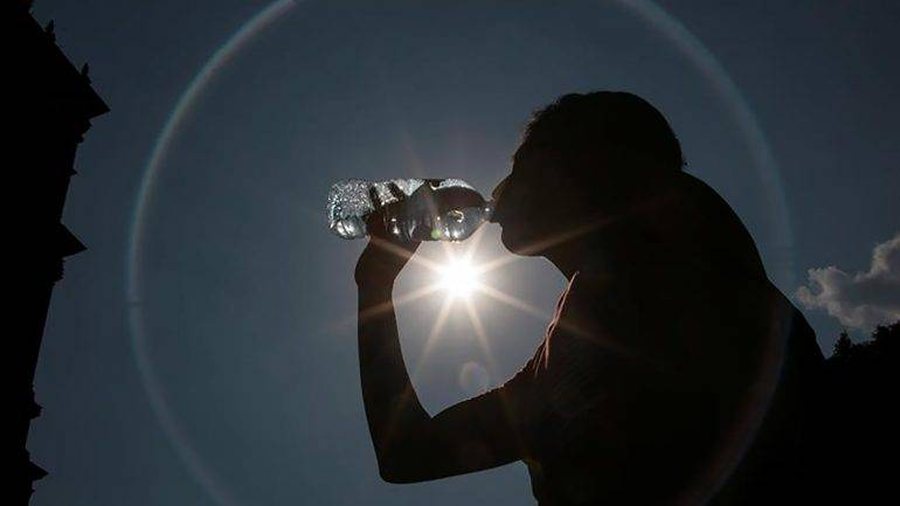
June is ending with temperatures above the monthly average, while meteorological forecasts indicate that the hot weather will continue in the coming months. In these conditions, cardiologists appeal for increased caution, as high temperatures can aggravate the condition of patients with heart disease and highlight undiagnosed health problems.
According to doctors, people suffering from heart failure, coronary artery disease or hypertension should carefully monitor their condition and react immediately if they exhibit unusual symptoms.
"If they have additional complaints, such as general fatigue, dizziness or increased pulse, tachycardia, they should immediately consult a doctor, as these are complaints that make their previous diagnosis difficult. We are always talking about patients suffering from cardiac or coronary artery insufficiency. Even those suffering from hypertension may have a decrease or increase in blood pressure," the cardiologist said.
The specialist recommends that patients stay in cool environments, avoid prolonged exposure to the sun, and adhere to medical treatment.
"Stay in cool environments, but not in drafts, as this can make their diagnosis more difficult. They must be correct with their medications and take frequent measurements of blood pressure, pulse and blood sugar. Pay special attention to their diet, eating foods rich in magnesium and potassium," she emphasized.
Cardiologists also warn that extreme temperatures can reveal hidden diseases in people who have not been previously diagnosed.
"Those who have not been examined, because cardiovascular risk factors are hidden, blood pressure has no signs, fats have no signs... If they are undiagnosed people, such a situation with very high temperatures will highlight the defects that this person has, manifesting with an increased pulse, why not even chest pain," the cardiologist told "Abc News".
According to her, fluid loss from excessive sweating can increase the risk of serious complications.
"Excessive sweating causes water to leak into the blood vessels and elements, which, combined with risk factors, will bring us chest pain, increased blood pressure, and even myocardial infarction," warned cardiology.
Doctors advise citizens to limit movement during peak hours, drink plenty of fluids, and avoid sudden changes in temperature, such as jumping into cold water after a long stay in the sun. According to them, the elderly, people with chronic diseases, and children are most at risk from high temperatures.








Lini një Përgjigje